Older people have fewer seasonal allergies than young people. Here's why
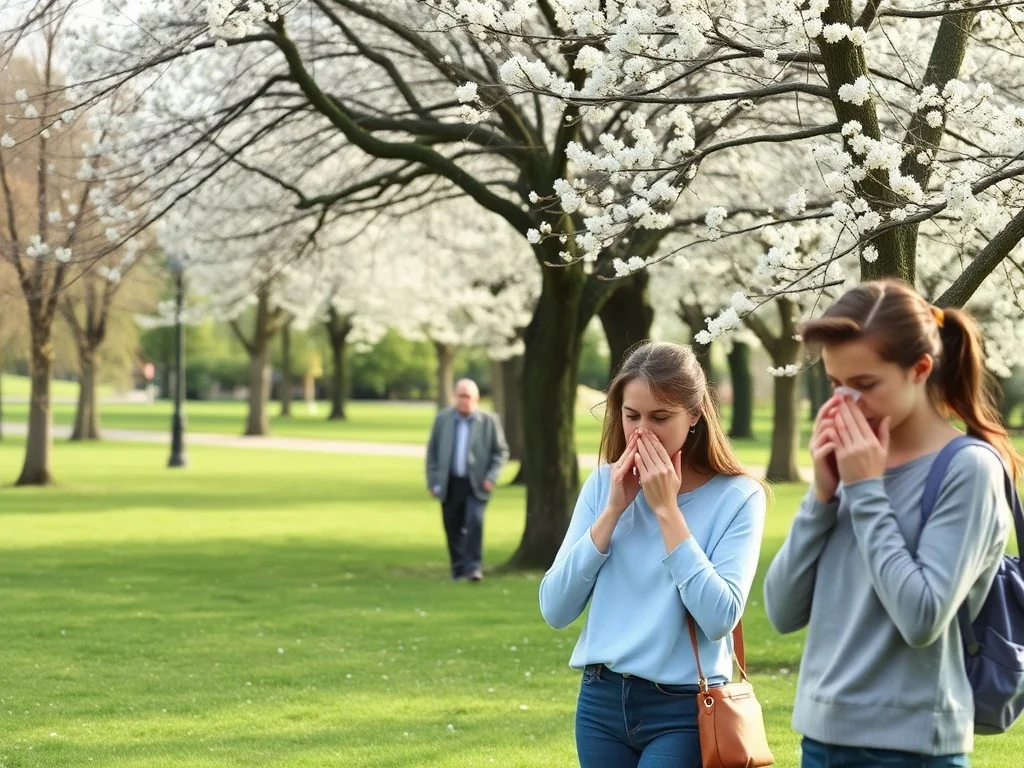
Research shows that older people tend to have fewer seasonal allergies than younger individuals, with about 80 million Americans experiencing diagnosed seasonal allergies each spring. The decline in seasonal allergies among older adults is attributed to a weaker immune response, while younger people are more prone to allergies due to various factors, including increased pollen exposure.
Seasonal allergies affect about 80 million Americans each spring. Older people tend to have fewer seasonal allergies due to a weaker immune response. As people age, their immune systems produce less immunoglobulin E, an allergy-causing antibody. Many older individuals experience symptoms similar to pollen allergies, but these are often caused by other airborne irritants. The rate of seasonal allergies is declining among older adults but increasing in the broader population. This rise is attributed to factors such as longer and more intense pollen seasons, driven by higher levels of carbon dioxide and heat in the atmosphere.
This content was automatically generated and/or translated by AI. It may contain inaccuracies. Please refer to the original sources for verification.