PM2.5 linked to brain damage and dementia, stroke risk rises
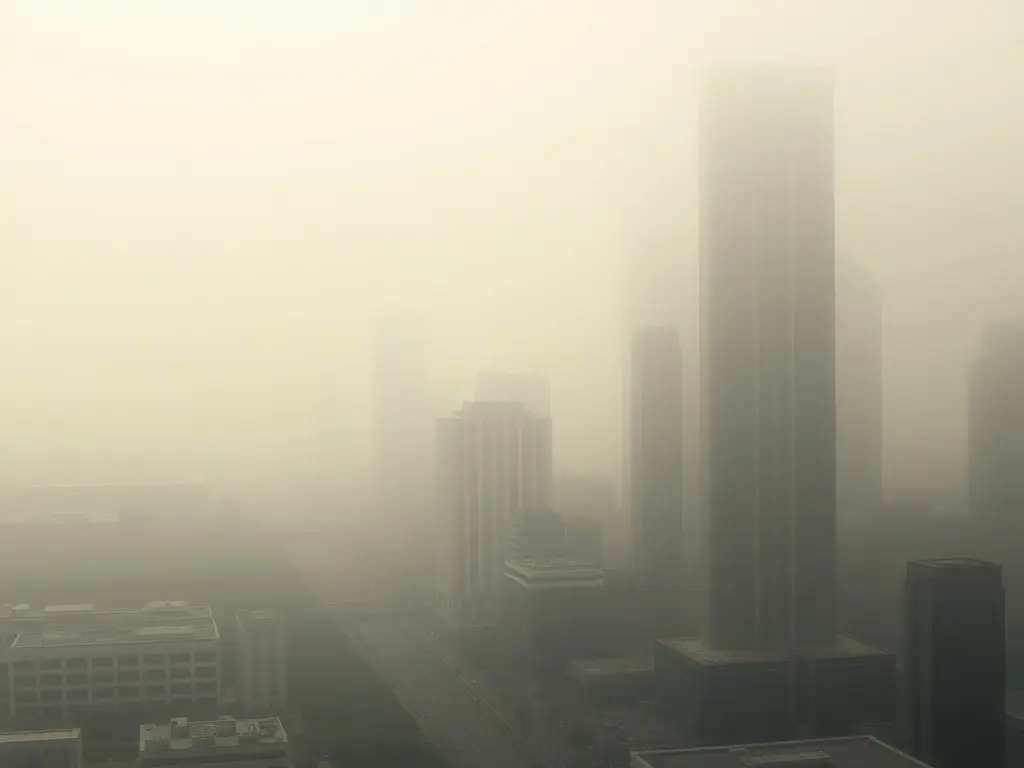
Exposure to PM2.5 is linked to an increased risk of stroke, with every 5 microgram per cubic metre increase raising the risk by 24%, and can cause neurological damage leading to dementia and Alzheimer's disease. Thailand faces an air pollution crisis caused by PM2.5, particularly in major urban centres and industrial areas.
Thailand is facing an air pollution crisis caused by fine particulate matter (PM2.5), which recurs every year. Exposure to PM2.5 is linked to an increased risk of stroke, with a 24% rise in risk for every 5 microgram per cubic metre increase. PM2.5 can cause neurological damage by entering the body and brain, triggering oxidative stress, inflammation, and hardening of blood vessels. The negative effects on the brain can begin in childhood. The pollution is expected to vary across regions, with 17 northern provinces requiring special monitoring between April 23 and 25. PM2.5 affects not only public health but also the country's economy and tourism.
This content was automatically generated and/or translated by AI. It may contain inaccuracies. Please refer to the original sources for verification.