Scientists Create “Neurobots” – Living Machines With Their Own Nervous Systems
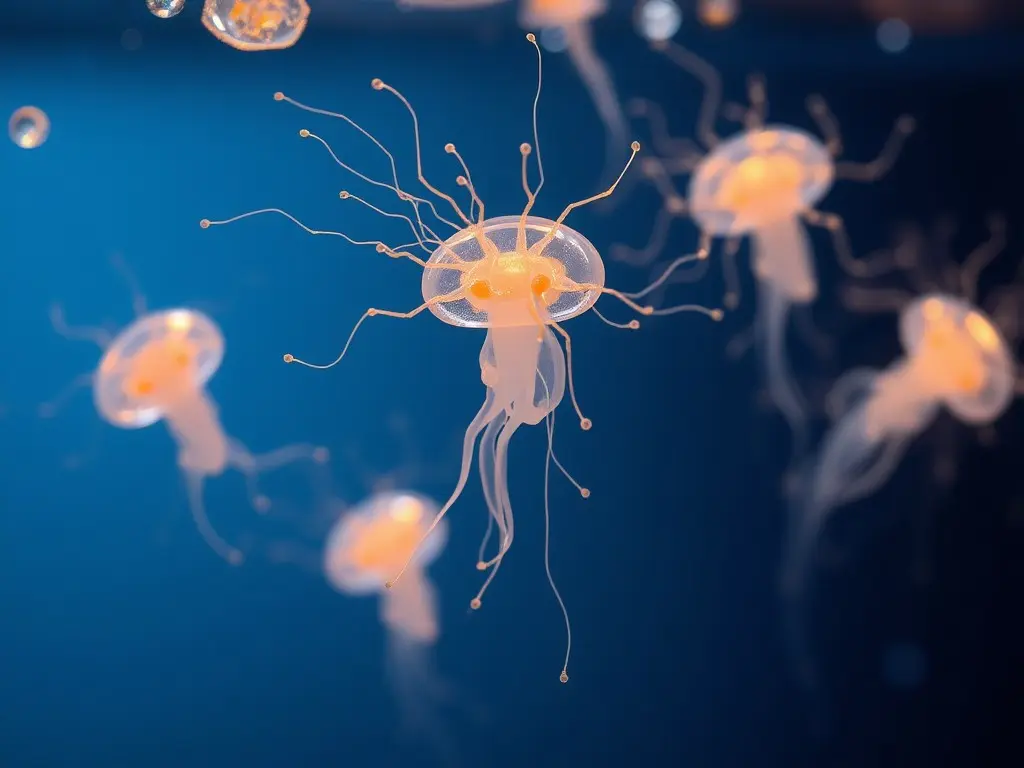
Researchers at Tufts University and the Wyss Institute have developed 'neurobots', living machines with their own nervous systems, by introducing nerve cells into xenobots, tiny living structures made from frog cells. The neurobots display new patterns of movement and offer insights into how biology builds functional structures.
Scientists have created 'neurobots', living machines with their own nervous systems, by introducing nerve cells into xenobots, tiny living structures made from frog cells. The neurobots can take on different shapes and display new patterns of movement. Researchers used cells from African clawed frog embryos to create the xenobots, which naturally assemble into small, round structures. They then inserted clusters of neural precursor cells into the xenobots, which matured into neurons and extended branching structures. The addition of neurons led to noticeable changes in the neurobots' size and movement. The research aims to understand how groups of cells organize themselves into complex structures and could support advances in synthetic biology and regenerative medicine.
This content was automatically generated and/or translated by AI. It may contain inaccuracies. Please refer to the original sources for verification.