We Taught Robots to Move. Now We Are Teaching Them to Live
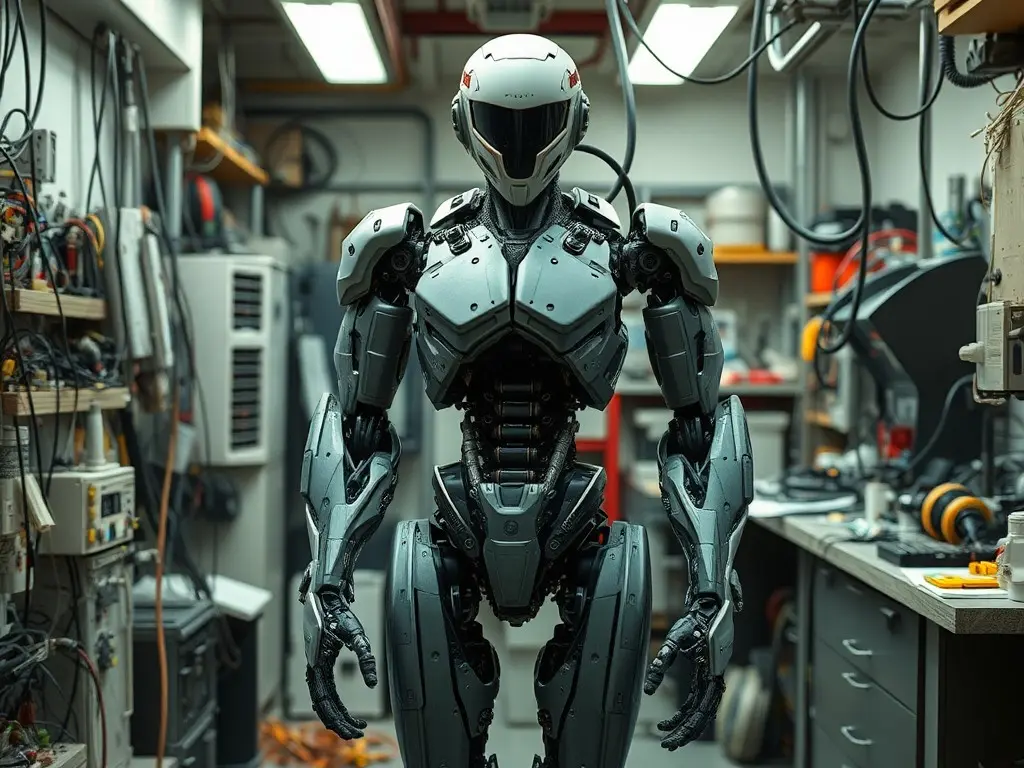
Modern robotics has overcome movement challenges, but enabling robots to 'live' and function in the real world remains a problem. Researchers are now focusing on developing the 'spinal cord' of robots, teaching them to interact with their environment and perform complex tasks.
Modern robotics has reached a point where movement is no longer the main challenge. Machines can navigate, grasp, and operate in space with impressive precision. The key to further development lies in creating a system responsible for basic reactions, behavior, and interaction with the environment, akin to a 'spinal cord'. Robots are initially created as universal platforms and must be adapted to specific tasks and environments. The process involves building the device, installing a base model, and training it using reinforcement learning. The next stage involves integrating sensors to enable more complex actions. Researchers are making progress in teaching robots to 'live' and function in the real world, with potential applications in industrial and hazardous environments.
This content was automatically generated and/or translated by AI. It may contain inaccuracies. Please refer to the original sources for verification.