2026 FIFA World Cup players and fans at risk of extreme heat, climate scientists warn
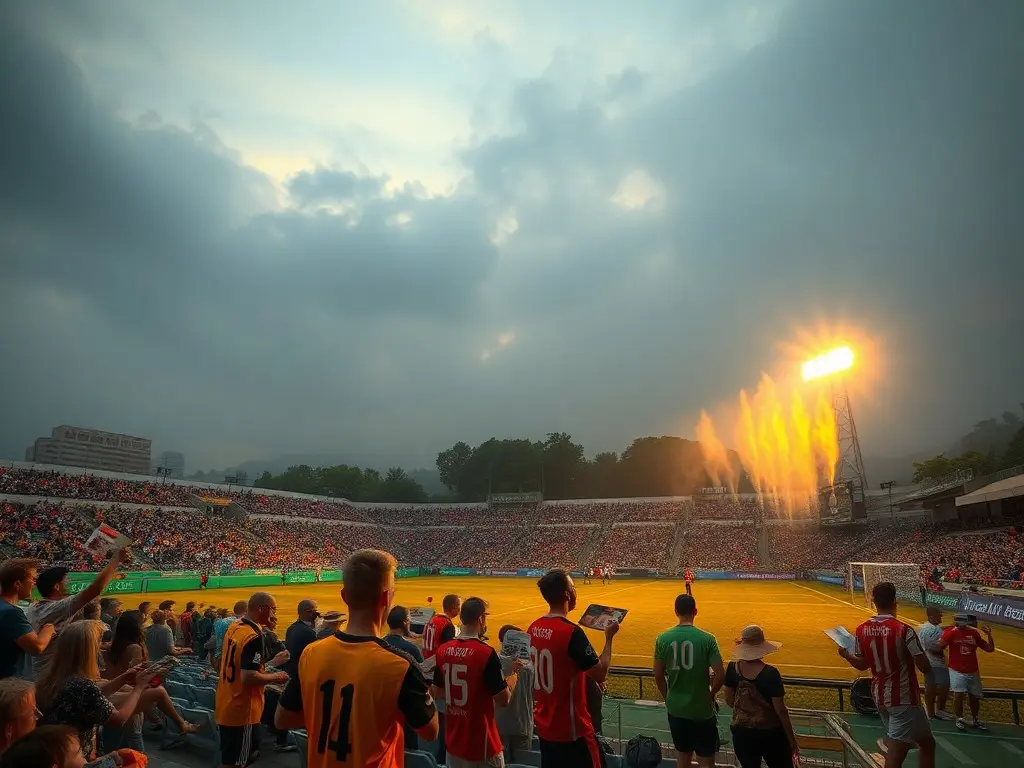
Climate scientists warn that a quarter of the 2026 FIFA World Cup matches in the U.S., Canada, and Mexico could face dangerous heat conditions, exceeding a 26-degree-Celsius wet bulb globe temperature (WBGT) threshold. The study by World Weather Attribution highlights risks for players and fans, urging organizers to implement cooling infrastructure and safety measures like hydration stations and heat breaks for high-risk venues in Miami, Kansas City, and East Rutherford.
Scientists from World Weather Attribution (WWA) have warned that extreme heat could endanger players and fans at the 2026 FIFA World Cup, with one in four matches likely to be played under dangerous conditions. The analysis, based on historical weather data and match timings, predicts that 26 of the 104 games could exceed a wet bulb globe temperature (WBGT) of 26 degrees Celsius, a threshold where cooling measures should be implemented. Five matches may even face WBGT levels of 28 degrees Celsius, prompting FIFPRO to recommend postponements. Six open-air matches in Miami have a near-certain chance of surpassing the 26-degree WBGT threshold, with a 1-in-33 chance of exceeding 28 degrees on July 11 and 18. The highest-risk venues include Miami, Kansas City, and East Rutherford, New Jersey, where the final is scheduled for July 19. The study found a 1-in-8 chance of 26-degree WBGT conditions and a 1-in-37 chance of 28-degree WBGT on that date. The WBGT system accounts for humidity, sun exposure, and wind, providing a more accurate measure of heat risk than air temperature alone. Chris Mullington, a senior lecturer at Imperial College London, emphasized that high humidity, strong sunlight, and low wind elevate danger, even at moderate temperatures. Without proper cooling infrastructure—such as shaded areas, ice towels, and adjusted warm-up schedules—players and fans face health risks, including heat-related injuries. While some host cities, like Dallas and Houston, have air-conditioned stadiums, others lack adequate cooling. The warnings follow a 2025 study predicting four host cities frequently exceed the 28-degree WBGT threshold, and the 2022 Qatar World Cup was moved to winter due to extreme heat. Mullington urged organizers to adopt precautionary measures, including heat breaks and increased medical monitoring, to protect participants during high-risk matches.
This content was automatically generated and/or translated by AI. It may contain inaccuracies. Please refer to the original sources for verification.