289-Million-Year-Old Reptile Mummy Reveals Origin of Human Breathing System
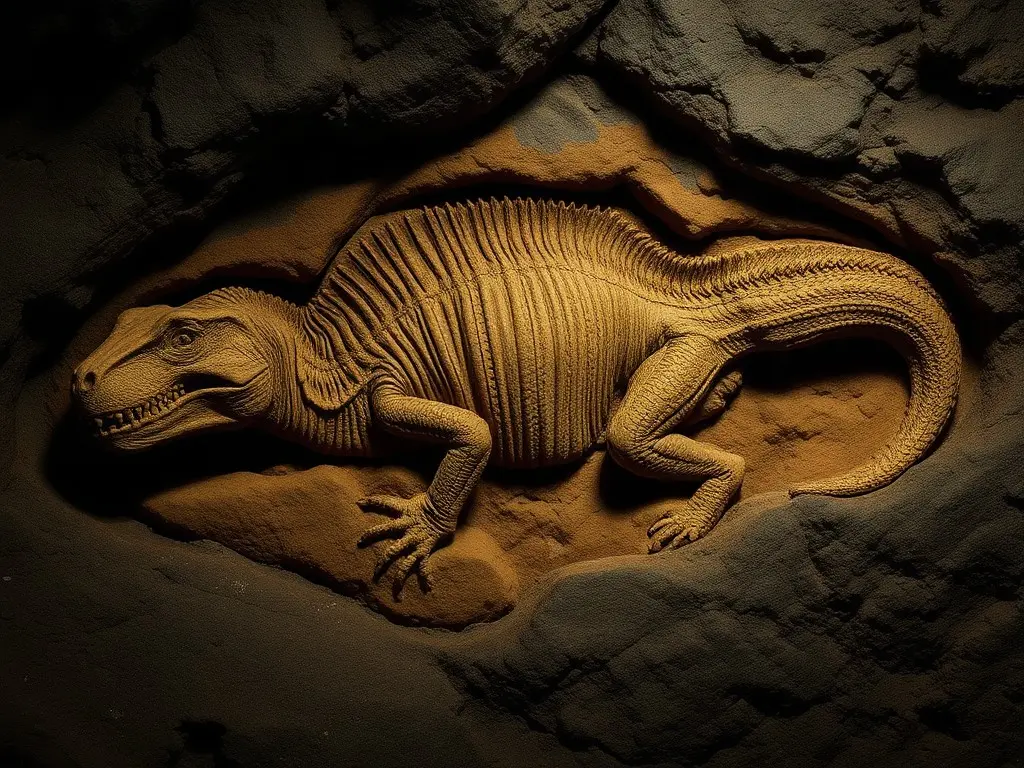
A 289-million-year-old mummified reptile, Captorhinus aguti, found in an Oklahoma cave, reveals the earliest known example of costal aspiration breathing in amniotes. The fossil preserves three-dimensional skin, calcified cartilage, and protein remnants, allowing researchers to reconstruct the animal's breathing system.
A 289-million-year-old reptile fossil, Captorhinus aguti, was discovered in an Oklahoma cave. The mummified specimen preserves skin, cartilage, and proteins, providing insights into the evolution of breathing systems. Researchers used neutron computed tomography to examine the fossil without damaging it. The analysis revealed a costal aspiration breathing system, where muscles between the ribs expand and compress the chest cavity to draw air into the lungs. This system is seen in modern reptiles, birds, and mammals. The discovery was published in a study in Nature, led by researchers from the University of Toronto and Harvard University.
This content was automatically generated and/or translated by AI. It may contain inaccuracies. Please refer to the original sources for verification.