3PLs sharpen their automation skills
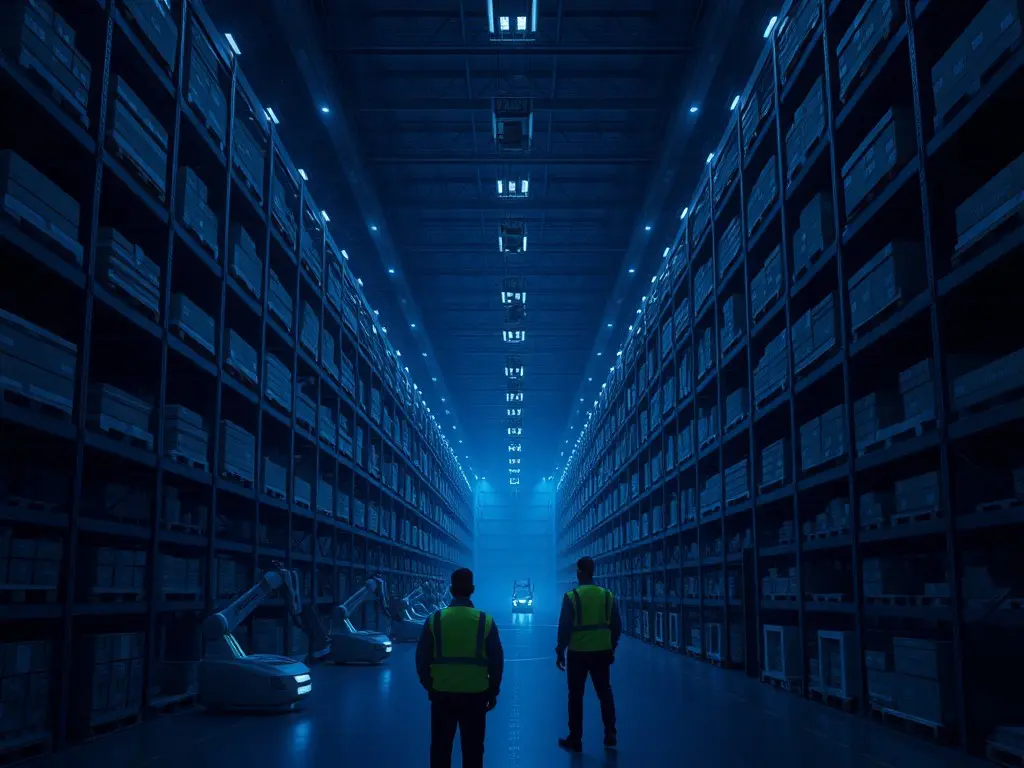
Third-party logistics providers like DHL Supply Chain and DCL Logistics are accelerating automation adoption to address labor shortages and improve efficiency, focusing on low-mix, high-volume fulfillment models. Industry experts highlight the growing accessibility and customizability of automation technologies, which are now delivering faster returns on investment for warehouses.
Third-party logistics providers (3PLs) are increasingly turning to automation to enhance efficiency and cut costs, a trend accelerated by labor shortages exposed during the Covid-19 pandemic. Omer Rashid, vice president of operations development at DHL Supply Chain, notes that affordable, flexible automation solutions are now widely available, enabling providers to integrate intelligent systems like AI-driven analytics and robotics into their operations. DHL Supply Chain is among early adopters leveraging automation to optimize warehouse workflows, while smaller players are adopting proven technologies to achieve strong returns on investment. The focus is on tailoring automation to specific customer needs rather than forcing solutions onto businesses, ensuring scalability and adaptability to shifting demands. California-based DCL Logistics, which serves e-commerce clients in consumer electronics and health and beauty sectors, prioritizes automation for low-mix, high-volume fulfillment. President David Tu explains that 90% of their clients ship small, high-velocity products with limited stock-keeping units (SKUs), making automation easier to justify. Stable inventory slotting, consistent pick paths, and uniform item handling further reduce complexity and improve automation ROI, with DCL targeting payback periods of one to three years. Automated systems at DCL include robotic inventory tracking and packaging solutions, designed for repeatable, high-throughput workflows. Tu emphasizes that high-SKU environments, such as apparel, introduce greater variability, complicating automation adoption. However, for businesses with predictable demand and standardized processes, automation delivers measurable efficiency gains while addressing ongoing labor challenges. The intersection of software, AI, and physical robotics is driving this transformation, with providers now able to embed intelligence into warehouse operations. Rashid predicts this inflection point will yield significant benefits as automation becomes more accessible and customizable, reshaping the logistics industry.
This content was automatically generated and/or translated by AI. It may contain inaccuracies. Please refer to the original sources for verification.