50 years after Soweto, millions of young South Africans still struggle to find work
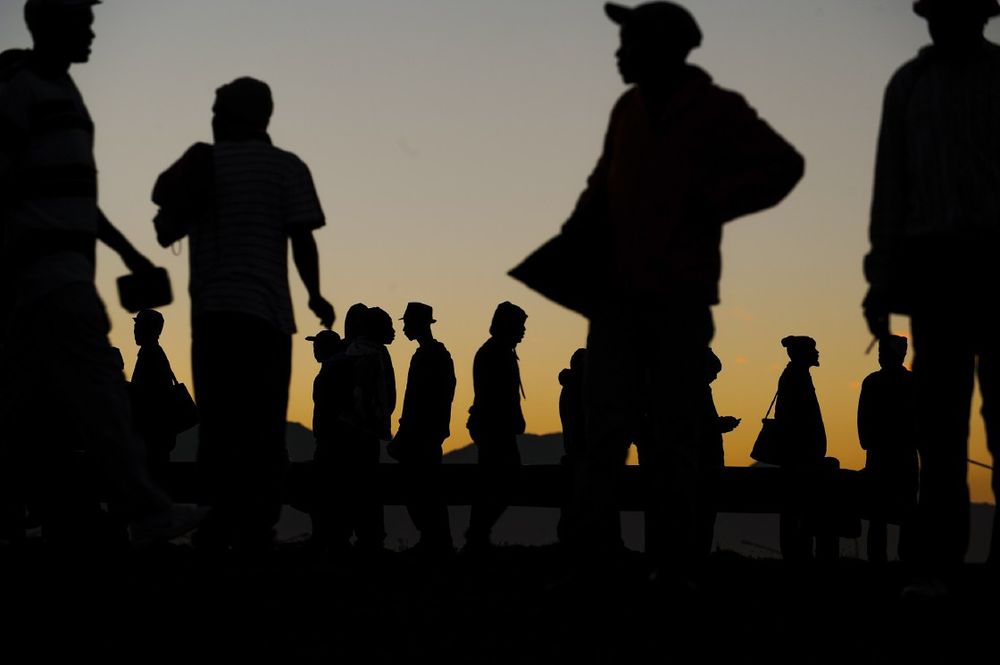
South Africa marks 50 years since the Soweto uprising while facing severe youth unemployment, with rates at 60.9% for ages 15-24 and 40.6% for ages 25-34, despite expanded education access. Challenges like financial barriers, poor school infrastructure, and AI-driven job market shifts persist, leaving millions of young South Africans economically excluded even with qualifications.
South Africa commemorates Youth Day on June 16, marking 50 years since the Soweto uprising, where students protested apartheid-era education policies. Decades later, youth unemployment remains a crisis, with the official rate at 32.7% and youth unemployment (ages 15-24) at 60.9%, according to Statistics South Africa’s first-quarter 2026 Labour Force Survey. Despite progress in school enrollment—nearly all children aged 7-15 attend—completion rates drop sharply due to poverty, poor infrastructure, and financial strain. Education experts highlight systemic failures, including high dropout rates in universities and extended graduation timelines. Only a small fraction of South Africans aged 25-64 hold degrees, with under-resourced schools and weak literacy foundations contributing to attrition. Many students from low-income households struggle to afford tertiary education, while those ineligible for full NSFAS funding face unaffordable tuition costs. The labour market is further strained by AI and automation, reducing entry-level jobs traditionally held by young workers. Employers now prioritize digital literacy and adaptability, widening the skills gap. NSFAS, designed to support disadvantaged students, faces governance failures, delaying funding and worsening administrative challenges. Prof Linda Meyer of Rosebank College emphasized the disconnect: ‘Fifty years after fighting for education, millions of young South Africans are still fighting for a future.’ The mismatch between education access and economic opportunities leaves qualified youth excluded from the workforce, deepening inequality.
This content was automatically generated and/or translated by AI. It may contain inaccuracies. Please refer to the original sources for verification.