5,300-Year-Old Mummy's Yeast Helps Scientists Create a 'Very Good Sourdough
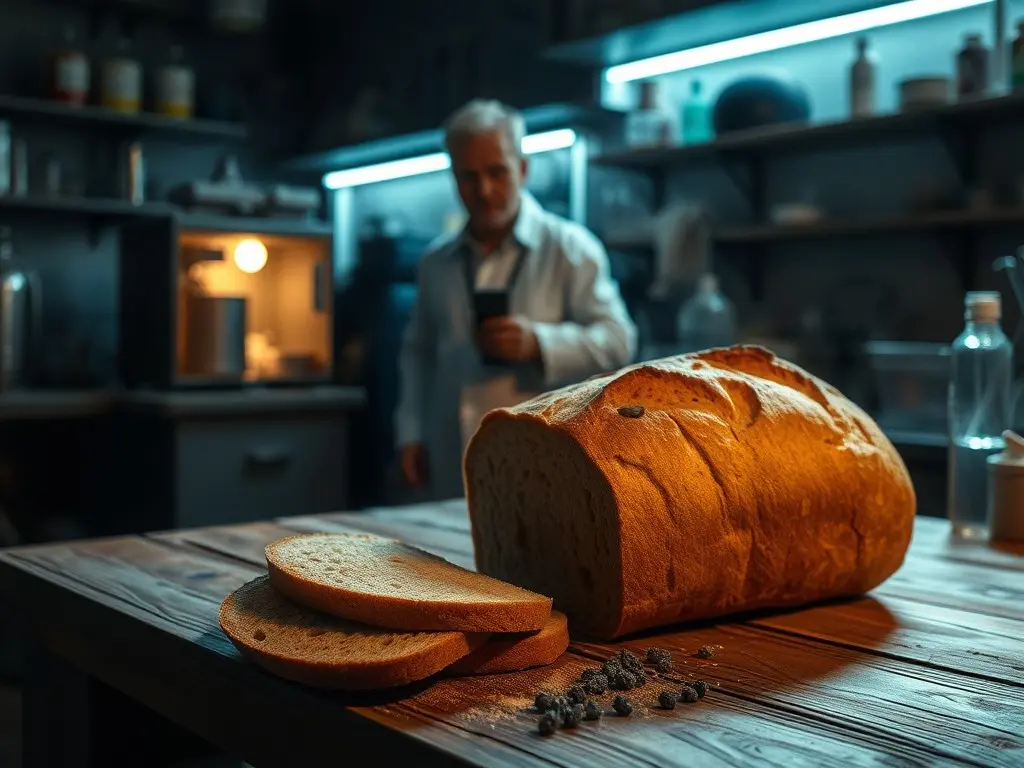
Researchers revived 5,300-year-old yeast from Ötzi the Iceman’s gut and used it to bake sourdough, proving its viability despite extreme age. The discovery raises questions about microbial resilience and the preservation conditions that allowed the yeast to survive in Ötzi’s mummified remains.
Scientists at Eurac Research successfully revived yeast from Ötzi the Iceman’s digestive tract, a naturally preserved mummy dating back over 5,300 years. Using this ancient yeast, they created a sourdough starter and baked a loaf described as 'very good,' demonstrating the microorganism’s remarkable survival. The yeast was initially discovered during analysis of Ötzi’s remains, which were found in Alpine ice. Researchers spent three months refining techniques to culture the yeast before achieving a functional sourdough starter. The experiment highlights how microbial life can persist under extreme conditions, offering insights into prehistoric microbial behavior. Ötzi’s exceptional preservation—due to rapid freezing after death—likely protected the yeast from decay. Cold temperatures slowed decomposition, allowing delicate biological material to remain intact for millennia. Scientists now plan to explore further applications, including brewing beer with the ancient strain. However, some researchers question whether the yeast originated from Ötzi’s lifetime or colonized his remains later. Samples were collected in 2010 and 2019, making it difficult to confirm its exact age. Despite uncertainty, the discovery underscores the potential for ancient microbes to retain viability under ideal conditions. Ötzi the Iceman, discovered in the Italian Alps, remains one of the oldest known natural mummies. His well-preserved body has provided valuable data on prehistoric life, including DNA, stomach contents, and now microbial analysis. The yeast study adds to the growing understanding of how ancient organisms can endure over thousands of years.
This content was automatically generated and/or translated by AI. It may contain inaccuracies. Please refer to the original sources for verification.