60% of Harvard Grades Were A's in 2025. Now the School Is Fighting Grade Inflation.
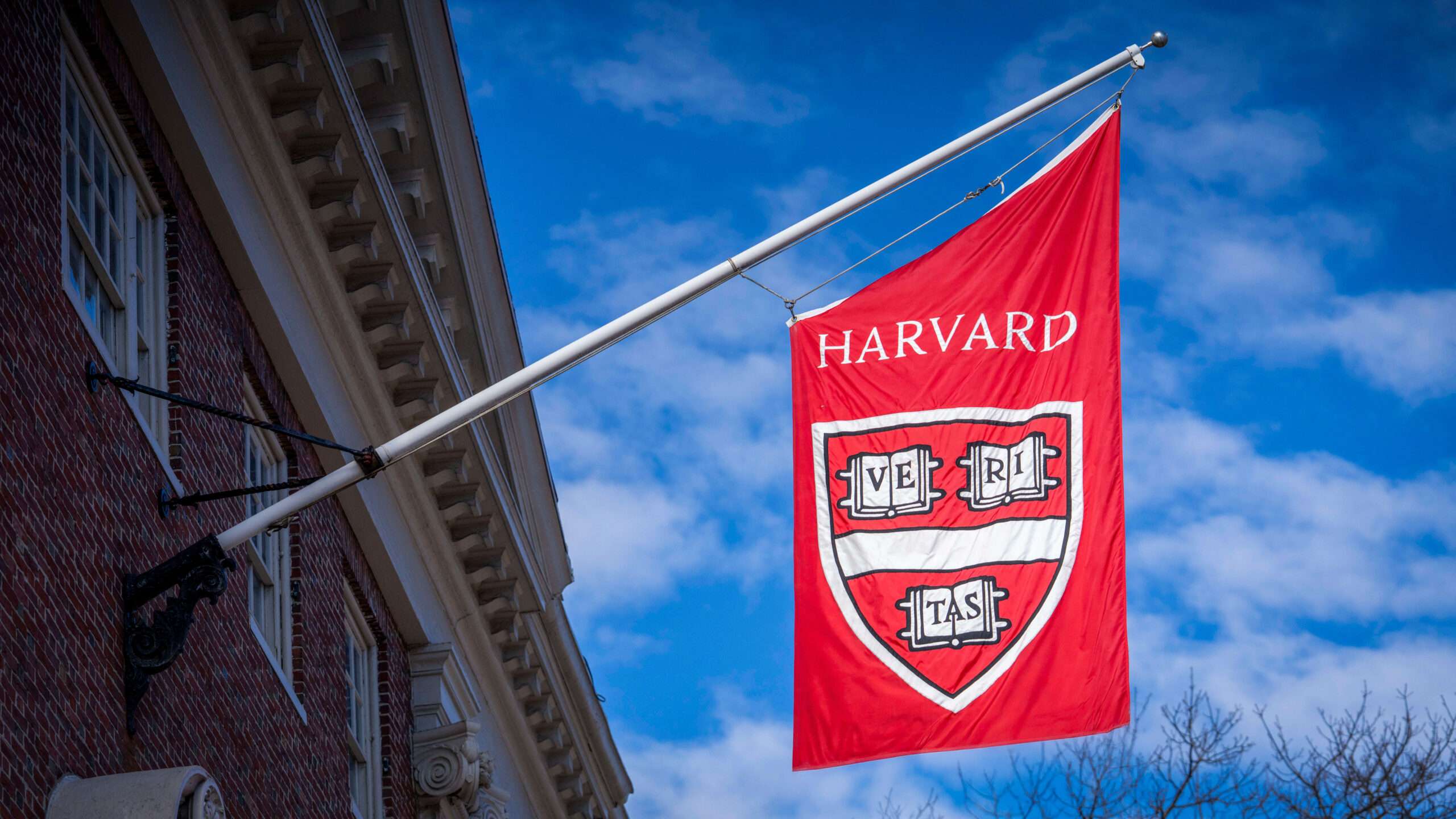
Harvard’s faculty voted to cap A grades at 20% starting in the 2027–2028 academic year after 60.2% of grades were A’s in 2024–2025, citing grade inflation driven by professor reluctance to appear demanding and student pressure. The policy aims to reverse a trend where grades rose alongside relaxed academic expectations, including reduced exam rigor and increased emotional support demands on faculty.
Harvard University’s faculty approved a 20% cap on A grades for the 2027–2028 academic year, following data showing 60.2% of undergraduates received A’s in 2024–2025—more than double the rate from two decades ago. The decision, passed with a 458–201 vote, also allows professors to award four additional A’s per course enrollment. A 2025 report by Harvard’s Office of Undergraduate Education linked grade inflation to professors avoiding perceptions of being overly strict and students becoming more litigious, alongside broader pressures like emotional support demands and reduced exam rigor. The shift toward lower-stakes assignments made grading consistency difficult, according to faculty concerns. Harvard’s administration acknowledged that grade inflation may stem from institutional expectations, including professors providing support for students facing personal challenges like stress or imposter syndrome. Faculty feared administrative pushback but ultimately sought to reverse grading trends that began during remote instruction. Harvard is not alone in addressing grade inflation. Yale’s 2026 report on restoring trust in higher education cited inflated grades as a contributing factor, recommending a 3.0 grade mean or comparable standard to improve reliability. Yale also proposed contextualizing transcripts to help students in rigorous courses avoid penalties. Princeton previously implemented a grade cap in 2004 but abandoned it a decade later amid criticism that it disadvantaged students in job and graduate school competitions, though the issue resurfaced with 66.7% of grades as A-minuses or higher in 2024–2025. Student reactions to Harvard’s policy have been mixed, with some arguing the report misrepresented academic standards. Faculty hope the cap will restore grading fairness while balancing student expectations, though debates over transparency and equity in evaluation methods persist. The move reflects broader concerns about academic rigor in elite institutions amid rising pressure to accommodate diverse student needs.
This content was automatically generated and/or translated by AI. It may contain inaccuracies. Please refer to the original sources for verification.