A 2027 Chevy Bolt RS Owner Found the CarPlay Problem Was Smaller Than the Speaker Problem
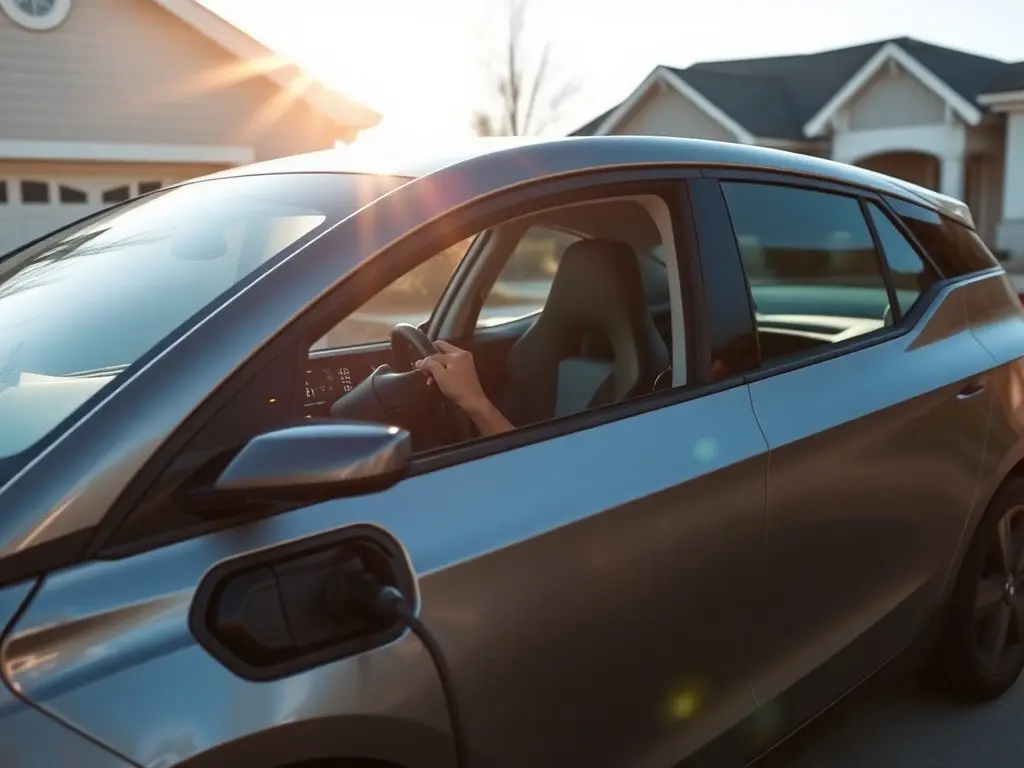
A 2027 Chevrolet Bolt RS owner reported that the car’s lack of Apple CarPlay was less problematic than its sound system, despite the vehicle’s $32,500 price and strong value compared to competitors like the Hyundai Ioniq 5. The new Bolt features 150 kW+ fast charging, a native NACS port, and a starting price under $30,000, addressing prior charging limitations while maintaining affordability and efficiency." "article": "A firsthand owner of the 2027 Chevrolet Bolt RS revealed unexpected priorities after three days of driving: the car’s missing Apple CarPlay was easier to adapt to than its underwhelming sound system. The owner, who purchased the vehicle in Southern California for about $32,500, praised the Bolt’s value, comparing it favorably to the Hyundai Ioniq 5 despite the Ioniq’s faster charging and premium feel. The Bolt’s starting price of $28,995 (including destination) and 262-mile range make it a competitive affordable EV, especially with its new 150 kW+ DC fast charging and native NACS port. The Bolt’s charging speed marks a significant improvement over its predecessor, with owner-reported speeds of 130–131 kW at Tesla Superchargers, though real-world performance depends on factors like preconditioning and ambient temperature. Chevrolet’s decision to omit CarPlay and Android Auto has drawn criticism, but this owner found workarounds like adapters sufficient, focusing instead on the car’s practicality and cost-effectiveness. The Bolt’s interior and tech package, including a sunroof, also received positive feedback, though audio quality emerged as a recurring concern among early adopters. The Bolt’s value proposition remains its strongest asset, offering near-premium features at a fraction of the price of competitors. While the Ioniq 5 and Kia EV6 deliver faster charging and more refined interiors, the Bolt’s affordability and efficiency make it a compelling choice for budget-conscious buyers. Chevrolet’s focus on improving charging infrastructure and battery warranty—along with the Bolt’s proven reliability—appears to resonate with owners prioritizing functionality over luxury. The owner’s experience highlights a broader trend: buyers may tolerate trade-offs like no CarPlay if the core value—low cost, long range, and fast charging—meets their needs. Early reviews suggest the 2027 Bolt addresses past criticisms while reinforcing its role as an accessible electric vehicle. For potential buyers, the takeaway is clear: test the infotainment and audio before committing, but the Bolt’s pricing and performance remain hard to beat.
A firsthand owner of the 2027 Chevrolet Bolt RS revealed unexpected priorities after three days of driving: the car’s missing Apple CarPlay was easier to adapt to than its underwhelming sound system. The owner, who purchased the vehicle in Southern California for about $32,500, praised the Bolt’s value, comparing it favorably to the Hyundai Ioniq 5 despite the Ioniq’s faster charging and premium feel. The Bolt’s starting price of $28,995 (including destination) and 262-mile range make it a competitive affordable EV, especially with its new 150 kW+ DC fast charging and native NACS port. The Bolt’s charging speed marks a significant improvement over its predecessor, with owner-reported speeds of 130–131 kW at Tesla Superchargers, though real-world performance depends on factors like preconditioning and ambient temperature. Chevrolet’s decision to omit CarPlay and Android Auto has drawn criticism, but this owner found workarounds like adapters sufficient, focusing instead on the car’s practicality and cost-effectiveness. The Bolt’s interior and tech package, including a sunroof, also received positive feedback, though audio quality emerged as a recurring concern among early adopters. The Bolt’s value proposition remains its strongest asset, offering near-premium features at a fraction of the price of competitors. While the Ioniq 5 and Kia EV6 deliver faster charging and more refined interiors, the Bolt’s affordability and efficiency make it a compelling choice for budget-conscious buyers. Chevrolet’s focus on improving charging infrastructure and battery warranty—along with the Bolt’s proven reliability—appears to resonate with owners prioritizing functionality over luxury. The owner’s experience highlights a broader trend: buyers may tolerate trade-offs like no CarPlay if the core value—low cost, long range, and fast charging—meets their needs. Early reviews suggest the 2027 Bolt addresses past criticisms while reinforcing its role as an accessible electric vehicle. For potential buyers, the takeaway is clear: test the infotainment and audio before committing, but the Bolt’s pricing and performance remain hard to beat.
This content was automatically generated and/or translated by AI. It may contain inaccuracies. Please refer to the original sources for verification.