A broad-based recovery in Logistics sector in Q1 2026
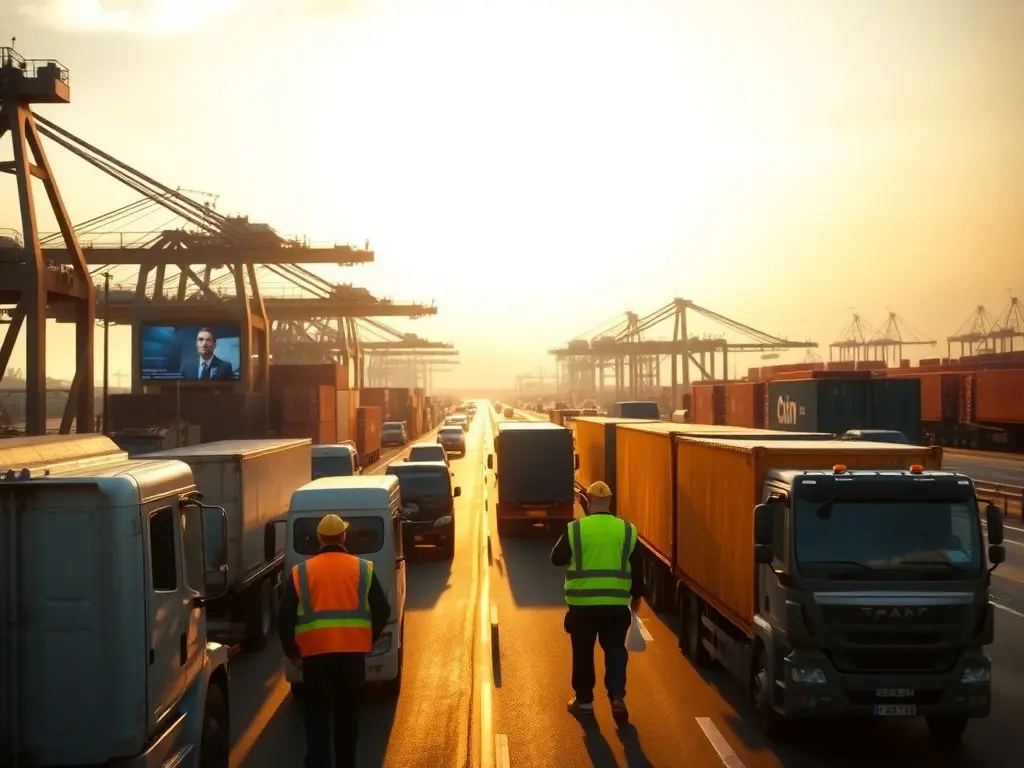
The Ctrack Transport and Freight Index (Ctrack TFI) rose to 125.0 in Q1 2026, marking a 6.2% increase from Q4 2025 and an 8.0% year-on-year gain, driven by economic tailwinds like wage growth and interest rate cuts. However, a fuel price shock on 1 April and the escalating US-Israel vs. Iran conflict threaten to disrupt growth, with the IMF slashing South Africa’s 2026 growth forecast to 1.0% and global growth to 3.1% due to inflation and uncertainty.
South Africa’s logistics sector rebounded strongly in Q1 2026, with the Ctrack Transport and Freight Index (Ctrack TFI) climbing to 125.0—a 6.2% increase from Q4 2025 and an 8.0% rise year-on-year. The recovery was broad-based, with all sub-sectors except air freight showing growth, including previously struggling areas like road freight, pipelines, and storage. Rail and sea freight led the gains, building on momentum from structural reforms such as port efficiency improvements and rail network upgrades. The upturn followed economic tailwinds from 2025, including moderate inflation, real wage increases, interest rate cuts, and a stronger currency. However, these gains were overshadowed by a sudden fuel price shock on 1 April, marking the highest single-month increases ever in South Africa (R3.06/litre for petrol, R7.37/litre for diesel). A temporary R3/litre subsidy eased the blow but cost the government R6 billion monthly in lost tax revenue, with no extension yet confirmed. The escalating war between the US-Israel alliance and Iran further darkened the outlook, prompting the International Monetary Fund (IMF) to downgrade global growth to 3.1% and South Africa’s 2026 growth forecast to just 1.0%. The conflict’s duration remains uncertain, but its ripple effects on fuel costs and inflation are already straining households and businesses, particularly in fuel-dependent logistics. Sea freight emerged as the top performer in Q1 2026, accelerating after a moderate 2025 recovery. Structural reforms in rail and port operations are gradually reducing costs and boosting export potential, though challenges remain. The sector’s resilience in early 2026 contrasts sharply with the immediate threats posed by fuel price hikes and geopolitical tensions, which could reverse recent gains.
This content was automatically generated and/or translated by AI. It may contain inaccuracies. Please refer to the original sources for verification.