A Conversation With Graduate Student Workers on Strike at Harvard
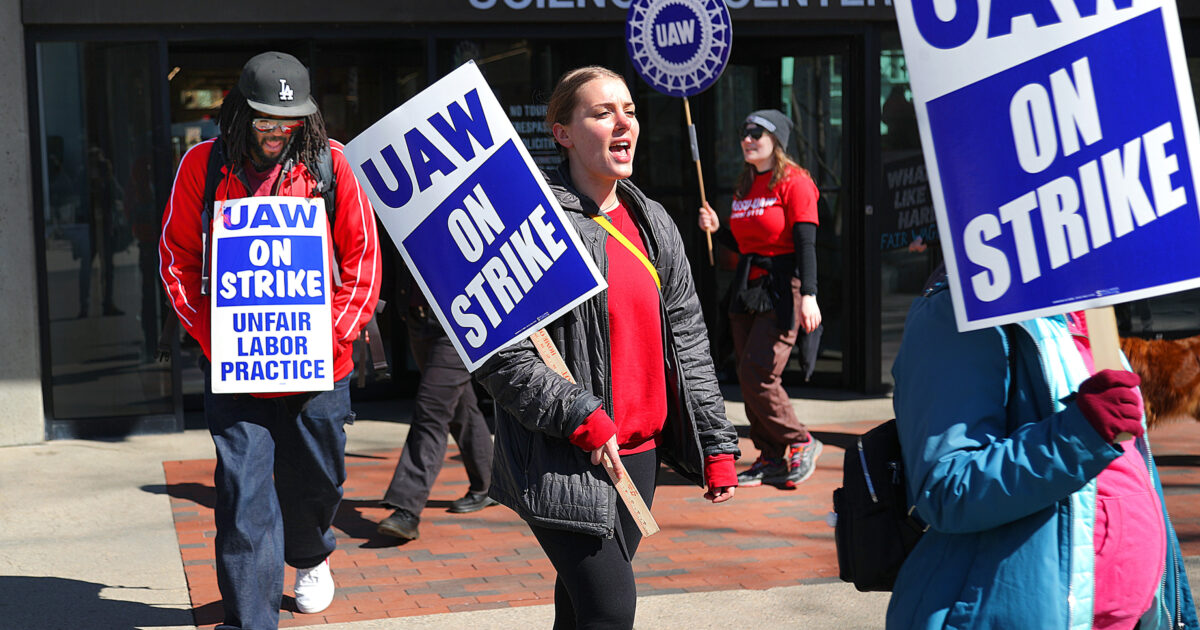
Over 4,000 graduate student workers represented by the Harvard Graduate Students Union (HGSU-UAW Local 5118) launched an indefinite strike on April 21 after 14 months of negotiations, demanding higher pay, harassment protections, and third-party arbitration for grievances. Harvard rejected key demands, including standardized research assistant salaries and a separate arbitration process, citing conflicts with federal regulations and existing university policies.
A strike involving over 4,000 graduate student workers at Harvard University began on April 21 after 14 months of contract negotiations and nearly a year without an active agreement. The Harvard Graduate Students Union (HGSU-UAW Local 5118) authorized the strike following a vote where 96% of eligible members approved the action, citing demands for pay increases to match rising living costs, protections against harassment and discrimination, and equitable distribution of union representation fees. The union has proposed optional third-party arbitration for harassment claims, a standard practice at institutions like NYU, UPenn, MIT, and Stanford. Harvard administration, led by Provost John F. Manning and Executive Vice President Meredith Weenick, rejected these demands, arguing that a separate arbitration process would conflict with federal Title IX regulations and the university’s existing policies. Harvard also defended its proposal of a 10% wage increase for salaried appointments, stating it aligns with recent agreements, while declining to standardize research assistant base salaries. Striking students, including PhD candidate Claire Trawick, shared experiences of retaliation after reporting harassment, highlighting the need for stronger protections. Trawick described how her advisor effectively terminated her advising agreement after she reported sexual harassment in her lab. The strike remains indefinite as negotiations continue, with the union emphasizing the importance of fair labor conditions to support Harvard’s academic mission. Harvard’s response underscores tensions between institutional policies and union demands for workplace accountability. The strike reflects broader labor movements among graduate students across U.S. universities, where similar disputes over wages, job security, and academic freedom persist. The outcome of these negotiations could set a precedent for future labor agreements in higher education.
This content was automatically generated and/or translated by AI. It may contain inaccuracies. Please refer to the original sources for verification.