A New Enbridge Pipeline Spurs Opposition in Central North Carolina
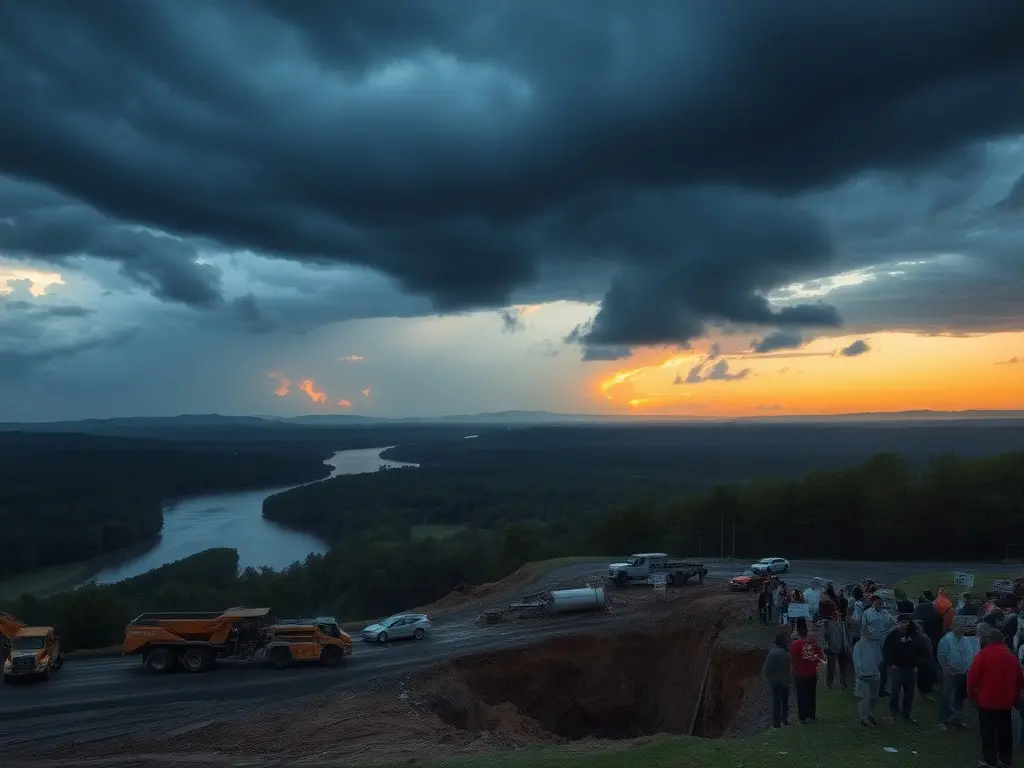
Enbridge announced plans to build a 28-mile natural gas pipeline through Chatham County, North Carolina, sparking opposition from local landowners like John Alderman, who argues it conflicts with climate efforts. The project, slated to begin construction in fall 2027, requires state and federal permits and is part of North Carolina’s expanding natural gas infrastructure, which critics say will increase greenhouse gas emissions and harm local ecosystems, including the Deep River and its tributaries.
Enbridge, a Canadian energy company, plans to construct a 28-mile natural gas pipeline through Chatham County, North Carolina, connecting Siler City to Moncure. The project, announced in late April, aims to serve growing regional energy demands in Chatham and Lee counties, though its exact cost remains undetermined. Construction could start in fall 2027, with operations beginning in spring 2028, pending state and federal permits, including a federal water quality permit if the pipeline crosses waterways like the Deep River, Rocky River, and Haw River. Local landowner John Alderman, a retired biologist specializing in endangered species, opposes the pipeline, calling it an affront to his off-grid, carbon-negative property. Alderman and his wife, Gloria, live on 195 acres where they grow their own food, sequester carbon in their forest, and use solar-powered electric vehicles. The pipeline’s proposed route through their land clashes with their decades-long commitment to combating climate change. This is Enbridge’s second major pipeline project in North Carolina since acquiring Dominion Energy’s natural gas business in 2024. The first, the T15 pipeline, spans 45 miles from Rockingham County to Duke Energy’s new gas plants near Roxboro. Critics, including environmental groups and the N.C. Utilities Commission, argue that projected energy demands—particularly from data centers—are inflated and that the projects will primarily benefit fossil fuel companies while increasing emissions and habitat destruction. Environmental concerns are heightened by the pipeline’s potential impact on local waterways. The Deep River and its tributaries are at risk, as the pipeline could cross several creeks feeding into these systems. Alderman, who has spent his career studying endangered aquatic species, warns of irreversible damage to ecosystems already strained by pollution and development. Supporters of the pipeline, including Enbridge and Duke Energy, claim the projects are necessary to meet rising energy needs. However, opponents argue that inflated demand projections will lead to higher customer rates, increased greenhouse gas emissions, and further environmental degradation. The debate underscores broader tensions between economic growth, energy infrastructure, and climate action in North Carolina.
This content was automatically generated and/or translated by AI. It may contain inaccuracies. Please refer to the original sources for verification.