‘A painful reality’: School closures follow shrinking enrollment across the country
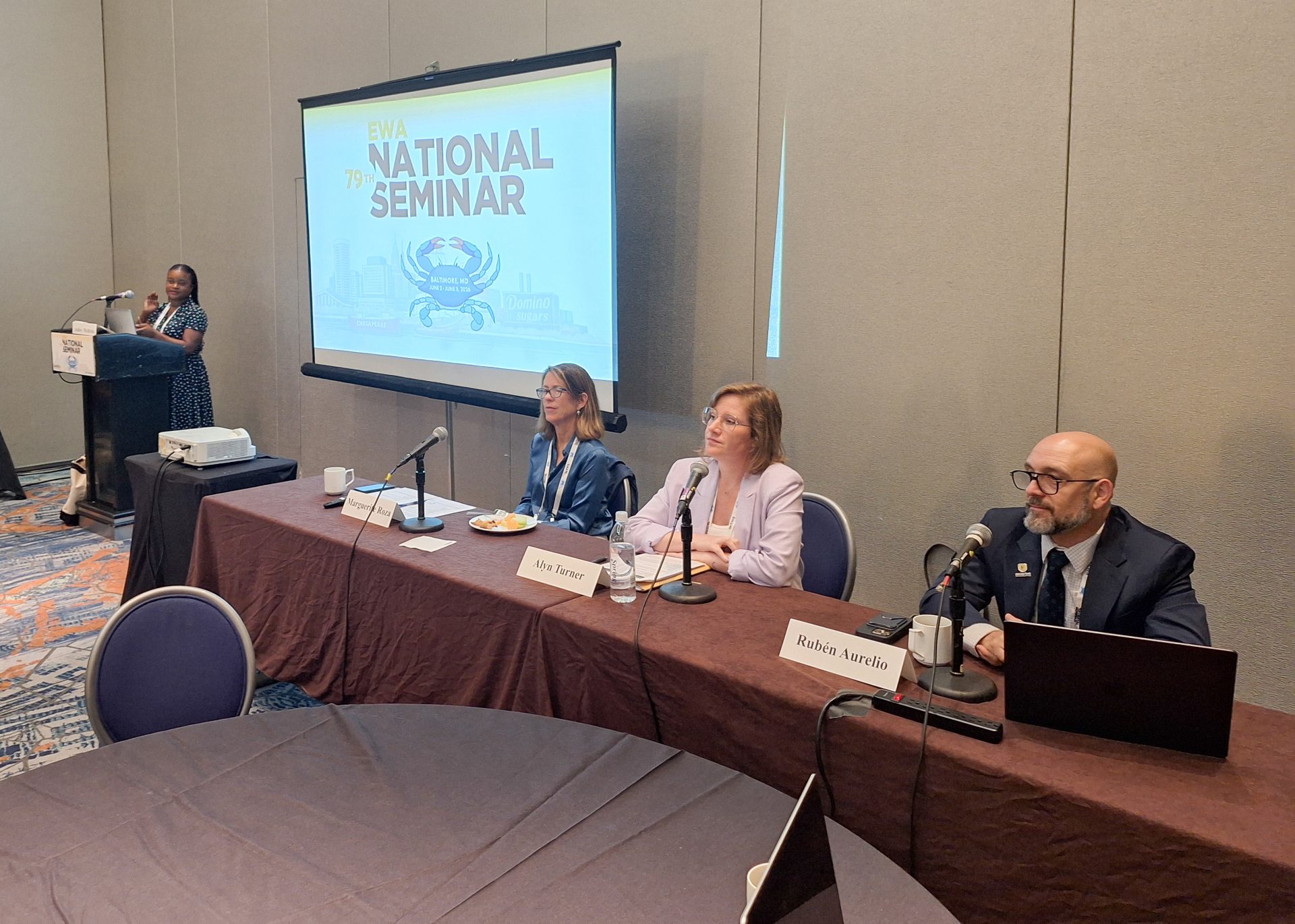
School districts across the U.S. are closing schools due to declining enrollment driven by lower birth rates, with Idaho and California districts like Nampa and Vallejo Unified leading the trend. Experts warn that maintaining underused schools forces cuts to programs like athletics and counseling, while communities face emotional debates over closures.
School districts nationwide are closing buildings as shrinking enrollment forces tough financial decisions. Marguerite Roza, director of Georgetown University’s Edunomics Lab, warns that declining birth rates mean fewer students, making school closures inevitable. In Idaho, eight of the top 10 largest districts saw enrollment drops from 2024 to 2025, including Nampa, which closed four schools after losing 3,100 students since 2018. Even small districts like Bruneau-Grandview, with just 257 students, face tough choices, despite local votes to keep some schools open. California’s Vallejo Unified School District has closed five schools since 2022, cutting enrollment by 23% from 2018 to 2024. Superintendent Rubén Aurelio acknowledges the emotional toll but emphasizes transparency, livestreaming meetings and providing public forums for feedback. Roza notes that resisting closures often leads to deeper budget cuts, like eliminating classroom aides or nurses, to sustain underused facilities. The trend reflects a broader misalignment between school capacity and student numbers, according to experts. Districts must balance financial sustainability with community sentiment, often leading to difficult trade-offs. While some parents oppose closures, Roza argues the focus should be on solving the financial crisis rather than preserving empty buildings. The challenge extends beyond logistics, touching on cultural and historical ties to shuttered schools, particularly in diverse communities.
This content was automatically generated and/or translated by AI. It may contain inaccuracies. Please refer to the original sources for verification.