A rare cancer-fighting plant compound has been decoded
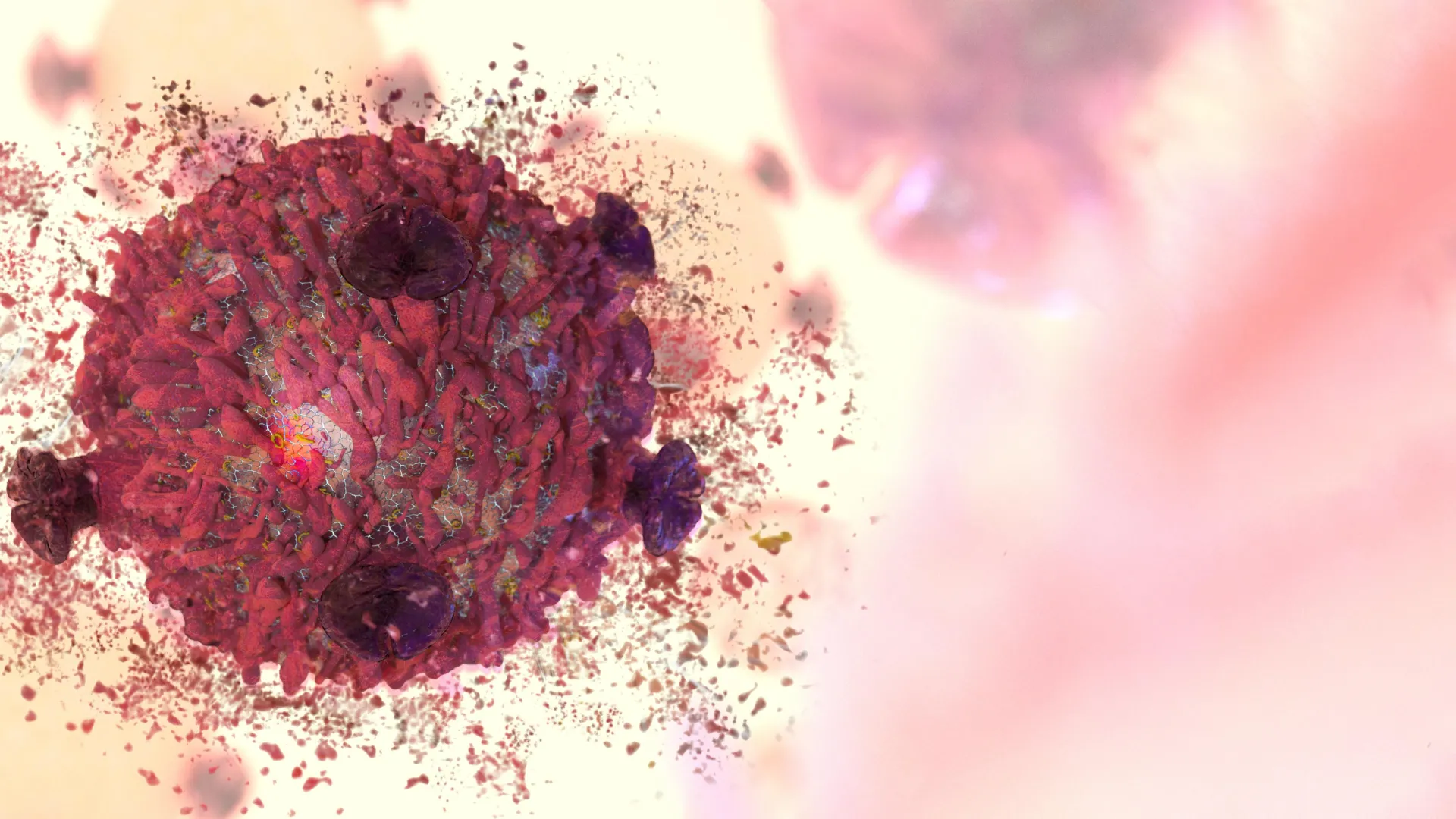
Researchers at the University of British Columbia Okanagan have decoded the molecular process behind mitraphylline, a rare cancer-fighting compound found in tropical plants like kratom and cat’s claw, by identifying two key enzymes responsible for its twisted structure. This breakthrough could enable sustainable lab production of the compound, which has anti-inflammatory and anti-tumor properties but is currently found only in trace amounts in nature.
Scientists at the University of British Columbia Okanagan have solved a long-standing mystery in plant chemistry by uncovering how mitraphylline—a rare alkaloid with potential cancer-fighting properties—is produced. The compound belongs to the spirooxindole family, known for its complex twisted molecular structure, which has eluded replication in labs due to unknown biosynthetic pathways. In 2023, Dr. Thu-Thuy Dang’s team identified the first enzyme capable of creating the spiro shape. Building on this, doctoral student Tuan-Anh Nguyen discovered two critical enzymes: one that folds the molecule into its correct 3D structure and another that finalizes its conversion into mitraphylline. Dr. Dang, UBC Okanagan’s Principal’s Research Chair in Natural Products Biotechnology, described the discovery as filling ‘missing links’ in the molecular assembly process. Mitraphylline occurs only in trace amounts in tropical plants such as *Mitragyna* (kratom) and *Uncaria* (cat’s claw), both in the coffee family. The breakthrough could enable sustainable lab production of the compound, which has shown anti-inflammatory and anti-tumor effects. Nguyen emphasized the potential for ‘green chemistry’ approaches to access high-value pharmaceutical compounds. The research involved collaboration between Dr. Dang’s lab at UBC Okanagan and Dr. Satya Nadakuduti’s group at the University of Florida. Funding came from Canada’s Natural Sciences and Engineering Research Council, the Canada Foundation for Innovation, and the Michael Smith Health Research BC Scholar Program, alongside support from the U.S. Department of Agriculture’s National Institute of Food and Agriculture. The discovery highlights plants’ role as ‘natural chemists’ and opens new avenues for producing rare bioactive compounds. Nguyen noted the significance of UBC Okanagan’s research environment in enabling the breakthrough, with plans to continue exploring its global applications.
This content was automatically generated and/or translated by AI. It may contain inaccuracies. Please refer to the original sources for verification.