A river out of balance: How the invasive fish, Nile Tilapia, is transforming the Godavari river ecosystem
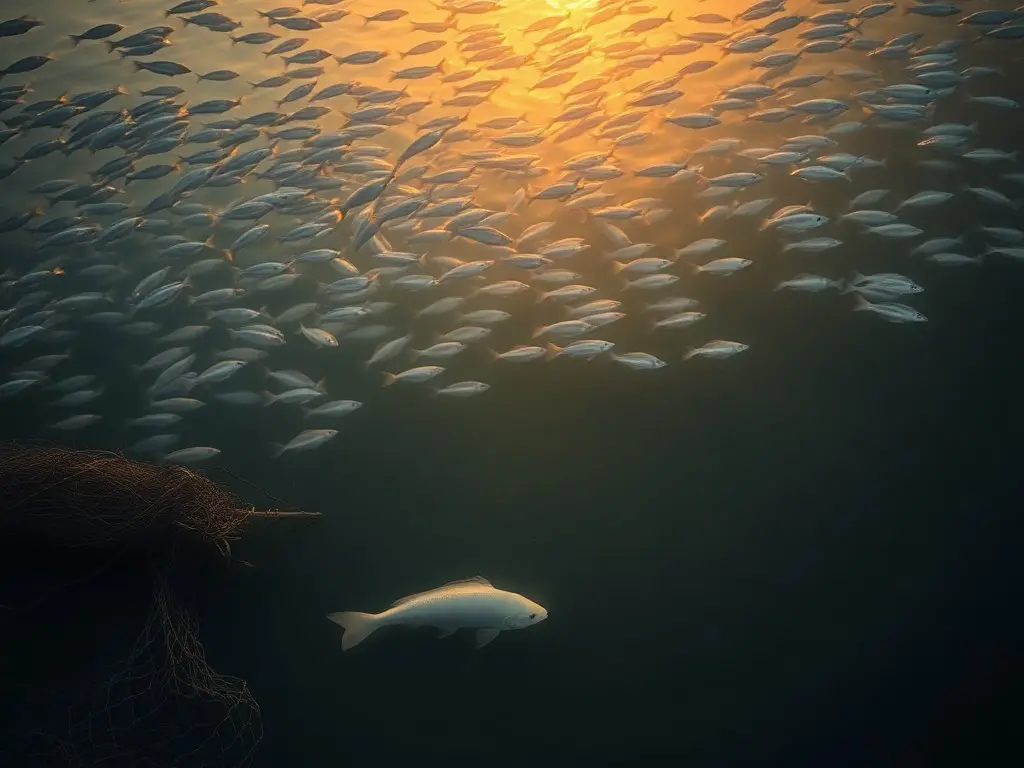
The invasive Nile Tilapia fish, introduced to boost aquaculture, is rapidly displacing native species in India’s Godavari River, threatening biodiversity and the livelihoods of local fisherfolk. A study in *Current Science* highlights how Tilapia’s proliferation is outcompeting endemic fish like the endangered white catfish and vulnerable mrigal carp, reshaping the river’s ecosystem.
India’s Godavari River, the second-largest in the country and spanning six states, is undergoing an ecological transformation due to the invasive Nile Tilapia. Originally introduced to enhance food production and aquaculture incomes, the fish has since proliferated uncontrollably, displacing native species such as the white catfish and mrigal carp. The Godavari, often called the *Dakshin Ganga* or ‘Ganges of the South,’ supports over 152 freshwater fish species, including 44 endemic varieties and 20 threatened or near-threatened species. Native fish like catla, rohu, and the prized monsoon delicacy *pulasa* (hilsa) have sustained local fisheries and biodiversity for centuries. However, Tilapia’s rapid reproduction and competitive advantage are now dominating the ecosystem, reducing native populations and disrupting food chains. A study published in *Current Science* titled *‘Exotic fish and aquatic ecosystem disservices in River Godavari’* confirms Tilapia’s dominance, warning of biodiversity loss and economic impacts on fisherfolk. The river’s delta, home to the country’s second-largest mangrove forest, is also at risk, as invasive species degrade habitats and threaten aquatic life. The spread of Tilapia reflects broader challenges in managing introduced species, where economic priorities clash with ecological consequences. Local communities, whose livelihoods depend on the river’s fisheries, now face declining catches and reduced income. Conservationists and scientists emphasize the need for sustainable fisheries management to mitigate further damage to the Godavari’s fragile ecosystem. The Godavari’s transformation underscores how human interventions—such as aquaculture introductions—can unintentionally reshape ecosystems. With native species like the white catfish classified as endangered and mrigal carp as vulnerable, urgent action is needed to restore balance. The case of Nile Tilapia serves as a warning about the long-term costs of unchecked invasive species in critical river systems.
This content was automatically generated and/or translated by AI. It may contain inaccuracies. Please refer to the original sources for verification.