A rural hospital paid for the children of 2 top executives to become doctors. It won’t say how many other people have gotten similar help.
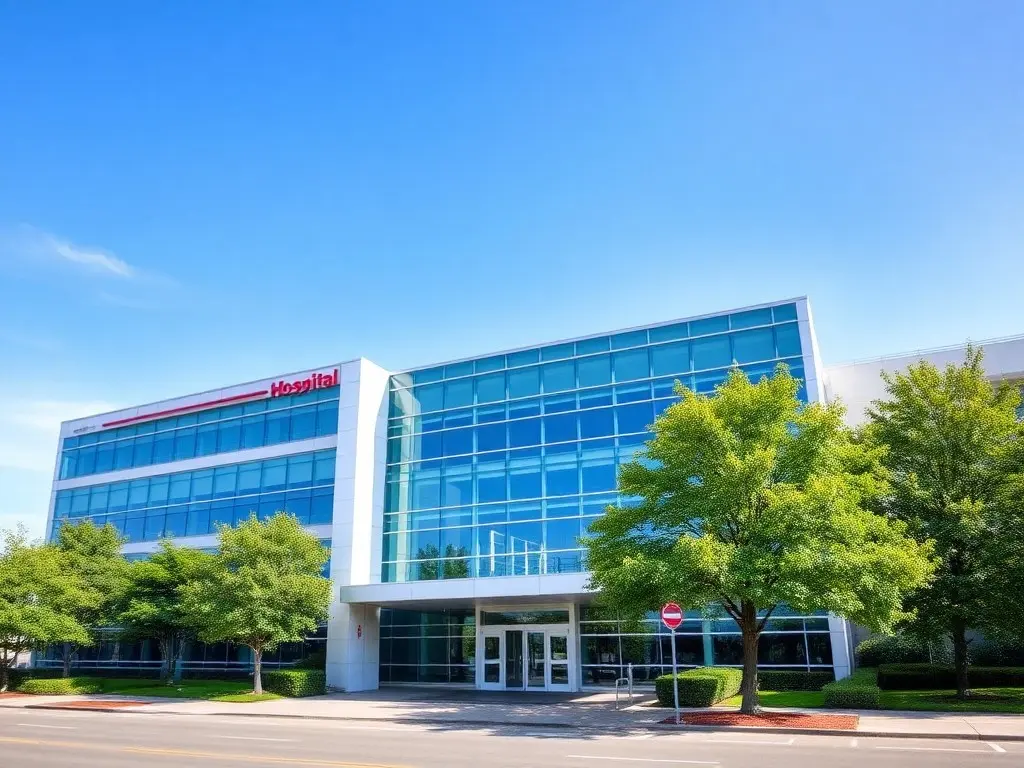
Buchanan General Hospital in Grundy, Illinois, paid for the medical training of two executives’ children—Dr. Tyler Ruchti (CEO Robert Ruchti’s son) and Dr. Lindsey Boyd (CFO Kimetha Boyd’s daughter)—through a tuition program, but tax filings list these as grants rather than loans. The hospital refuses to disclose how many others received similar aid, the program’s eligibility criteria, or why IRS filings misclassify the transactions, despite a 30-year history of offering financial assistance tied to future employment commitments.
Buchanan General Hospital, a 111-bed rural facility in Grundy, Illinois, has faced scrutiny over its tuition assistance program, which allegedly provided grants to the children of two top executives—Dr. Tyler Ruchti, son of CEO Robert Ruchti, and Dr. Lindsey Boyd, daughter of CFO Kimetha Boyd. According to the hospital’s IRS Form 990 filings, these payments are listed as Schedule L grants to interested persons, a designation that does not require repayment, despite the program’s stated purpose of offering loans forgivable upon completion of a multi-year employment commitment at the hospital. The program, designed to recruit clinicians to work in underserved rural areas, has been operational for 30 years, according to Sam Bartley, the hospital’s public relations specialist. Participants like Dr. Seth Lowe, who trained to become a cardiac anesthesiologist, were required to return to Buchanan General within 30 days of finishing their training or repay the full amount—Lowe’s contract specified a $336,000 repayment obligation if he declined the job offer. However, the hospital has declined to provide details about the agreements with Ruchti and Boyd, including whether they fulfilled their employment commitments or if similar exceptions were granted to others. Tax filings also raise questions about the program’s transparency. Payments to Ruchti and Boyd were recorded as ‘cash’ in IRS documents for years beyond their graduation dates, and the hospital has not disclosed how many individuals have participated in the program or the criteria for eligibility. Bartley stated that the hospital’s board approves each applicant, with no caps on funding or participant numbers, but declined to answer further questions about the program’s administration or conflict-of-interest policies. Requests for interviews with former participants or additional documentation—including the hospital’s conflict-of-interest policy and employment acceptance rates—were ignored. Bartley defended the program in an email, arguing that inquiries into its operations did not benefit the hospital’s mission of serving underserved communities. Meanwhile, Boyd is completing her residency, while Ruchti is currently working at a hospital in Ohio, leaving unanswered whether they honored their commitments to Buchanan General. The discrepancy between the program’s stated loan-forgiveness terms and the tax filings’ grant classifications underscores broader concerns about accountability and fairness in the hospital’s recruitment efforts. Without further transparency, questions persist about whether the program disproportionately benefits insiders or fulfills its intended purpose of addressing rural healthcare shortages.
This content was automatically generated and/or translated by AI. It may contain inaccuracies. Please refer to the original sources for verification.