A seismic electoral shift but what happens next?
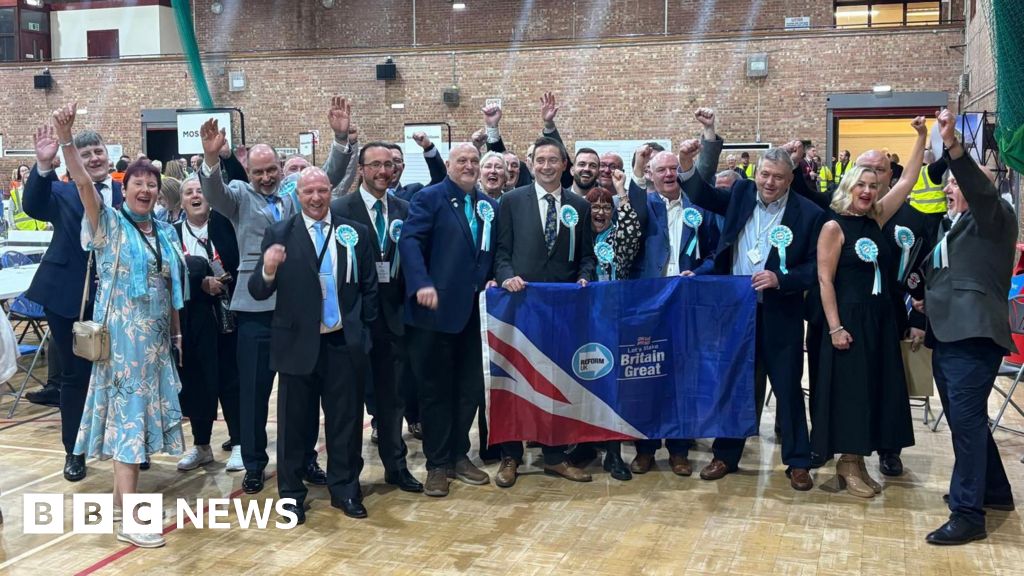
Labour suffered a historic defeat in the North West of England’s local elections, losing 222 seats to Reform UK, which gained 216, while the Greens and Independents also made gains. The results have left five councils under Reform control, four with no overall majority, and raised concerns about Labour’s future in both local and national politics, including for MPs like Lisa Nandy and Angela Rayner.
Labour’s dominance in the North West of England’s local government has ended after the May 2026 elections, where the party lost 222 seats across the region. Reform UK emerged as the biggest winner, securing 216 seats, while the Green Party gained 23 and Independents increased by 21. The Conservatives lost 39 seats, and the Liberal Democrats gained just one. The results mark a dramatic shift from decades of Labour control, with the party losing five councils, including St Helens, which fell to Reform. Four additional councils now have no overall control, forcing parties to collaborate—often across ideological divides—to govern. Tameside, held by Labour for 47 years, became a hung council after Reform won 18 of 19 contested seats. Newly elected councillors, particularly from Reform and the Greens, face steep learning curves as they take on roles with multi-million-pound budgets and responsibilities like social care and infrastructure. Local authority finances are already strained, with rising costs and statutory obligations like special education needs funding limiting savings. Reform’s recent attempt to close care homes in Lancashire was abandoned after public backlash, highlighting the political risks of budget cuts. Labour’s losses have raised concerns about the party’s future, including for MPs like Lisa Nandy, who lost all 22 seats in Wigan, and Angela Rayner, whose Ashton under Lyne seat is now under threat. The results suggest a broader shift away from traditional parties, with potential implications for the next general election. With no clear majorities in many areas, cooperation between unlikely allies will be essential to deliver local services. The electoral shift has also exposed generational gaps, as many experienced Labour councillors lost their seats. The challenge now is whether the new councillors can adapt quickly to the demands of local governance, from constituent casework to policy decisions on bins, parks, and potholes. The coming months will determine whether the seismic changes in local politics translate into broader national trends.
This content was automatically generated and/or translated by AI. It may contain inaccuracies. Please refer to the original sources for verification.