Access to federal loans could be cut off for many NC education programs
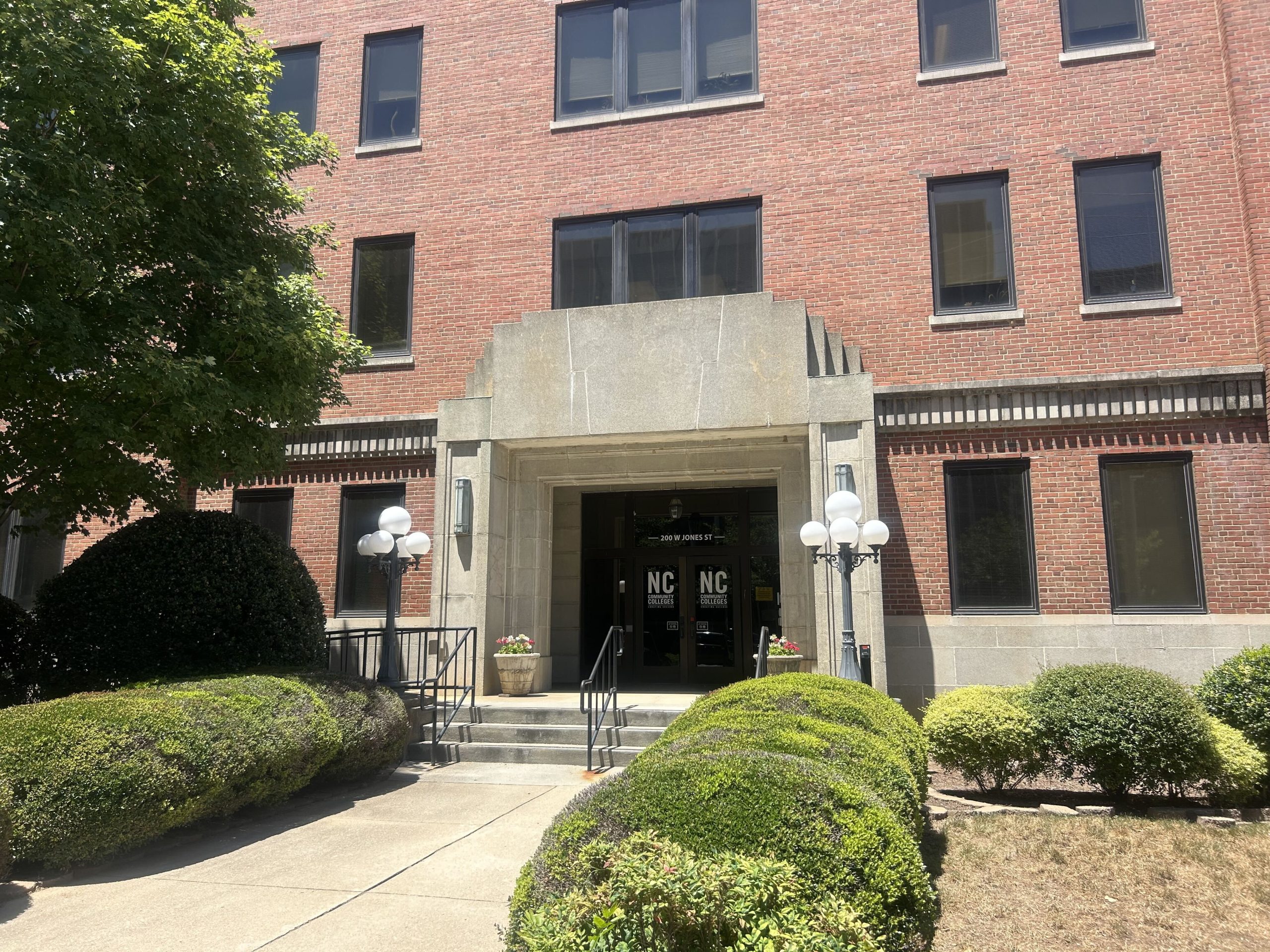
The U.S. Department of Education proposed a rule that could cut off federal loans for 53 low-earning programs at 29 North Carolina community colleges and four-year institutions like Shaw University, UNC-Greensboro, and UNC-Wilmington. The rule targets programs where graduates' median earnings fall below the state’s high school graduate average, aiming to curb predatory education practices and improve accountability for federal funding." "article": "The U.S. Department of Education has proposed a rule that could revoke federal loan access for degree and certificate programs where graduates earn less than the median state income for high school graduates. The rule, targeting 53 programs at 29 North Carolina community colleges and four-year institutions such as Shaw University, North Carolina A&T, UNC-Greensboro, and UNC-Wilmington, includes teacher education, cosmetology, and health administrative services. The rule builds on the Obama-era Gainful Employment Rule, which sought to prevent predatory vocational programs from saddling students with debt. The Education Department argues the new measure ensures federal education dollars are spent wisely, though legal challenges have historically delayed similar policies. North Carolina’s community colleges may face limited impact, as only nine of the system’s institutions currently participate in federal loan programs. Brian Merritt, Chief Academic Officer of the North Carolina Community Colleges System, noted that low tuition—$76 per credit hour—reduces reliance on loans, shielding most programs from the rule’s effects. The proposed rule could also restrict Pell Grants for affected institutions. Jeremy Bauer-Wolf, investigations manager at New America, linked the rule to broader conservative efforts under the Trump administration to reduce waste in federal education spending. Critics argue the policy may disproportionately affect minority-serving institutions and vocational programs critical to workforce development.
The U.S. Department of Education has proposed a rule that could revoke federal loan access for degree and certificate programs where graduates earn less than the median state income for high school graduates. The rule, targeting 53 programs at 29 North Carolina community colleges and four-year institutions such as Shaw University, North Carolina A&T, UNC-Greensboro, and UNC-Wilmington, includes teacher education, cosmetology, and health administrative services. The rule builds on the Obama-era Gainful Employment Rule, which sought to prevent predatory vocational programs from saddling students with debt. The Education Department argues the new measure ensures federal education dollars are spent wisely, though legal challenges have historically delayed similar policies. North Carolina’s community colleges may face limited impact, as only nine of the system’s institutions currently participate in federal loan programs. Brian Merritt, Chief Academic Officer of the North Carolina Community Colleges System, noted that low tuition—$76 per credit hour—reduces reliance on loans, shielding most programs from the rule’s effects. The proposed rule could also restrict Pell Grants for affected institutions. Jeremy Bauer-Wolf, investigations manager at New America, linked the rule to broader conservative efforts under the Trump administration to reduce waste in federal education spending. Critics argue the policy may disproportionately affect minority-serving institutions and vocational programs critical to workforce development.
This content was automatically generated and/or translated by AI. It may contain inaccuracies. Please refer to the original sources for verification.