Adnoc deploys inspection robot at Taweelah plant
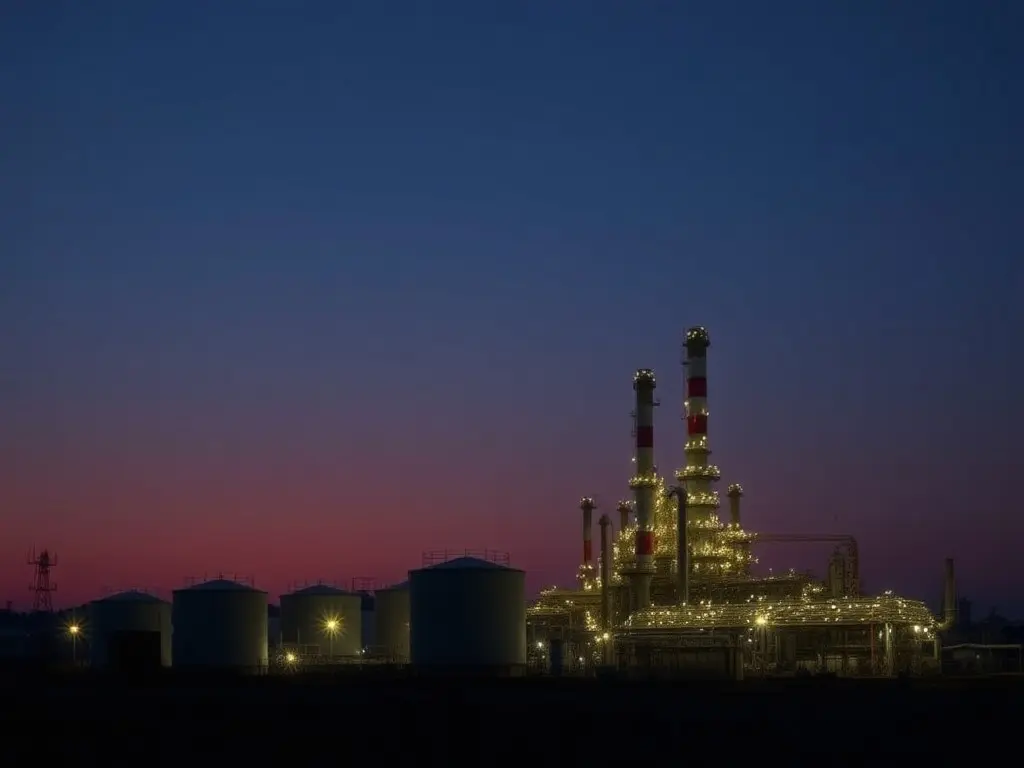
ADNOC deployed Taurob’s heavy-duty inspection robot at its Taweelah Gas Compression Plant to conduct autonomous inspections and identify hazards like gas leaks and hotspots. The company also announced plans to co-develop a heavy-duty ‘operator’ robot capable of lifting equipment and performing maintenance tasks in extreme conditions by 2026, as part of the ARGOS Joint Industry Project.
ADNOC has deployed Taurob’s heavy-duty inspection robot at its Taweelah Gas Compression Plant in the UAE. The robot, equipped with 3D LiDAR and thermal cameras, performs autonomous inspections to detect gas leaks, hotspots, and other hazards, enhancing safety by eliminating human risk in extreme industrial environments. The company is expanding its robotics program through the ARGOS Joint Industry Project, co-developing a heavy-duty ‘operator’ robot alongside Equinor, Net Zero Technology Centro, Petrobras, TotalEnergies, Saft, and Taurob. This robot will operate in temperatures from –20°C to 60°C, lifting heavy equipment and turning valves autonomously or remotely, reducing the need for human intervention in high-risk areas. It is scheduled for operation by the end of 2026. ADNOC’s Group Chief Technology and Innovation Officer, Dena Almansoori, emphasized that artificial and physical intelligence are central to the company’s long-term energy strategy. She noted that autonomous robots at Taweelah are already in live operations, aligning with the UAE’s AI Strategy 2031 and Robotics & Automation agenda to improve safety, reduce emissions, and enhance performance. The ARGOS project was supported by ADNOC’s experience in extreme environments, including the Middle East’s heat, according to Taurob’s Managing Director, Matthias Biegl. He highlighted the initiative’s focus on safety, efficiency, and emissions reduction through advanced robotics. ADNOC’s broader strategy integrates AI and robotics, such as its HSE Cockpit.ai tool, which has cut safety incidents by 30%. Robots and drones are now used for inspections, emissions monitoring, and incident response across land, sea, and air, including confined spaces and red zones. These advancements embed safety into daily operations while scaling the value of advanced robotics and AI.
This content was automatically generated and/or translated by AI. It may contain inaccuracies. Please refer to the original sources for verification.