After campus chaos, university leaders focus on rebuilding trust
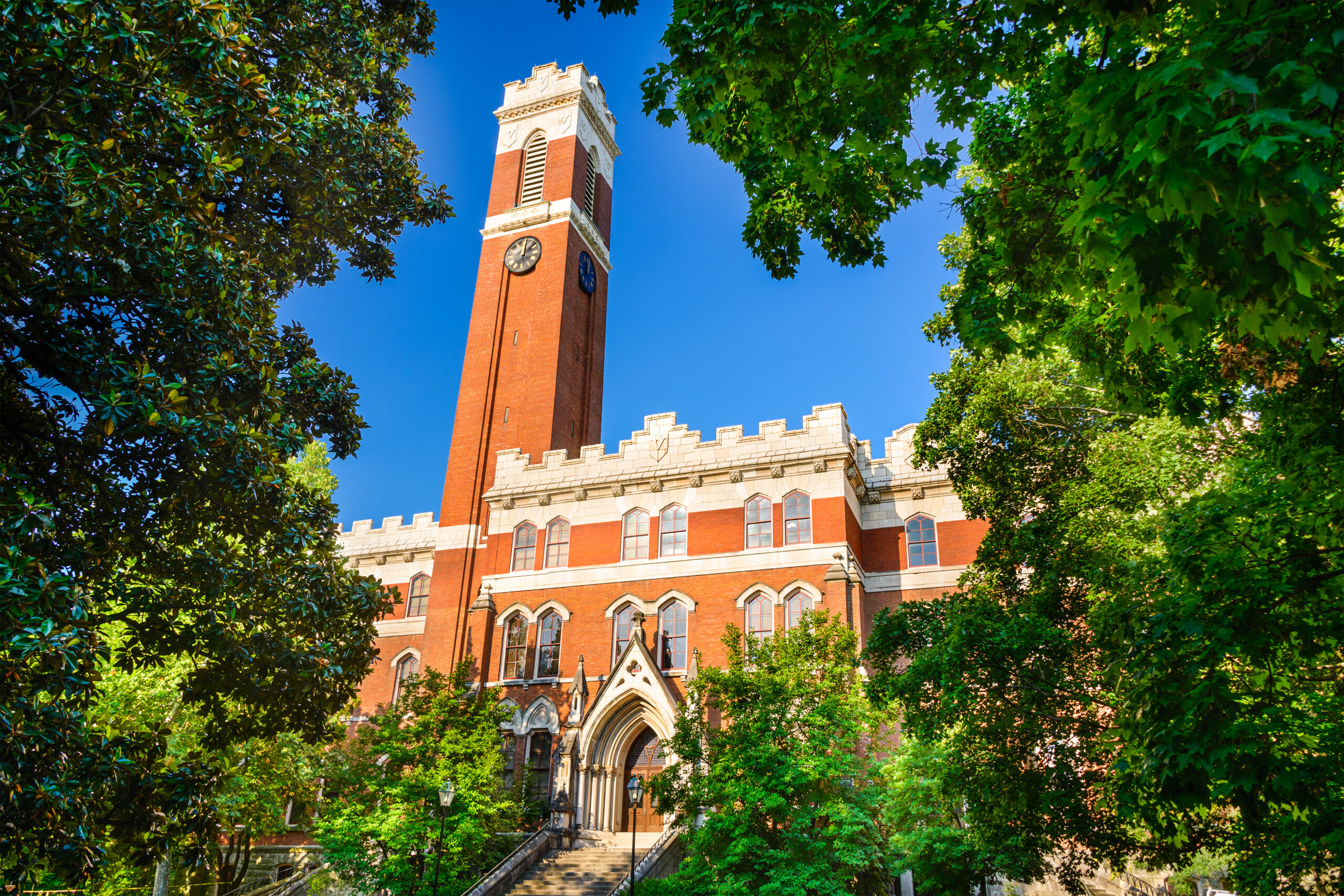
University leaders at the Milken Institute Global Conference in Los Angeles acknowledged a need to rebuild public trust amid past campus turmoil, including anti-Israel encampments and federal funding threats. Vanderbilt Chancellor Daniel Diermeier highlighted progress in defining acceptable protest standards, while experts warned of lasting damage to Jewish-American university relationships.
University presidents gathered at the Milken Institute Global Conference in Los Angeles last week emphasized the urgent need to restore trust in higher education after years of campus unrest. The past two years saw crises like anti-Israel protests and federal threats to cut funding, though spring 2026 has been calmer—though tensions persist over graduation speakers at institutions like the University of Michigan and Georgetown Law. Vanderbilt University Chancellor Daniel Diermeier told *Jewish Insider* that higher education remains in turmoil, with most leaders acknowledging ongoing challenges. He praised Vanderbilt’s early stance on balancing free speech with institutional rules, a position now adopted by peers like Harvard and Stanford. Diermeier called the shift toward clearer guidelines ‘gratifying,’ stressing that regaining public trust is essential. The post-October 7 campus chaos has particularly strained relationships between American Jews and universities, according to Steven Weitzman of the University of Pennsylvania’s Center for Advanced Judaic Studies. He described the divide as tragic, warning it harms both Jewish students and academic institutions. Schools like Vanderbilt and Dartmouth have capitalized by promoting inclusive environments without major disruptions. Weitzman noted that some Jewish families are reconsidering university choices due to perceived hostility. Meanwhile, Diermeier’s leadership in defining protest boundaries has set a model for peers, though broader systemic changes are still needed. The focus remains on stabilizing campuses while addressing deep-seated skepticism from students, faculty, and the public.
This content was automatically generated and/or translated by AI. It may contain inaccuracies. Please refer to the original sources for verification.