Agnikul ramping up launch ops: Successfully quick-starts 3D printed rocket engine
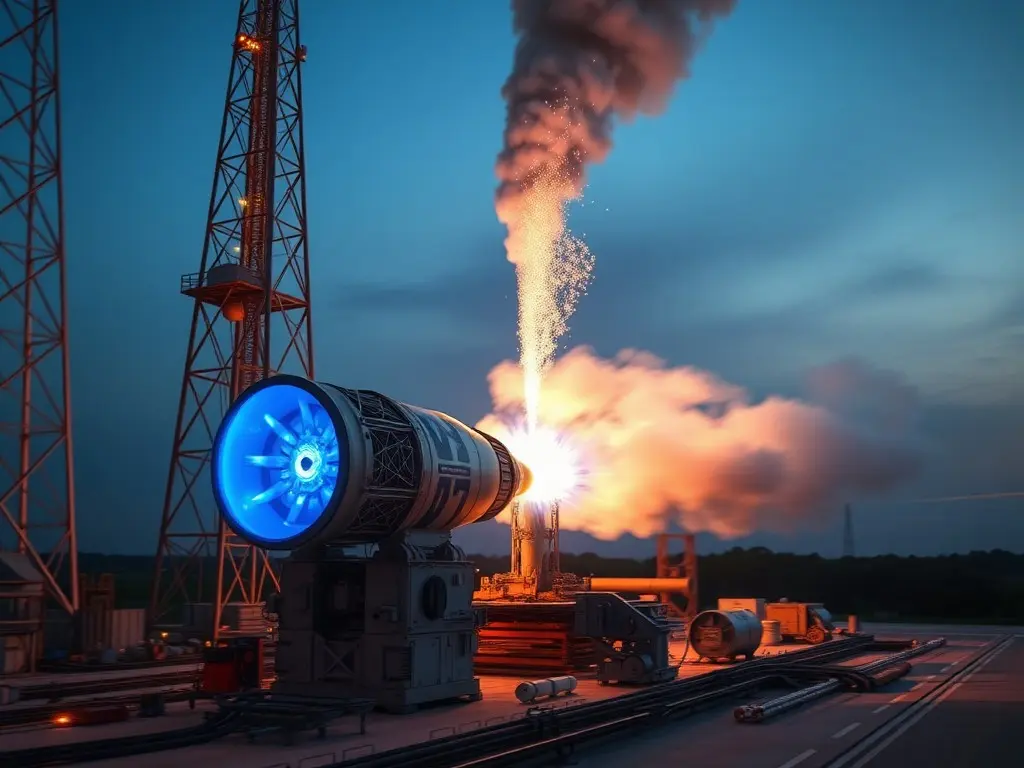
Chennai-based startup Agnikul Cosmos successfully tested a quick-start capability for its 3D-printed Agnite rocket engine, a one-metre-long booster made entirely from Inconel, demonstrating rapid acceleration in an 18.85-second trial. This breakthrough could slash manufacturing time to a week and reduce costs, advancing India’s private space sector and enabling more frequent, affordable satellite launches for communication and Earth observation purposes.
Agnikul Cosmos, a Chennai-based startup founded in 2017 by engineers from IIT Madras, achieved a key milestone in India’s private space sector by successfully testing the quick-start capability of its Agnite rocket engine. The 18.85-second test showcased the engine’s ability to rapidly accelerate from ignition, a critical feature for on-pad adjustments and improved payload performance during multi-stage rocket launches. The Agnite engine, entirely 3D-printed in a single piece using heat-resistant Inconel alloy, marks a departure from traditional solid-fuel or heavy liquid engines, offering greater control and pre-flight testing flexibility. The test highlights Agnikul’s focus on liquid propellant engines, which use electric motors to drive fuel pumps, enabling faster ramp-up times. This innovation allows engineers to verify engine performance even before launch, enhancing reliability for missions carrying small satellites into orbit. The company’s Agnibaan launch vehicle, backed by institutions like IIT Madras, ISRO, and INSPACe, aims to provide on-demand satellite launches without the delays of shared missions. 3D printing the entire engine in one piece reduces manufacturing time from months to as little as a week while cutting costs, making space launches more frequent and affordable. This technology supports India’s growing ambitions in space, particularly for smaller satellites used in communication, Earth observation, disaster management, and scientific research. Agnikul’s success signals the maturation of India’s space ecosystem, blending engineering expertise with practical innovations. The quick-start capability is especially valuable for post-first-stage separation, where the engine’s efficiency directly impacts payload capacity. As Agnikul progresses toward full-stage testing and commercial launches, its achievements are drawing global attention. The startup’s journey—from a Chennai lab to orbit—underscores how homegrown innovation can reshape India’s access to space, leveraging additive manufacturing to redefine launch operations.
This content was automatically generated and/or translated by AI. It may contain inaccuracies. Please refer to the original sources for verification.