AI chip boom spurs new 'aristocracy,' rippling from housing to college admissions
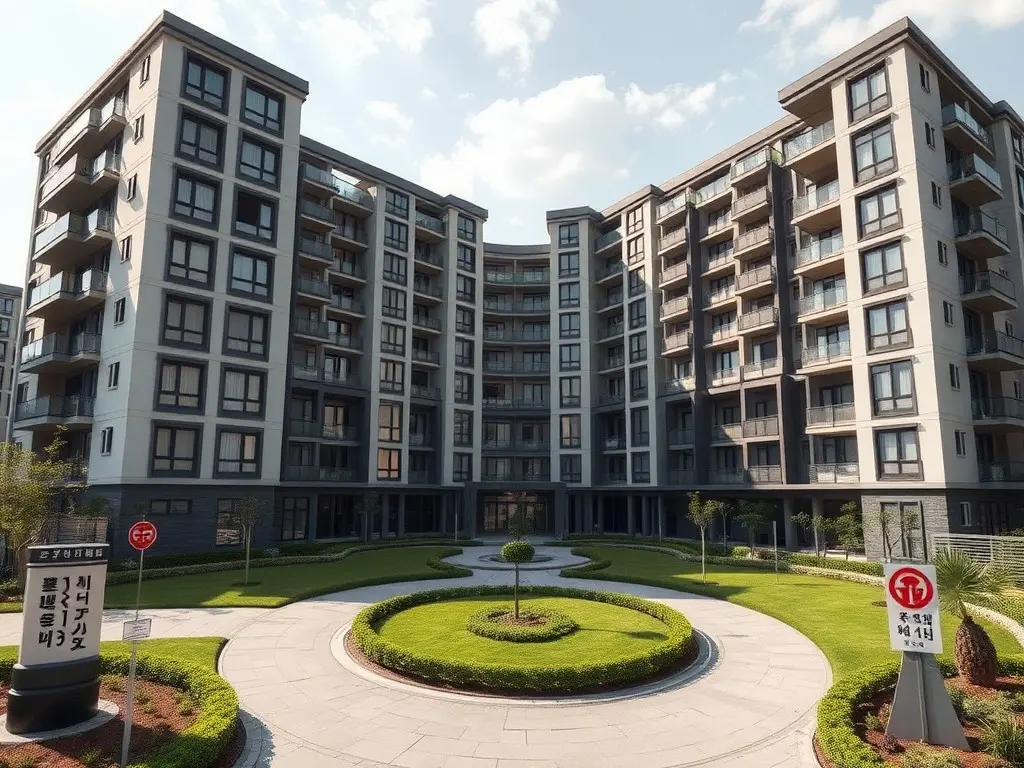
A semiconductor supercycle is boosting Korea's chip giants, Samsung Electronics and SK hynix, and their employees are expected to receive large performance bonuses, potentially injecting liquidity into asset markets and reshaping the country's college admissions landscape. The bonuses are estimated to be substantial enough to cover a significant portion of the cost of a typical apartment in Korea.
Korea's chip giants, Samsung Electronics and SK hynix, are expected to distribute large performance bonuses to their employees due to a semiconductor supercycle. Employees at SK hynix are expected to receive an average of 800 million won ($540,000) in bonuses, while Samsung Electronics' chip division staff are seeking over 500 million won per person. These bonuses far exceed the average annual income of workers at conglomerates and are substantial enough to cover a significant portion of the cost of a typical apartment in Korea. The payouts are expected to inject liquidity into asset markets and potentially push up housing prices, which have already risen nearly 10 percent on year in April. The bonus cycle could also reshape the country's college admissions landscape, with a surge in demand for semiconductor-related majors challenging the dominance of medical schools. The trend is expected to persist alongside the chip boom, potentially accelerating premiumization in Seoul's housing market, particularly in the ritzy Gangnam district.
This content was automatically generated and/or translated by AI. It may contain inaccuracies. Please refer to the original sources for verification.