AI Data Centers’ Environmental Footprint Goes Beyond Energy Use
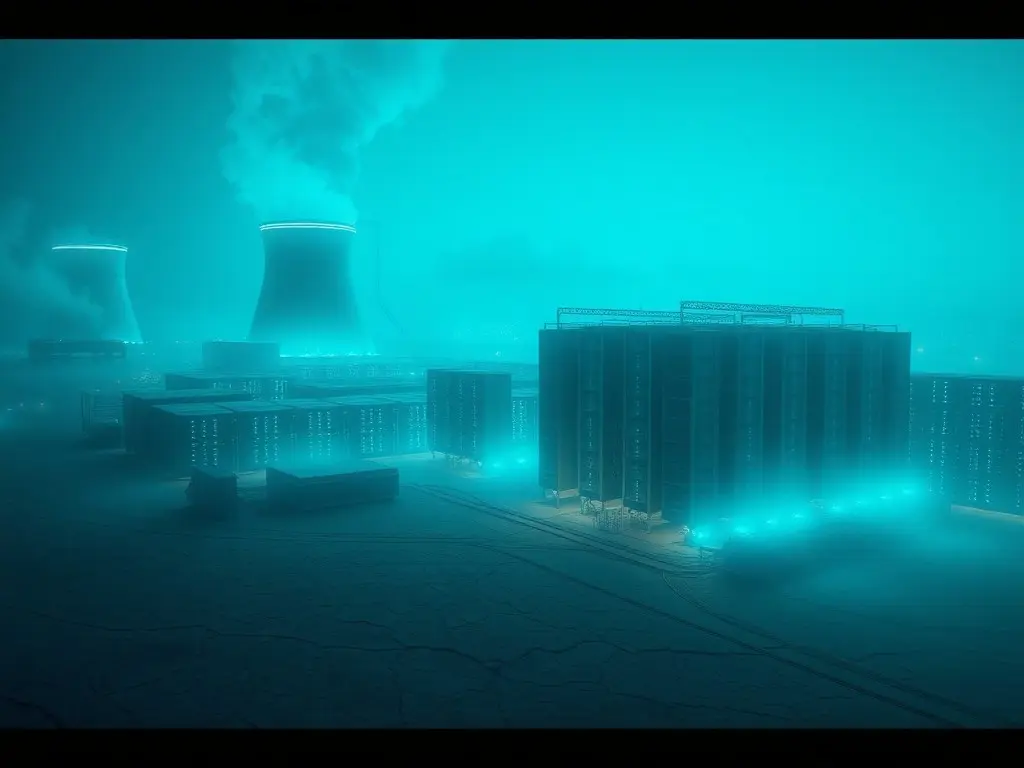
A United Nations University report warns AI data centers contribute to water and land use impacts beyond energy consumption, with AI accounting for 20% of data center energy use in 2025 and projected to rise to 40% by 2030. The report highlights gaps in environmental disclosure, as vendors lack standardized reporting on water consumption, emissions, and land use, complicating sustainability claims for buyers and governments.
A United Nations University report published June 3 reveals AI’s environmental impact extends beyond carbon emissions, exposing water and land use costs tied to data center growth. The study frames AI as a physical infrastructure system, not just software, emphasizing the role of data centers, cooling systems, electricity grids, and mineral supply chains in shaping its environmental footprint. Global data centers consumed 448 trillion watt-hours of electricity in 2025, with AI responsible for 20% of that demand—expected to surge to 40% by 2030. The International Energy Agency projects data center electricity use will rise from 460 terawatt-hours in 2024 to over 1,000 terawatt-hours by 2030, straining local grids and utilities. While carbon emissions are a key concern, the report notes that renewable or net-zero electricity claims often overlook water consumption, land use, and grid strain at data center sites. AI’s expansion into enterprise applications—like robotics, simulation, and agentic systems—further amplifies infrastructure demands. Google’s Gemini Apps reduced energy use by 33-fold and carbon emissions by 44-fold per text prompt between May 2024 and 2025, yet experts argue broader system impacts, such as indirect water use and location-based emissions, remain unaddressed. This creates a disclosure gap, as vendors lack standardized reporting on energy, water, and land use, leaving procurement teams with incomplete sustainability data. The UNU report urges governments to integrate AI infrastructure into energy, water, and land-use planning while pushing for standardized environmental disclosures. For businesses, evaluating vendors now requires assessing not just electricity sources but also cooling methods, local grid capacity, and indirect resource impacts. Without clearer metrics, claims of ‘renewable’ or ‘net-zero’ AI operations may mask broader environmental trade-offs.
This content was automatically generated and/or translated by AI. It may contain inaccuracies. Please refer to the original sources for verification.