AI data centres could use as much water as 1.3 billion people by 2030: UN report
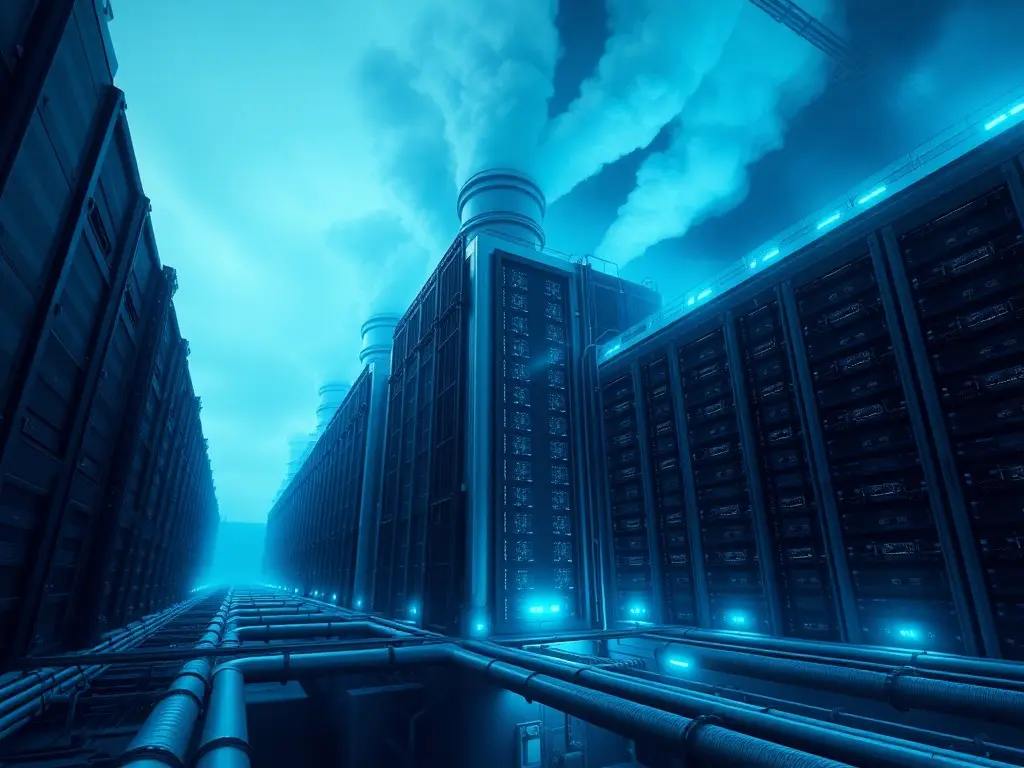
A UN report warns AI-powered data centers could consume 9.3 trillion liters of water annually by 2030, equivalent to the needs of 1.3 billion people, while their electricity demand could triple to 945 terawatt-hours, surpassing the combined consumption of Bangladesh, Pakistan, and Nigeria. The report highlights water-intensive cooling systems and rising environmental concerns tied to AI-driven computing growth, with 2025 data center energy use already matching Sub-Saharan Africa’s residential electricity demand for 2.6 years.
A new report by the United Nations University Institute for Water, Environment and Health (UNU-INWEH) reveals that AI data centers may consume 9.3 trillion liters of water annually by 2030, equivalent to the yearly domestic water needs of 1.3 billion people. The demand stems primarily from water-intensive cooling systems required to prevent server overheating, particularly in warmer regions, raising environmental concerns in water-scarce areas. The report projects global data centers will consume 945 terawatt-hours (TWh) of electricity annually by 2030, more than double current levels and nearly triple the combined electricity use of Bangladesh, Pakistan, and Nigeria. In 2025, data centers already consumed 448 TWh of electricity—a volume that, if considered a country, would rank as the world’s 11th-largest electricity consumer. The energy consumption of data centers in 2025 was sufficient to meet the annual residential electricity needs of Sub-Saharan Africa’s 1.3 billion people for 2.6 years. The findings underscore the environmental costs of AI-driven computing growth, as demand for computing power continues to rise globally. The report highlights the strain on water resources, particularly in regions facing shortages, due to the cooling requirements of large-scale data centers. Experts warn that unchecked growth in AI infrastructure could exacerbate water scarcity and energy consumption challenges worldwide.
This content was automatically generated and/or translated by AI. It may contain inaccuracies. Please refer to the original sources for verification.