AI, Elections, and the Fragility of Rights in the Digital Age
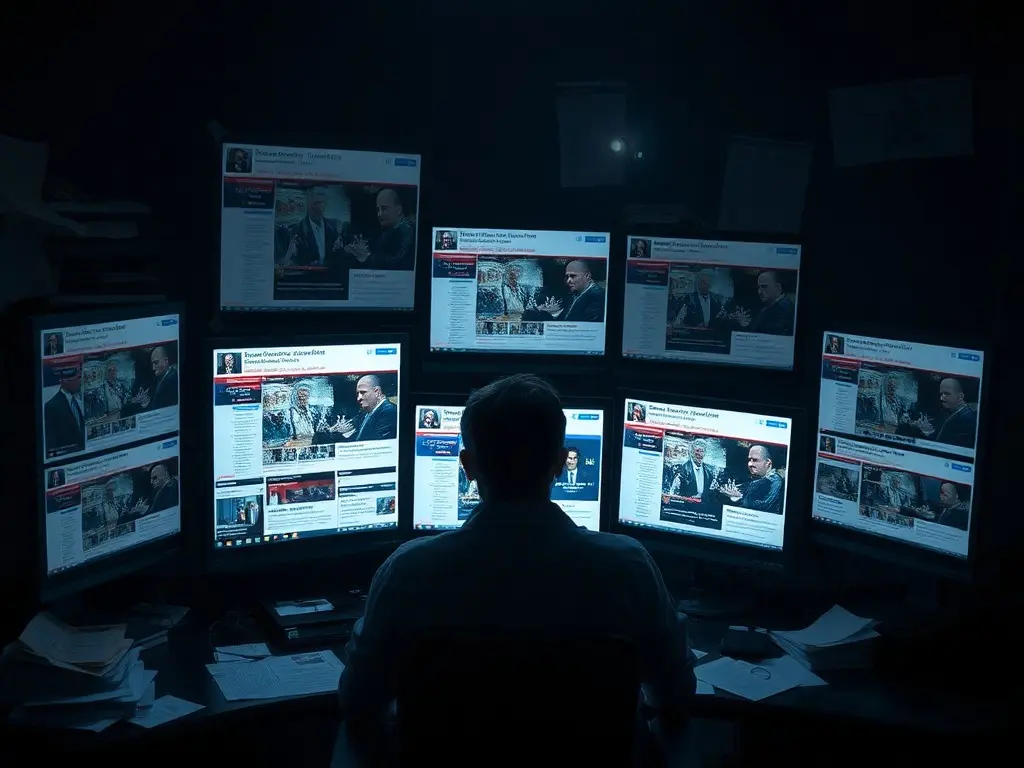
The intersection of artificial intelligence and democratic processes is becoming increasingly relevant as Morocco approaches its next general elections, with AI-driven disinformation campaigns posing a significant threat to electoral integrity. The use of AI in elections is not just a technical issue, but a human rights concern, undermining freedom of expression, access to information, and the right to participate in public affairs.
Morocco is approaching its next general elections, and the role of artificial intelligence in democratic processes is becoming increasingly relevant. Elections are no longer just institutional exercises, but are deeply embedded in digital ecosystems shaped by algorithms and AI systems. Algorithmic amplification and AI-driven disinformation campaigns are influencing political discourse and shaping public opinion at scale. The use of AI in elections poses a significant threat to electoral integrity, with deepfakes, synthetic media, and targeted disinformation campaigns eroding trust in institutions and candidates. This is not just a technical issue, but a human rights concern, undermining freedom of expression, access to information, and the right to participate in public affairs. A human rights-based approach to AI governance is necessary to mitigate these risks and protect democratic legitimacy.
This content was automatically generated and/or translated by AI. It may contain inaccuracies. Please refer to the original sources for verification.