AI is learning to fly airplanes — and aviation is starting to embrace it
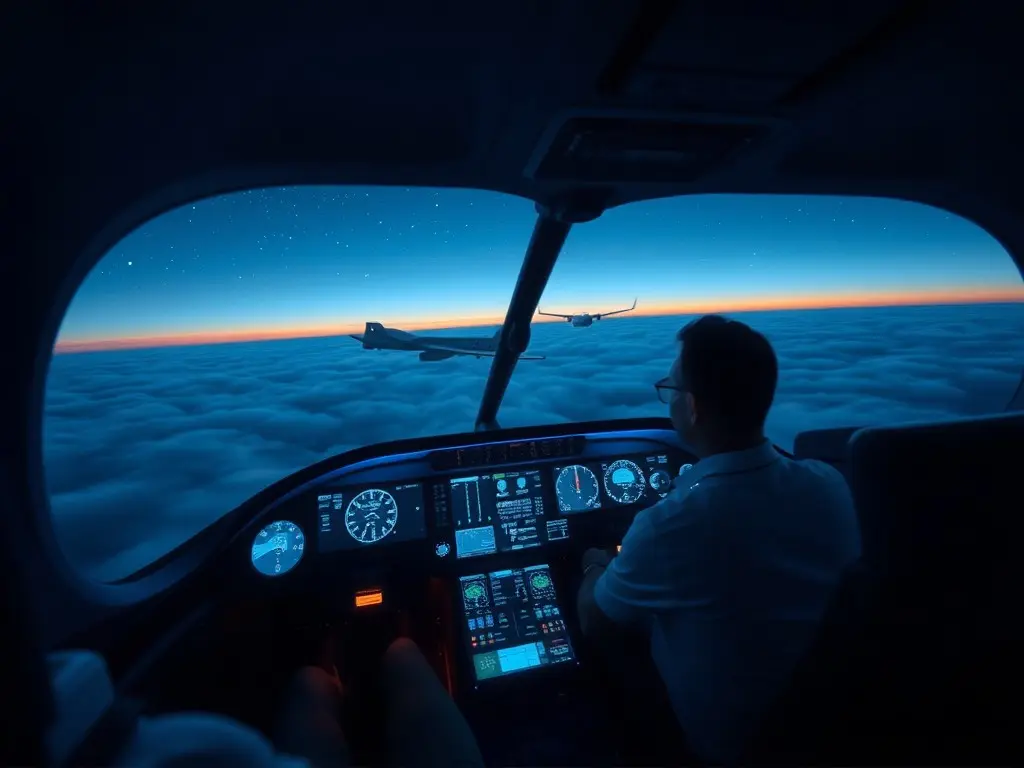
Startup Merlin Labs demonstrated an AI system called Merlin Pilot that autonomously controls a Cessna Caravan during a test flight, handling tasks like air traffic instructions and navigation without pilot intervention. The push for AI-assisted aviation comes amid a global pilot shortage and safety concerns, with U.S. Transportation Secretary Sean Duffy endorsing AI tools to ease air traffic control workloads while pilots remain skeptical of full automation.
Merlin Labs, a startup led by CEO Matthew George, recently tested an AI system called Merlin Pilot on a Cessna Caravan, where the technology handled flight controls, air traffic communication, and navigation without pilot input. Test pilot Matt Diamond and CTO Tim Burns observed as the AI responded to instructions from a mock air traffic controller using a computerized voice, demonstrating capabilities beyond traditional autopilot systems. The demonstration highlights the aviation industry’s growing interest in AI to address critical challenges, including a projected shortage of over 600,000 pilots worldwide in the next two decades, according to Boeing. AI could also mitigate human error, which Merlin Labs claims is responsible for 80% of aviation accidents. U.S. Transportation Secretary Sean Duffy supports AI integration to modernize the aging air traffic control system, stating it will reduce controller workloads but emphasizing human oversight will remain essential. ‘Controllers are going to control the airspace, but we can make their jobs easier,’ Duffy told CNN, framing AI as a tool for efficiency in crowded skies. Critics like Mykel Kochenderfer, a Stanford University researcher specializing in autonomous systems, acknowledge AI’s potential to enhance safety but warn the industry must rigorously test and build trust in the technology. Current automation in cockpits operates within narrow parameters, whereas AI systems aim to handle broader, unpredictable scenarios. Pilot unions, such as the Air Line Pilots Association (ALPA), remain cautious. ALPA President Capt. Jason Ambrosi stressed that AI should support—not replace—pilots, calling well-trained human crews the ‘most important safety feature’ on any flight. The debate underscores the tension between technological advancement and the aviation community’s reliance on human expertise.
This content was automatically generated and/or translated by AI. It may contain inaccuracies. Please refer to the original sources for verification.