AI learns to think ahead
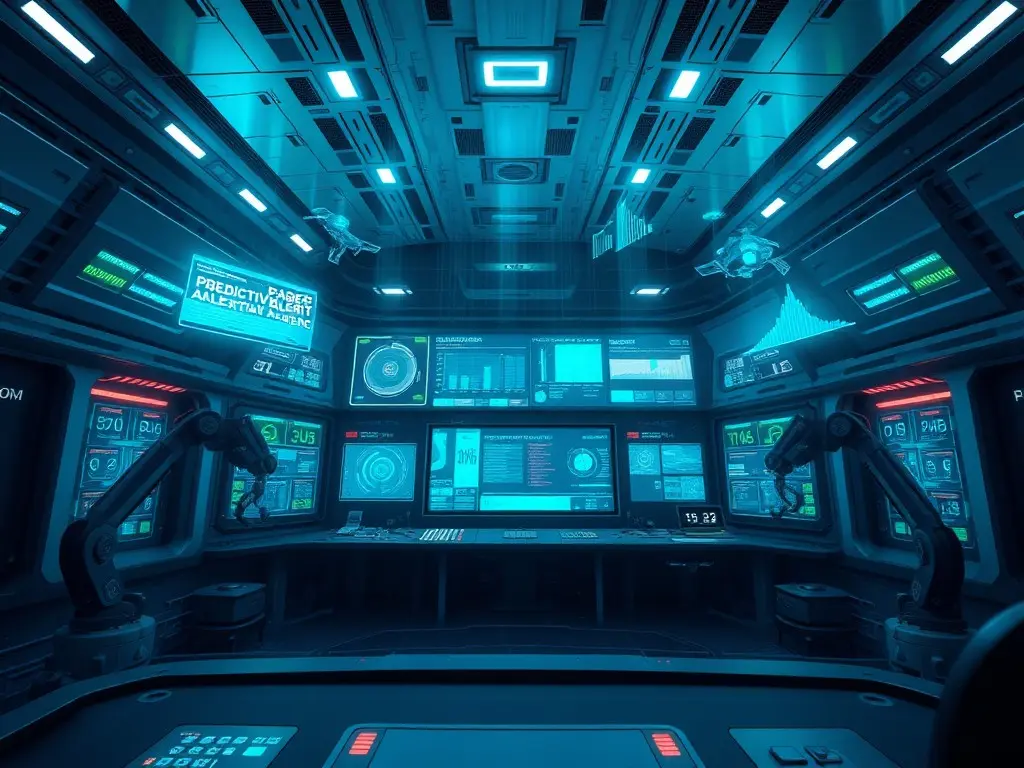
A new generation of artificial intelligence is transitioning from reactive systems to predictive ones, anticipating user needs and potential issues across industries like aviation and space exploration. AI now analyzes real-time data to flag risks, suggest actions, and even replace failing components before failures occur, enhancing safety and efficiency in critical sectors.
Artificial intelligence is evolving beyond responding to commands and beginning to anticipate needs. Traditional AI systems wait for user input, such as questions or instructions, but emerging models observe patterns, learn behaviors, and act proactively. This shift is transforming decision-making, work processes, and human-technology interactions, marking a fundamental change in how AI operates. In aviation, AI is already improving safety and efficiency by analyzing real-time data from aircraft engines and sensors. Instead of reacting to failures, predictive AI identifies potential issues before they disrupt operations, allowing for preemptive maintenance. This reduces delays, lowers costs, and enhances flight safety by enabling engineers to replace parts before they fail. Cockpit decision-support systems are also advancing, with AI monitoring weather, fuel consumption, and flight conditions to offer pilots real-time recommendations. These systems do not replace human judgment but provide an additional layer of intelligence, helping pilots detect risks they might otherwise miss. Space exploration relies even more heavily on predictive AI due to communication delays and unpredictable conditions. Missions under the Artemis Programme use autonomous systems to detect anomalies, adjust trajectories, and manage onboard operations without Earth’s input. This capability is critical for deep-space missions, where split-second decisions can determine success or failure. From predictive typing on smartphones to rerouting navigation systems, early examples of this shift are already visible in everyday technology. As AI continues to develop, its ability to think ahead will reshape industries and redefine human-machine collaboration.
This content was automatically generated and/or translated by AI. It may contain inaccuracies. Please refer to the original sources for verification.