AI may end up creating more jobs than it replaces by 2030, says WEF’s Mirek Dusek
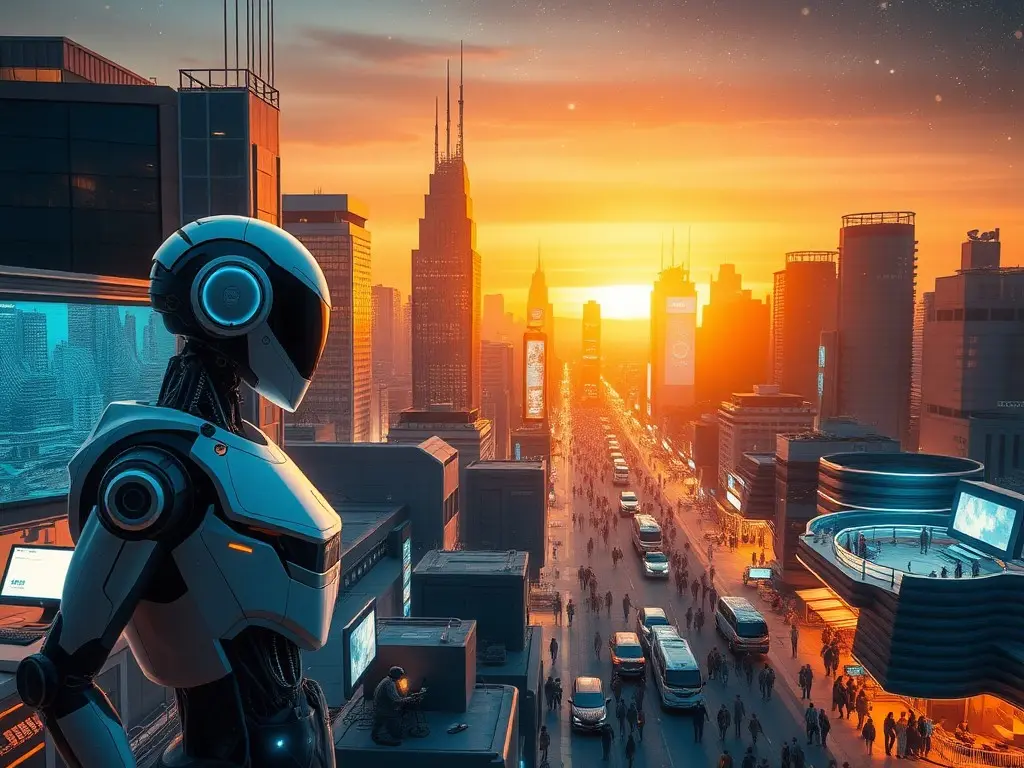
Mirek Dusek, Managing Director and Chief Business Officer at the World Economic Forum (WEF), predicts AI could create more jobs than it displaces by 2030, marking a net job-positive impact according to WEF’s latest research. He highlights AI’s growing role in reshaping workflows, driving economic growth, and enabling entrepreneurship, while emphasizing the need for global collaboration between governments, businesses, and policymakers to adapt to these changes.
Artificial intelligence is transitioning from experimental phases into mainstream economic integration, with companies worldwide deploying AI across functions and workflows, according to Mirek Dusek, Managing Director and Chief Business Officer at the World Economic Forum (WEF). Speaking in an interview with CNBC-TV18, Dusek noted that businesses are still in early adoption stages, focusing on pilot projects to enhance productivity and efficiency, but the broader potential lies in redesigning workflows to foster collaboration between humans and technology. The WEF predicts AI could become a major driver of global economic growth by unlocking new value creation, particularly in what Dusek calls the 'agentic economy.' Investment in AI infrastructure is rising, especially in the United States and Silicon Valley, while governments worldwide are developing regulatory frameworks to balance innovation with oversight. The European Union has led efforts with its AI framework, though approaches vary globally. Despite concerns about job displacement, WEF research suggests AI may support net job creation by 2030, with cheaper AI tools potentially spurring global entrepreneurship. Dusek stressed the importance of reskilling and upskilling employees to adapt to AI-driven changes, urging businesses to rethink workflows and processes alongside technology adoption. The WEF is facilitating discussions among tech firms, labor economists, and policymakers to understand AI’s labor market impact and shape policy responses. Dusek acknowledged that long-term economic effects of AI remain uncertain, emphasizing the need for ongoing collaboration between governments and industries to refine approaches. He described the current moment as a 'remarkable' opportunity for the global economy, where AI could expand economic opportunities if supported by adequate infrastructure and energy systems. The WEF’s latest Future of Jobs report underscores AI’s potential to reshape industries and labor markets, provided stakeholders work together to mitigate risks and maximize benefits.
This content was automatically generated and/or translated by AI. It may contain inaccuracies. Please refer to the original sources for verification.