AI-powered conservation project ends
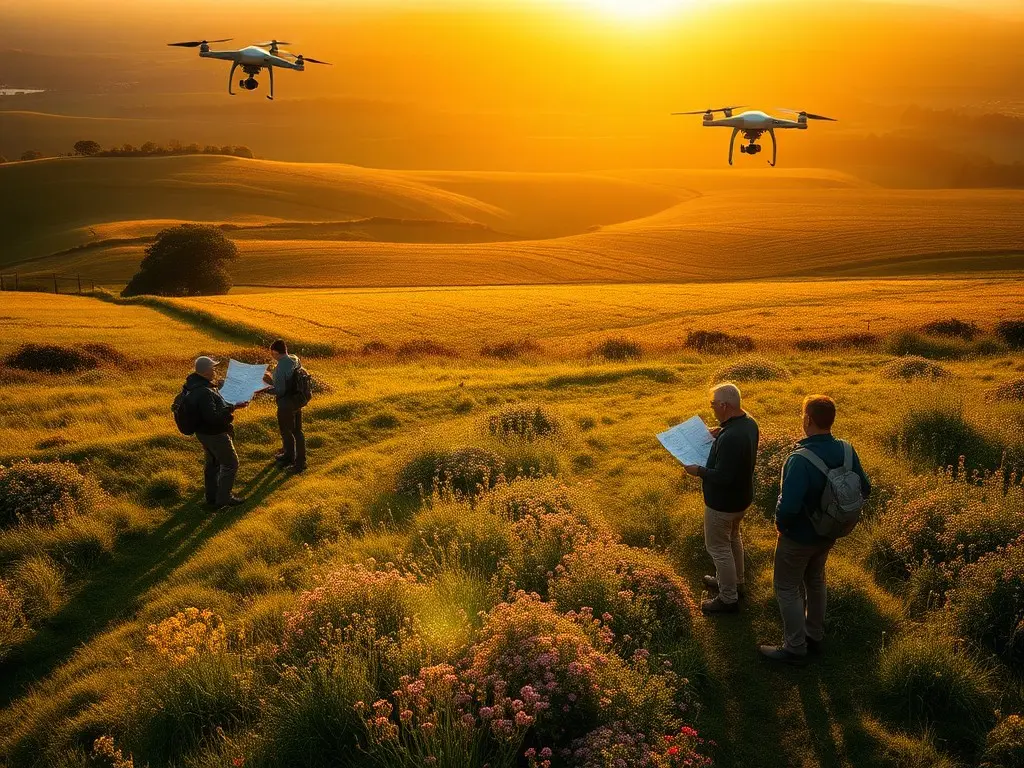
The Space4Nature project, a UK-based collaboration involving Buglife, Surrey Wildlife Trust, the University of Surrey, and Painshill Park, concluded after three years of using AI, satellite imagery, and citizen science to restore over 60 hectares of pollinator habitats across Surrey. The initiative trained 350 volunteers, developed predictive habitat models, and engaged local communities in conservation efforts, with findings set to be published via the LandApp platform.
A three-year AI-driven conservation project in Surrey, UK, has concluded after successfully integrating machine learning, high-resolution satellite imagery, and citizen science to advance nature recovery. Space4Nature, a partnership between Buglife, Surrey Wildlife Trust, the University of Surrey, and Painshill Park, restored over 60 hectares of pollinator habitats—including wildflower meadows, heathlands, wetlands, and hedgerows—while investing more than £100,000 to connect insect pathways. The project trained 350 volunteers in ecological surveys, feeding their data into machine learning models alongside satellite imagery. This collaboration produced predictive maps for grassland and lowland heathland habitats, which will be made freely available on the LandApp platform once peer-reviewed. Zoe Channon of Surrey Wildlife Trust called the initiative a model for combining cutting-edge technology with on-the-ground conservation efforts. Space4Nature also engaged local communities through partnerships with schools, landowners, and groups, hosting over 150 events. The project emphasized the importance of merging strategic action with grassroots involvement to drive nature recovery. Findings from the initiative will contribute to broader conservation strategies, with habitat data accessible to researchers, policymakers, and the public.
This content was automatically generated and/or translated by AI. It may contain inaccuracies. Please refer to the original sources for verification.