AI rally drives Ford to best month since crisis
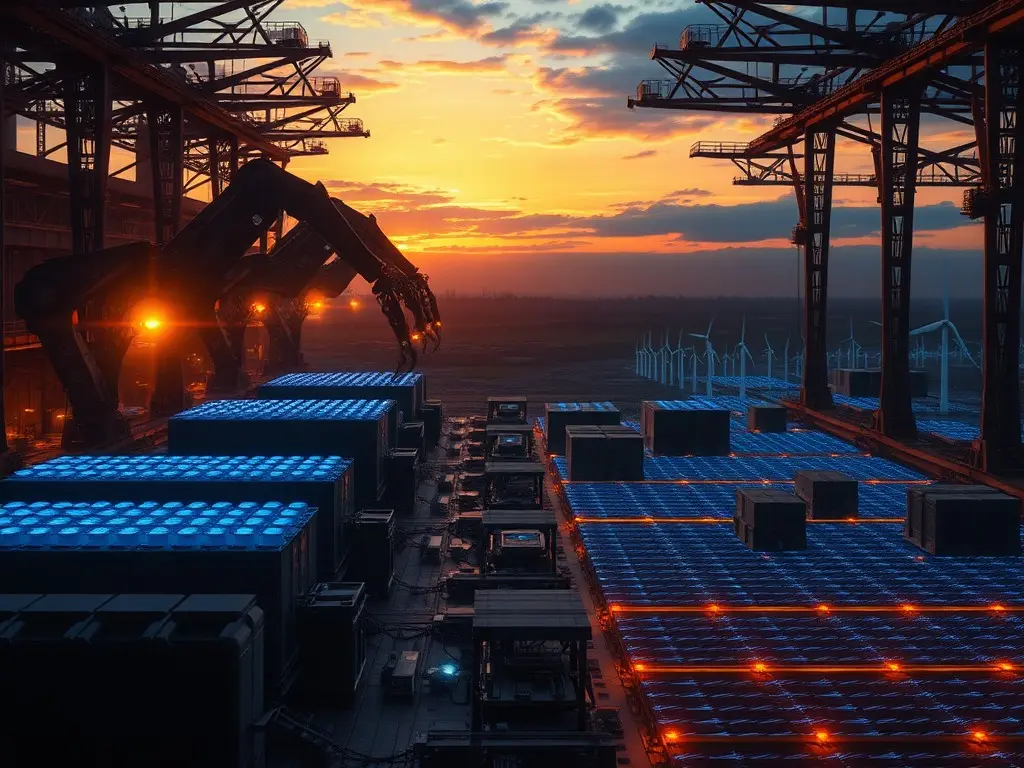
Ford Motor Co shares surged 44% in May, marking their best monthly gain in 17 years, driven by investor speculation around its battery storage business and AI infrastructure demand. Analysts like Morgan Stanley’s Andrew Percoco predict Ford Energy could be worth $10 billion, though critics warn the company won’t profit until 2028 and fundamentals remain weak.
Ford Motor Co’s stock rose 44% in May, the largest monthly gain since April 2009, as investors bet on the automaker’s potential to benefit from AI-driven energy demand. The Dearborn, Michigan-based company’s shares hit their highest level since March 2022 after Morgan Stanley analyst Andrew Percoco projected Ford Energy could be worth $10 billion, citing deals with hyperscalers like data centers and utilities. The rally extended to eight straight winning sessions, Ford’s longest streak in three years, despite skepticism from portfolio managers like Joe Gilbert of Integrity Asset Management. Gilbert noted Ford’s battery storage business won’t turn profitable until 2028, calling the surge speculative. Ford Energy aims to supply battery storage systems, leveraging its EV expertise, though rivals like Tesla already dominate the sector with 13.5% of its 2025 revenue from energy storage. Analysts suggest Ford’s transformation reflects broader market trends, with investors favoring ‘AI adjacency’ plays over pure tech stocks. Ford’s valuation remains cheap at 10.2 times forward earnings, up 40% since late April but still below the S&P 500’s average of 21. However, critics like Gilbert argue the company’s core business lacks strength, warning fundamentals will ultimately determine long-term performance. The shift highlights how automakers are expanding beyond vehicles into energy, autonomy, and infrastructure, driven by AI infrastructure needs. Ford’s stock rally underscores investor appetite for industrial players tied to AI growth, even as analysts debate whether the gains are justified by current fundamentals.
This content was automatically generated and/or translated by AI. It may contain inaccuracies. Please refer to the original sources for verification.