All Those A.I. Note Takers? They’re Making Lawyers Very Nervous.
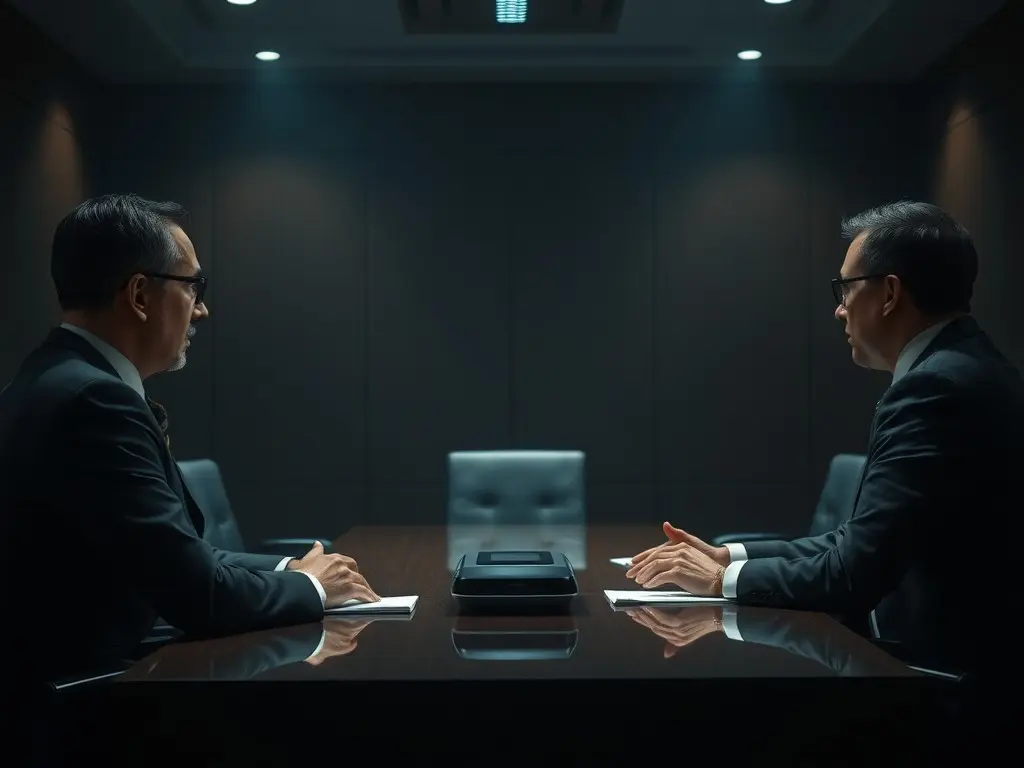
Lawyers like Jeffrey Gifford in San Antonio are increasingly banning AI note-taking tools from meetings due to legal risks, including potential violations of attorney-client privilege and discoverable offhand remarks. The New York City Bar Association warned last year that AI transcripts may introduce inaccuracies and lack discretion, posing legal dangers in lawsuits or investigations.
Lawyers are growing uneasy about AI note-taking tools that automatically record and transcribe meetings, raising concerns over legal risks. Jeffrey Gifford, a corporate governance lawyer at Dykema in San Antonio, now actively removes AI note-takers from virtual meetings, calling them a growing trend among executives and boards. These tools capture every word—including jokes, corrections, and offhand comments—creating potential legal exposure if shared or used in lawsuits. AI-generated transcripts often include details humans wouldn’t document, such as informal remarks that could be misinterpreted years later. A single misheard phrase, like ‘does matter’ instead of ‘doesn’t matter,’ could become problematic in court. The New York City Bar Association issued a formal opinion last year advising lawyers to weigh the risks before using AI recording tools, noting potential accuracy issues and the lack of discretion in capturing tangential discussions. Corporate lawyers also fear AI note-takers could void attorney-client privilege, making private conversations discoverable in litigation. Doug Raymond, a partner at Faegre Drinker Biddle & Reath, warned that unfiltered transcripts might not align with a board’s intended emphasis, creating legal vulnerabilities. For example, an executive’s exaggerated statement about ‘dominating’ a market could later be used in antitrust proceedings. Worst-case scenarios include AI transcripts revealing unintended admissions, such as risks acknowledged in passing during board meetings. Christoffer Lee, a white-collar defense lawyer at Pillsbury, noted that litigants often request all related communications, making AI-generated notes a potential goldmine for opponents. The trend underscores broader ethical and practical concerns as AI tools reshape workplace dynamics and legal strategies.
This content was automatically generated and/or translated by AI. It may contain inaccuracies. Please refer to the original sources for verification.