Amazon Now Has a Warehouse Robot That Understands Human Language
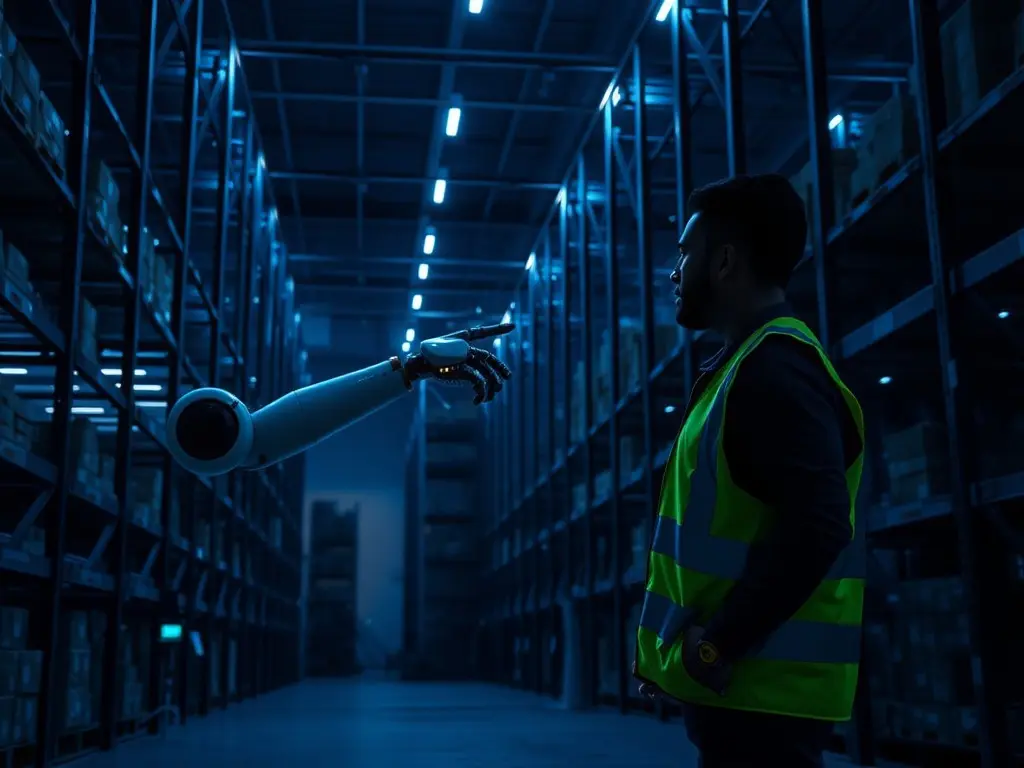
Amazon unveiled an upgraded Proteus robot at its Delivering the Future event in London, capable of understanding natural language commands from employees for task assignments. The new version will expand its use across Amazon’s European fulfillment centers, with deployment planned for early 2027, as part of a €10 billion investment in automation and workforce growth.
Amazon introduced an advanced version of its Proteus robot at its Delivering the Future event in London on Thursday. Unlike earlier models, the updated Proteus can now interpret human language, allowing employees to assign tasks conversationally instead of using technical commands. The robot will operate across more areas of Amazon’s facilities, including moving containers and packages weighing up to 400 kilograms (882 pounds). Originally launched in 2022, Proteus was Amazon’s first fully autonomous mobile robot designed for docks and fulfillment centers. The new iteration expands its functionality, enabling it to prioritize tasks, determine routes, and manage timing autonomously. Scott Dresser, vice president of Amazon Robotics, described it as an assistant for material movement in a company blog post. The upgrade is part of Amazon’s €10 billion ($11.6 billion) investment to modernize its European fulfillment operations. The company also announced plans to increase its European workforce by 25,000 over the coming years, alongside the robot’s deployment. Proteus is currently being tested in Amazon’s labs, with a rollout expected in Europe’s fulfillment centers by the first half of 2027. Amazon has previously faced criticism over automation potentially displacing workers. Internal documents leaked to *The New York Times* in 2023 suggested Amazon could avoid hiring 160,000 U.S. workers by 2027 due to automation. The company dismissed these claims as incomplete, stating they reflected only one team’s perspective and not its broader hiring strategy. Amazon emphasized that the Proteus upgrade aims to enhance efficiency while supporting job creation in Europe.
This content was automatically generated and/or translated by AI. It may contain inaccuracies. Please refer to the original sources for verification.