AMD Carries x86 Into Robotics and Cars With Ryzen AI Embedded, Challenging Arm-Based Rivals
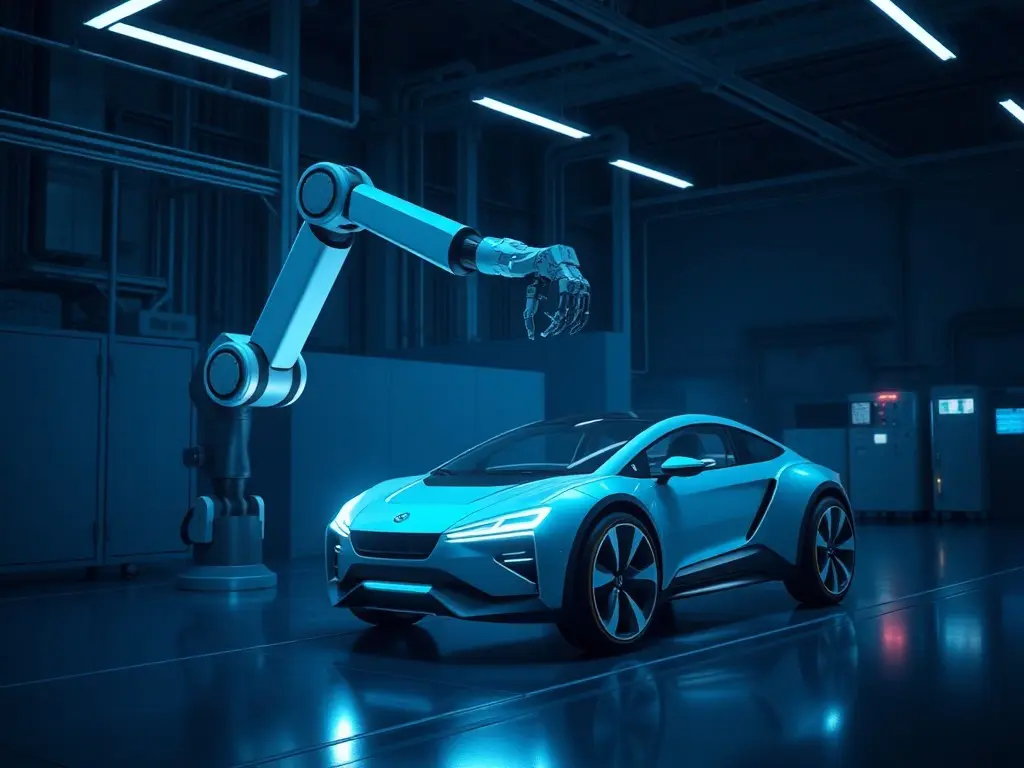
AMD launched its Ryzen AI Embedded P100 and X100 series chips at an event in Seoul, targeting robotics and automotive markets by integrating x86 CPUs, GPUs, and NPUs into a single package to compete with Arm-based rivals like Nvidia and Qualcomm. The company claims its unified design reduces power consumption and footprint, positioning x86 as a viable alternative for AI-driven embedded systems despite Arm’s dominance in power efficiency and software ecosystem maturity.
AMD expanded its embedded AI lineup this year with the Ryzen AI Embedded P100 and X100 series, unveiled at CES in January. The chips combine Zen 5 x86 CPU cores, RDNA 3.5 GPU, and XDNA 2 NPU for up to 50 TOPS of AI acceleration, targeting automotive infotainment, industrial automation, and autonomous systems. At the 'AMD x86 Embedded Solutions Day' in Seoul on June 10, Lee Hee-man, head of Korea sales for AMD’s Adaptive and Embedded Computing Group, highlighted the company’s 7,000 global embedded customers, including automotive, healthcare, and satellite sectors. The single-chip design addresses key embedded challenges: limited board space, power constraints, and heat management. AMD argues its architecture balances AI processing, graphics, and control tasks more efficiently than multi-chip solutions, enabling longer battery life in robots and reducing system costs. The P100 focuses on in-vehicle infotainment and industrial automation, while the X100 targets high-demand applications like autonomous systems, directly competing with Nvidia’s Jetson Thor and Qualcomm’s Snapdragon Digital Chassis. Despite Arm’s industry dominance in edge AI—backed by Nvidia’s DRIVE and Qualcomm’s Snapdragon platforms—AMD leverages x86’s developer familiarity and raw compute power. The company aims to offset Arm’s efficiency advantage by offering a unified solution, particularly in the growing physical AI market, valued at roughly 430 billion euros by 2030. Strategy& analysis identifies automotive as the largest segment, where AMD’s chips could disrupt traditional Arm-based workflows. AMD’s push into embedded robotics and automotive hinges on proving x86 can match Arm’s power efficiency while delivering superior integration. The Ryzen AI chips’ success depends on adoption in battery-powered devices, where reduced footprint and heat output are critical. Competitors like Nvidia and Qualcomm remain entrenched, but AMD’s strategy targets developers already invested in x86 ecosystems, potentially accelerating market penetration.
This content was automatically generated and/or translated by AI. It may contain inaccuracies. Please refer to the original sources for verification.