America 250: Years of changing perceptions on mental health and how to treat it
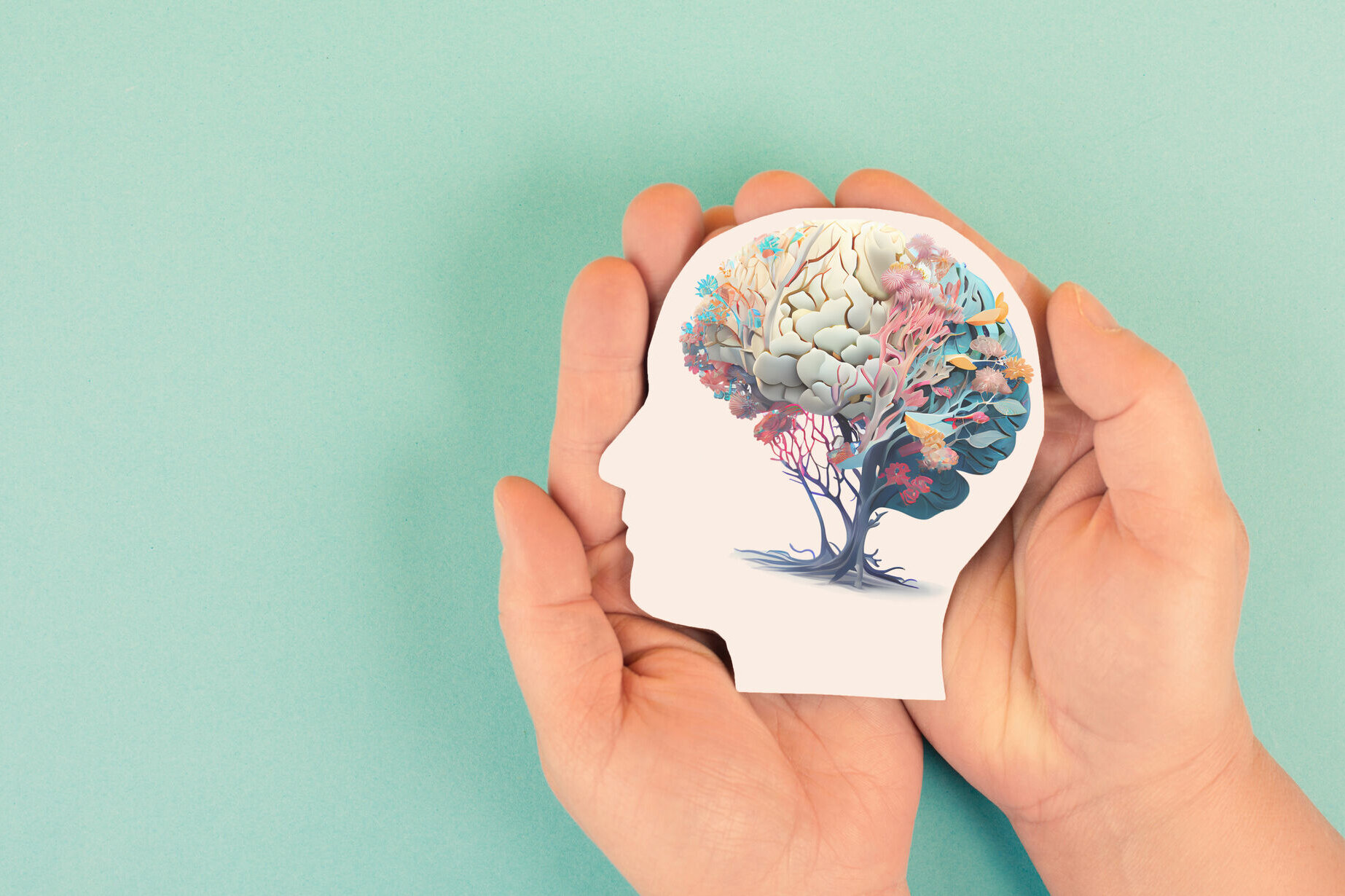
The understanding of mental health in the United States has shifted drastically over the past 250 years, from being widely misunderstood and stigmatized to being a cornerstone of public health. Today, mental health is recognized as closely connected to physical well-being, and society has made significant progress in addressing the issue, including greater access to treatments and medications.
Mental health has been widely misunderstood throughout history. In earlier societies, people experiencing mental illness were often isolated or subjected to extreme interventions. In the 18th and 19th centuries, mental illness was addressed through institutionalization in state mental hospitals. However, these hospitals were often overcrowded with poor living conditions. The 20th century saw reformers like Clifford Beers spark a national movement through his own lived experiences. Beers endured and observed severe mistreatment in institutions, inspiring him to launch a reform movement. Mental Health America was born out of this movement, and it has continued to evolve over time. In 1949, Mental Health America launched Mental Health Week, which later became Mental Health Month. Today, mental health is recognized as closely connected to physical well-being. Individuals with depression are more vulnerable to chronic conditions, and chronic stress can further impact the body. Recent research also points to a link between mental and oral health, with findings linking mental health conditions to tooth loss and periodontal disease.
This content was automatically generated and/or translated by AI. It may contain inaccuracies. Please refer to the original sources for verification.