Americans still feel pessimistic about the economy. When will it get better?
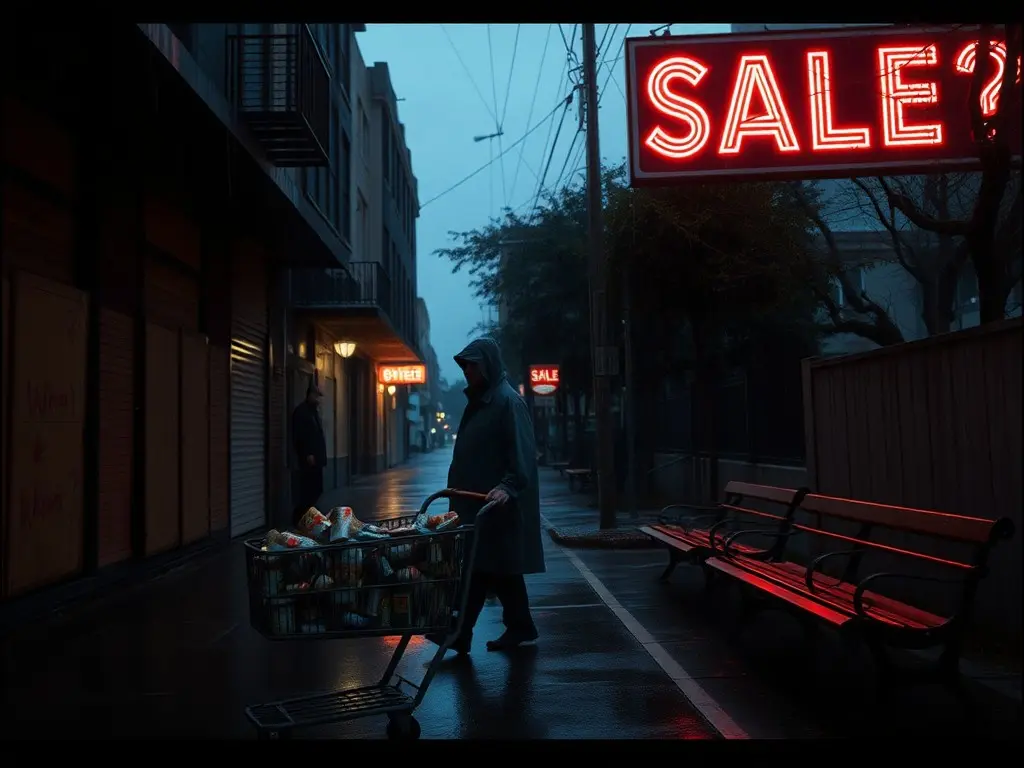
American consumer sentiment hit record lows in May 2026, according to the University of Michigan Surveys of Consumers, with economists citing prolonged inflation and economic shocks as key factors. Despite cooling inflation rates, Americans remain focused on cumulative price increases, with high costs driving pessimism about financial improvement since the Covid pandemic began over six years ago.
American consumer confidence reached all-time lows in May 2026, according to preliminary data from the University of Michigan Surveys of Consumers. The decline reflects persistent pessimism about the economy, which has lingered since the Covid pandemic began over six years ago, with households showing no signs of regaining financial optimism. Economists attribute the downturn to years of rapid price increases, despite annual inflation cooling closer to the Federal Reserve’s 2% target. Consumers remain fixated on cumulative price growth, with Cleveland Fed President Beth Hammack noting that inflation over the past decade has effectively occurred in half that time. High prices have driven most of the drop in consumer sentiment since 2019, according to PNC Financial Services analysis, with inflation becoming a dominant concern in daily life. Google search data shows record interest in the term 'inflation' earlier this year, reflecting widespread anxiety over rising costs. Economists like Yelena Shulyatyeva of the Conference Board describe the situation as a series of economic shocks, from the pandemic to wars and tariffs, leaving consumers without relief. The share of respondents blaming inflation for their financial outlook surged after 2020, reinforcing its role in shaping economic perceptions. While policymakers track inflation over 12-month periods, consumers focus on long-term price trends, making even slight improvements feel insignificant. Economic commentator Kyla Scanlon highlights the disconnect, noting that while inflation is easing, everyday expenses like groceries remain elevated. This mismatch between data and lived experience has deepened financial insecurity, contributing to a prolonged vibecession marked by stagnant confidence.
This content was automatically generated and/or translated by AI. It may contain inaccuracies. Please refer to the original sources for verification.