Amid India-Pakistan arms race, concerns grow for more frequent clashes
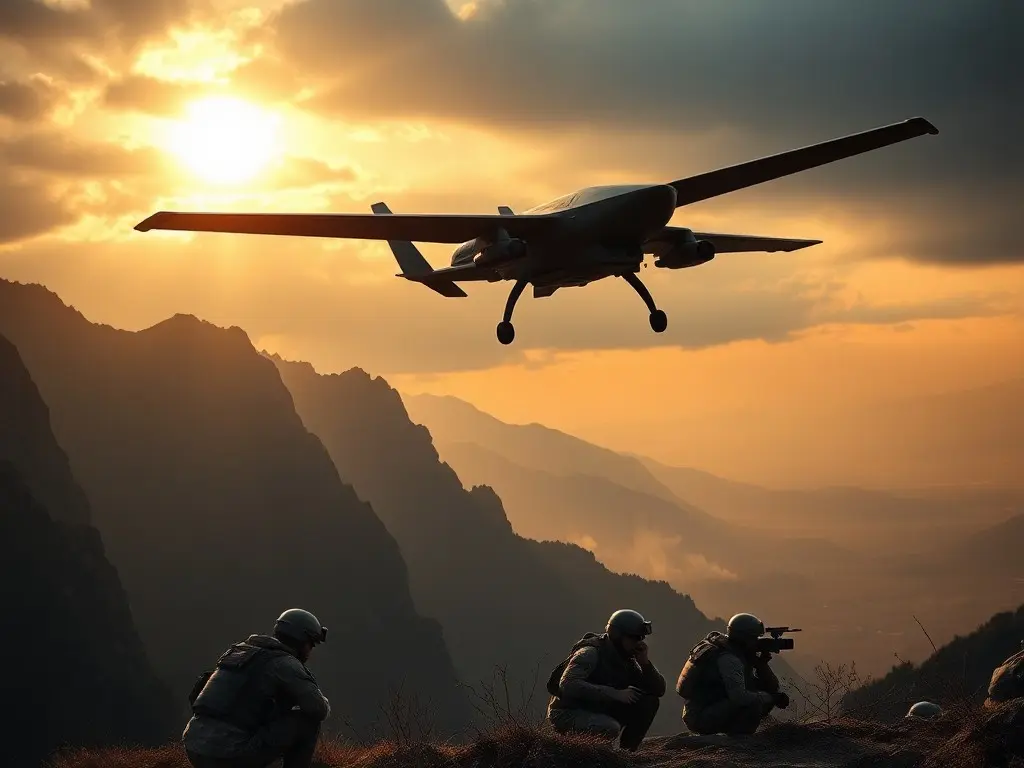
India and Pakistan are escalating their military spending and investing in drones, precision missiles, and AI-driven surveillance, raising fears of more frequent conflicts despite a 2025 ceasefire. India’s defense budget grew 8.9% to $92.1 billion in 2025, while Pakistan’s rose 11% to $11.9 billion, with both planning further increases for 2026-2027, experts warn this could lower the threshold for confrontation between nuclear-armed rivals.
India and Pakistan are accelerating an arms race following last year’s brief but intense missile exchange, which ended with a ceasefire on May 10, 2025. Both nations are expanding investments in drones, precision missiles, air defense systems, and AI-assisted surveillance technologies, which played a key role in the 2025 clash. According to the Stockholm International Peace Research Institute, India’s military expenditure rose 8.9% in 2025 to $92.1 billion, while Pakistan’s defense budget grew 11% to $11.9 billion. Both countries plan further increases of 15.2% and 13.5%, respectively, for 2026-2027. The shift toward advanced military technologies is raising concerns about future confrontations. Experts argue that the new focus on faster, less predictable warfare—such as drone swarms and precision strikes—could lower the threshold for conflict between the nuclear-armed rivals. Praveen Donthi, a senior India analyst at the International Crisis Group, described the India-Pakistan relationship as 'crisis-prone,' noting that last year’s ceasefire triggered a race for defense acquisitions based on lessons from the recent clash. Last year’s conflict marked a sharp escalation from previous crises, with both sides using long-range precision missiles and modern fighter jets in strikes closer to civilian areas. For the first time, surveillance and combat drones operated far from traditional front lines, though neither state used fully autonomous weapons. Artificial intelligence assisted in surveillance and drone coordination, compressing reaction times and reducing human decision-making in military engagements. The concern stems from the 'stability-instability paradox,' where nuclear deterrence reduces the risk of full-scale war but increases the likelihood of smaller conflicts. New technologies could make these clashes more frequent, destructive, and harder to control. Michael Kugelman, a senior fellow for South Asia at the Atlantic Council, highlighted that the 2025 conflict—triggered by a militant attack in Indian-administered Kashmir—demonstrated a dangerous shift in weapon sophistication and geographic reach.
This content was automatically generated and/or translated by AI. It may contain inaccuracies. Please refer to the original sources for verification.