An AI data center project for western Kansas might use less water than irrigation farming
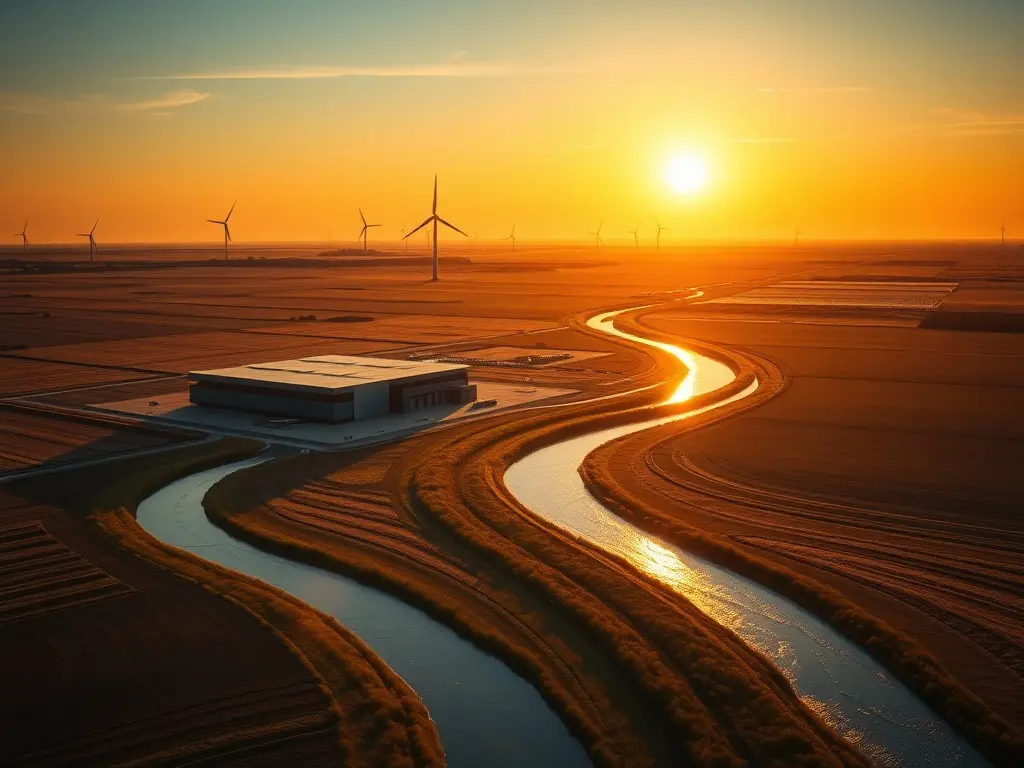
Triple Oak Power, an Oregon-based company, plans to build an AI data center in western Kansas using 600 million gallons of water annually, significantly less than the 3.2 billion gallons currently used for irrigation on the same 6,000-acre farmland. The project includes solar panels, wind turbines, and a natural gas plant, but faces local skepticism over water usage and environmental impact despite claims of conservation benefits.
Triple Oak Power, an Oregon-based company, is proposing to construct an AI data center in Finney County, Kansas, on 6,000 acres of farmland near Garden City. The project would use 600 million gallons of water annually, much less than the 3.2 billion gallons currently consumed by irrigation on the same land, according to local authorities. The company claims the data center would employ direct evaporative cooling, primarily relying on air cooling but using water only during the hottest months. The facility would be powered by a combination of solar panels, wind turbines, and a natural gas plant, positioning itself as a lower-water-use alternative to existing agricultural practices. Ann Gravatt, Triple Oak’s external affairs director, emphasized that the data center’s water consumption would be half of what the land’s current irrigation demands. However, the proposal has sparked debate, as data centers are often criticized for their high water and energy demands. Locals like Jesse Gronner express concern about the Ogallala Aquifer’s decline, a critical water source for the region’s agriculture. Despite recent irrigation efficiencies, the aquifer’s depletion remains a pressing issue. The project’s potential economic benefits, including jobs and infrastructure upgrades, must be weighed against environmental and water-use concerns. The data center proposal comes amid a surge in AI-driven infrastructure investments, with U.S. companies spending $61 billion on data center construction last year. Triple Oak’s plan reflects a broader trend where companies seek locations with lower water demands, even if they still face opposition from communities wary of industrial development. Gronner acknowledged the project’s disruptive nature but stressed transparency, noting that understanding the specifics is key to public acceptance. The company’s use of renewable energy sources alongside natural gas aims to mitigate environmental impact, though skepticism persists among residents who prioritize preserving the aquifer for agriculture.
This content was automatically generated and/or translated by AI. It may contain inaccuracies. Please refer to the original sources for verification.