An exhibition explores deep cultural ties between India and Iran
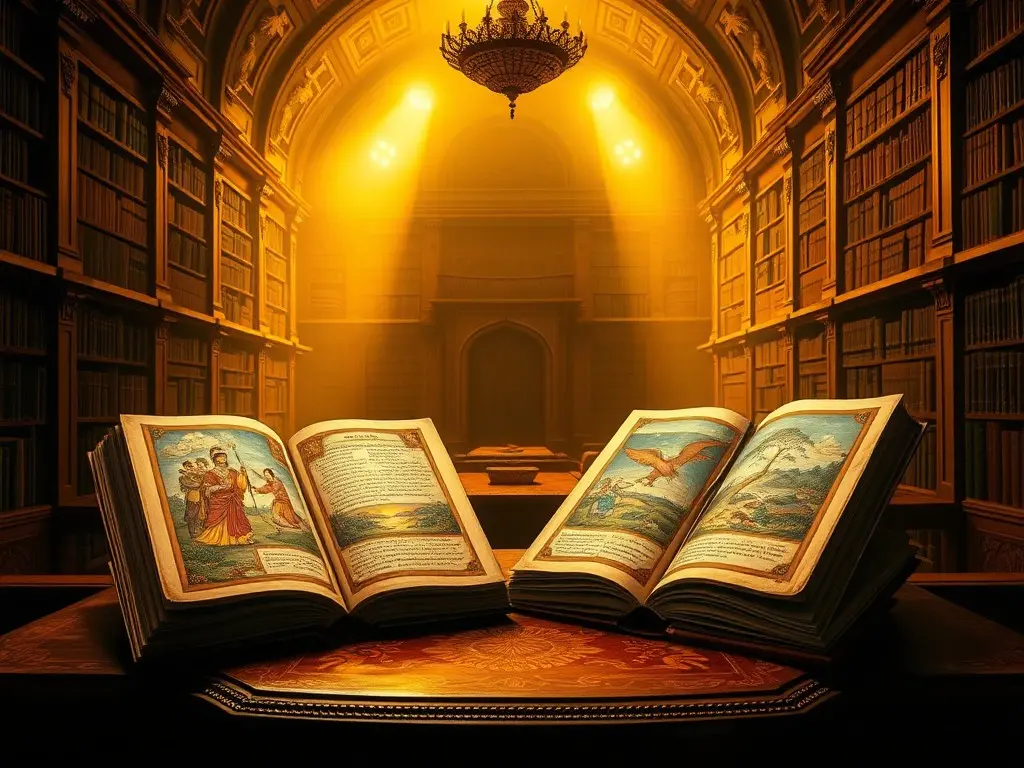
The exhibition ‘Shared Epic Worlds: The Shahnameh, the Mahabharata, and the Indo-Persian Imagination’ at Sunder Nursery explores centuries-old cultural exchanges between India and Iran through manuscripts, paintings, and stories. Curated by Shahab Khajeh Piri, the show compares themes from the Persian *Shahnameh* and the Indian *Mahabharata*, highlighting shared motifs like war, kingship, and moral dilemmas, with support from the Aga Khan Trust for Culture and Iran Culture House.
An exhibition titled *Shared Epic Worlds: The Shahnameh, the Mahabharata, and the Indo-Persian Imagination* opened at Sunder Nursery in New Delhi, running until June 4. Organized with support from the Aga Khan Trust for Culture, the Noor International Microfilm Centre, and the Iran Culture House, the show examines the deep historical and cultural ties between India and Iran through manuscripts, paintings, and epic narratives. At its core, the exhibition centers on the *Shahnameh*, the 10th-century Persian epic by Abul-Qasim Ferdowsi, comprising nearly 60,000 couplets. It compares the *Shahnameh* with the *Razmnama*—a Persian translation of the *Mahabharata*—focusing on shared themes of war, kingship, loyalty, and moral struggles. Curator Shahab Khajeh Piri, Deputy Director of the Noor International Microfilm Centre, emphasized how these epics influenced each other through trade, politics, and royal patronage, noting that *Shahnameh* manuscripts were preserved in Mughal royal libraries. Eighteen panels in the exhibition draw parallels between key figures, such as Rustam from the *Shahnameh* and Arjuna from the *Mahabharata*, both warriors facing tragic moral choices. Another panel contrasts the mythical birds Simurgh (Iranian tradition) and Garuda (Indian tradition), both serving as divine helpers in times of crisis. An illustration from the Walters Museum, *Rustam Kills a Dragon*, is also featured, showcasing the artistic connections between the two cultures. Speaking at the opening, Fariduddin Farid Asr, Cultural Counsellor of the Islamic Republic of Iran, described the *Shahnameh* as a timeless work rooted in universal human emotions. He noted that Ferdowsi’s epic introduced the idea that even ordinary people could achieve greatness, shifting focus from kings and champions to broader societal values. Fathali, Ambassador of the Islamic Republic of Iran, added that the *Shahnameh* reflects deep moral and identity ties, written during a period when Persian culture needed revival. Sharif Husain Qasemi, Former Dean of the Faculty of Arts at the University of Delhi, called the *Shahnameh* the ‘national book of Iran’ and highlighted its enduring presence in daily life. The exhibition also underscores the historical role of Persian as a key language in Indian royal courts, particularly under Emperor Akbar, who commissioned translations of Sanskrit texts like the *Mahabharata* into Persian. Artwork by Dhanu, depicting the *Razmnama*’s opening illustrations, further illustrates this cross-cultural exchange.
This content was automatically generated and/or translated by AI. It may contain inaccuracies. Please refer to the original sources for verification.