An Uncertain World Awaits the Reopening of the Strait of Hormuz
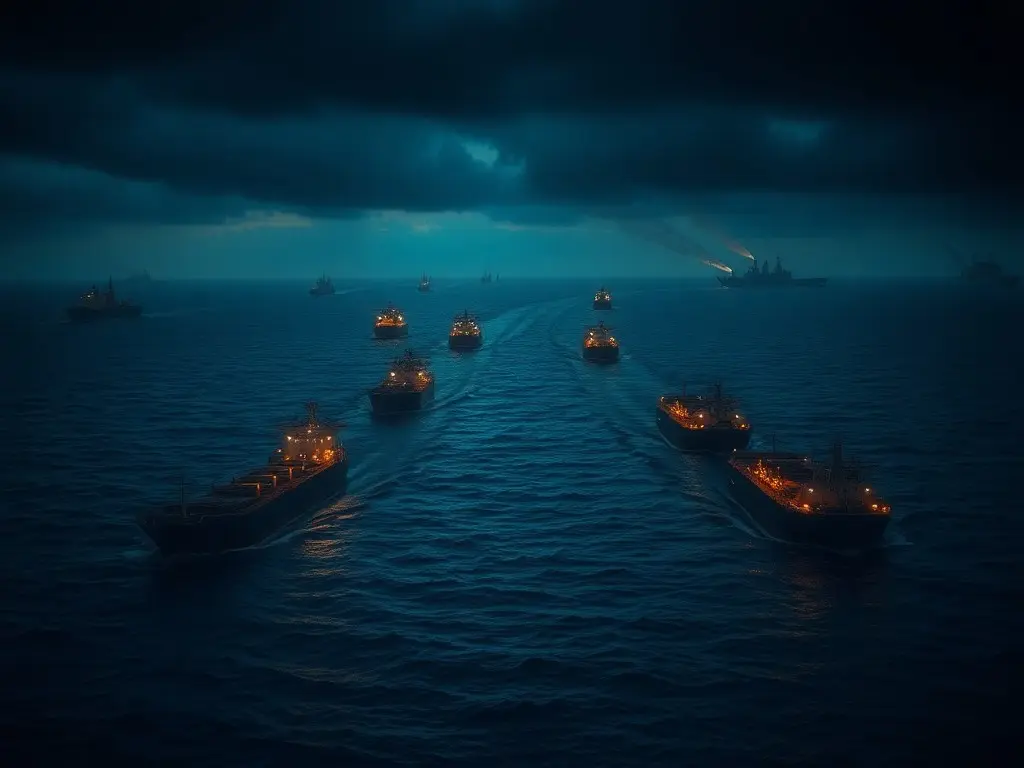
Fatih Birol of the International Energy Agency warned that the global energy crisis will persist until the Strait of Hormuz reopens, with Middle East oil production 14 million barrels below prewar levels. The conflict between the United States, Israel, and Iran has caused the largest supply disruption in global oil history, pushing up fertilizer costs and threatening food prices worldwide.
The International Energy Agency (IEA) has warned that the global economy remains vulnerable to energy shortages until the Strait of Hormuz, a critical waterway off Iran’s southern coast, fully reopens. Fatih Birol, the IEA’s executive director, stated that the conflict between the United States, Israel, and Iran has triggered the largest oil supply disruption in history, with Persian Gulf production down by over 14 million barrels per day compared to prewar levels. This has depleted global inventories at an unprecedented rate, exacerbating energy costs and indirectly driving up food prices due to rising fertilizer expenses. The IEA coordinated a 400-million-barrel oil reserve release among member nations in response to soaring prices, but Birol cautioned that further releases may be needed. Around 40 countries are following IEA recommendations to reduce energy demand, including subsidizing public transport and promoting remote work. Despite these efforts, Birol emphasized that without the Strait of Hormuz’s full reopening, economic damage will continue to escalate. The IEA, based in Paris, has historically acted as a counterbalance to OPEC, shaping global energy policies since the 1973 oil embargo. Birol predicted the current crisis will permanently alter energy flows and alliances, with nations prioritizing supply security over price. Middle Eastern exporters face long-term reputational damage as unreliable suppliers, while countries like Canada, Brazil, and Australia are being urged to boost exports to Asian markets seeking alternatives. Energy security will dominate policies in the coming years, with increased investment in renewables, nuclear, and coal to ensure stable supply. Nigeria recently requested closer ties with the IEA, seeking association status to collaborate on energy security, data, and policy—a first for an OPEC member. The crisis is reshaping global energy dynamics, with nations reassessing dependencies and strategies for long-term stability.
This content was automatically generated and/or translated by AI. It may contain inaccuracies. Please refer to the original sources for verification.