Ankara and Israel’s ‘War Complex’
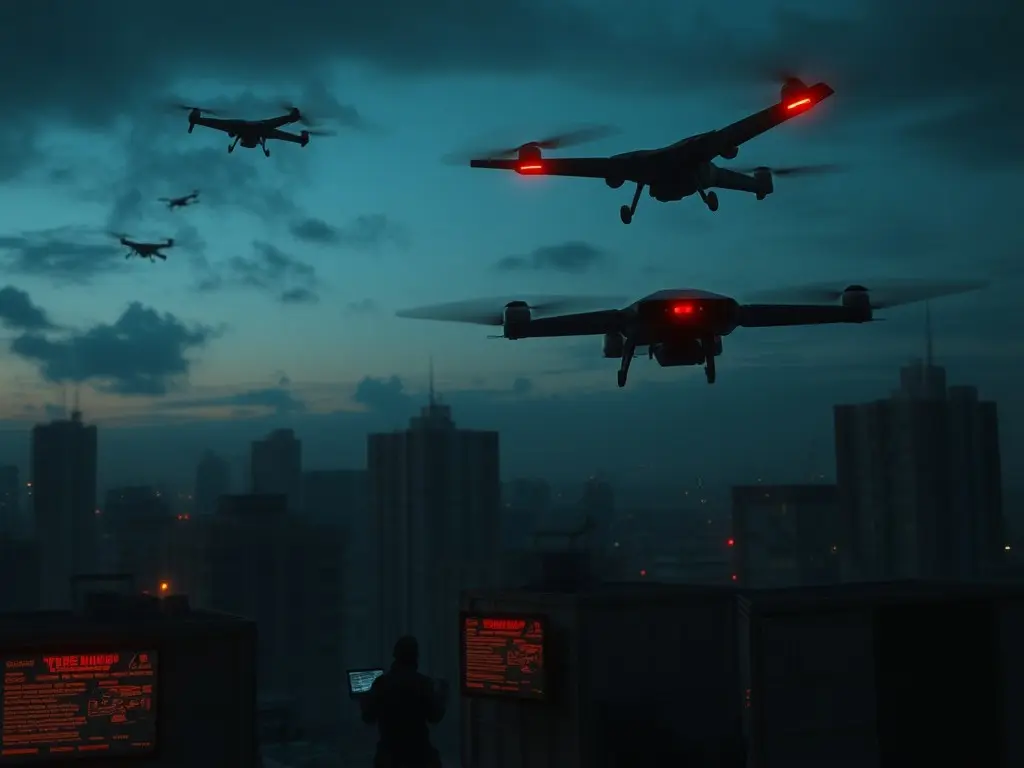
Turkey’s National Intelligence Academy recommended building deep shelters and cybersecurity measures in major cities, while Israeli officials and media warn of a Turkish threat, escalating tensions between the two nations. A retired Turkish general outlined a potential drone and missile strike scenario, highlighting mutual deterrence concerns amid geopolitical and strategic constraints.
Turkey’s National Intelligence Academy released a report in 2025 advising the construction of deep shelters in major cities and advanced cybersecurity measures to protect critical infrastructure, framing the need for preparedness in a multidimensional war environment. The report, issued less than four months after Israel’s Nagel Committee emphasized war preparations against Turkey, did not explicitly name Israel but referenced lessons from the U.S.-Israel conflict with Iran. Israeli officials and media have increasingly portrayed Turkey as a growing threat, with Prime Minister Benjamin Netanyahu accusing Ankara of supporting Iran’s alleged terrorist regime. Former Prime Minister Naftali Bennett labeled Turkey ‘the new Iran,’ intensifying rhetoric that Turkish Foreign Minister Hakan Fidan dismissed as an attempt by Israel to manufacture an enemy for domestic political consolidation. Turkish military experts suggest a potential confrontation with Israel, citing media narratives about a ‘Turkish threat’ requiring preemptive action. The Israeli government, including far-right Likud and opposition Zionist parties, appears divided over military doctrine and the perceived risks of further conflicts, such as those in Gaza, Lebanon, and Syria. A retired Turkish general outlined a hypothetical scenario where Turkey could deploy nearly 1,200 drones and 400 ballistic missiles in response to an Israeli strike, questioning Israel’s ability to mitigate losses. The exchange underscores mutual deterrence concerns, with both sides constrained by geographic and strategic factors that limit their ability to initiate hostilities. While tensions persist, international circumstances may prevent direct military confrontation, leaving both nations to navigate a delicate balance of threats and diplomacy. The rhetoric reflects deeper strategic uncertainties, with Israel prioritizing internal unity through perceived external threats and Turkey preparing for potential escalations in an evolving regional security landscape.
This content was automatically generated and/or translated by AI. It may contain inaccuracies. Please refer to the original sources for verification.