Another wave of inflation is headed for grocery stores
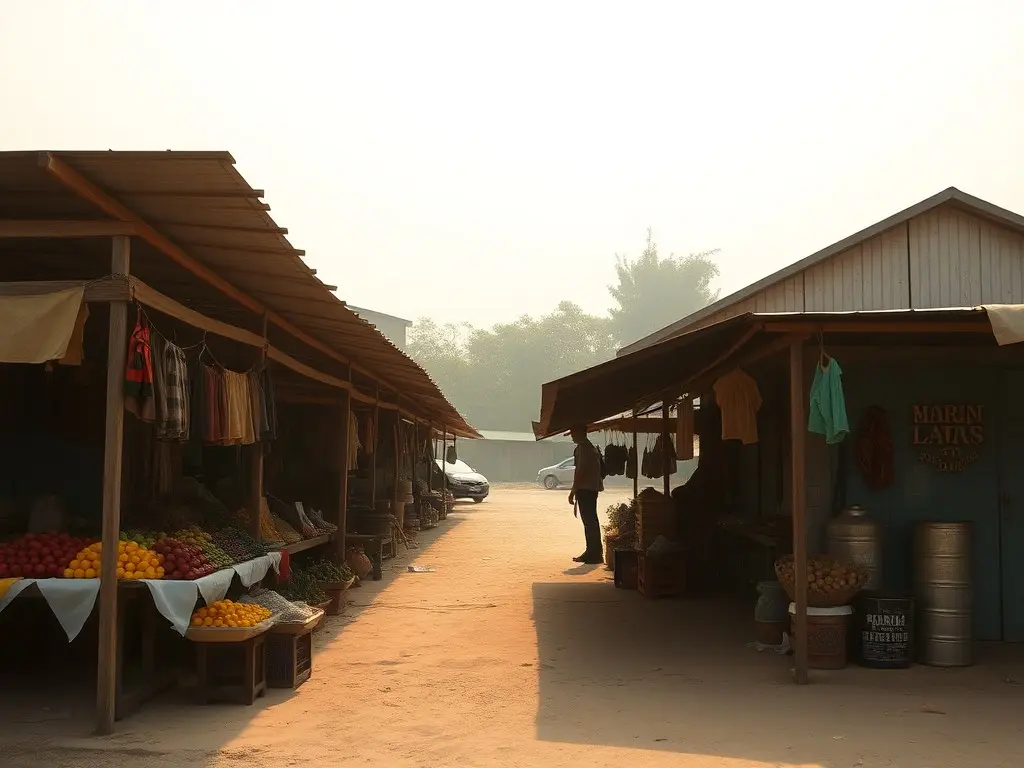
U.S. grocery prices are surging due to extreme weather, tariffs, and a shrinking cattle herd, with economists projecting 3.2% to 4.5% inflation in 2026. Record heat, drought, and trade policies—like tariffs on Mexican tomatoes—are worsening shortages of key crops like wheat and beef, while an emerging El Niño may prolong global supply pressures into 2027.
U.S. grocery prices are rising at the fastest pace in nearly four years, driven by a mix of extreme weather, trade policies, and a dwindling cattle herd. In April, food inflation spiked, and economists warn the Iran war and an emerging El Niño could prolong price pressures through 2027. The U.S. Department of Agriculture (USDA) projects a 3.2% increase in grocery prices this year, though some analysts like Ricky Volpe, an agribusiness professor at California Polytechnic State University, expect inflation closer to 4% to 4.5%. Record-breaking heat, hail, and wildfires have disrupted farming, with California’s snowpack at just 23% of normal levels, threatening irrigation for vegetables and fruits. Drought has also affected 70% of U.S. winter wheat production and 25% of corn crops, raising concerns about staple food shortages. Meanwhile, beef prices hit a record in April due to the smallest cattle herd in 75 years, while tomato prices surged 33% after winter storms damaged Florida crops and tariffs reduced Mexican imports. The rising costs are squeezing household budgets, particularly ahead of the November midterm elections. James Giese, a 62-year-old Wisconsin resident, has cut back on meat and prepared foods, even attempting to grow potatoes to offset expenses. Economists note that unlike gas prices, food inflation moves slowly, making it harder to reverse quickly. Trade policies and climate change are exacerbating the issue, with El Niño potentially bringing mixed effects—extra rain to California but drought to global growing regions for rice, coffee, and cocoa. The USDA’s latest food price outlook highlights the challenges ahead, as consumers brace for higher grocery bills through 2027.
This content was automatically generated and/or translated by AI. It may contain inaccuracies. Please refer to the original sources for verification.