Archaeologists Discover Prehistoric Mountain Cave Packed With Mysterious Green Mineral
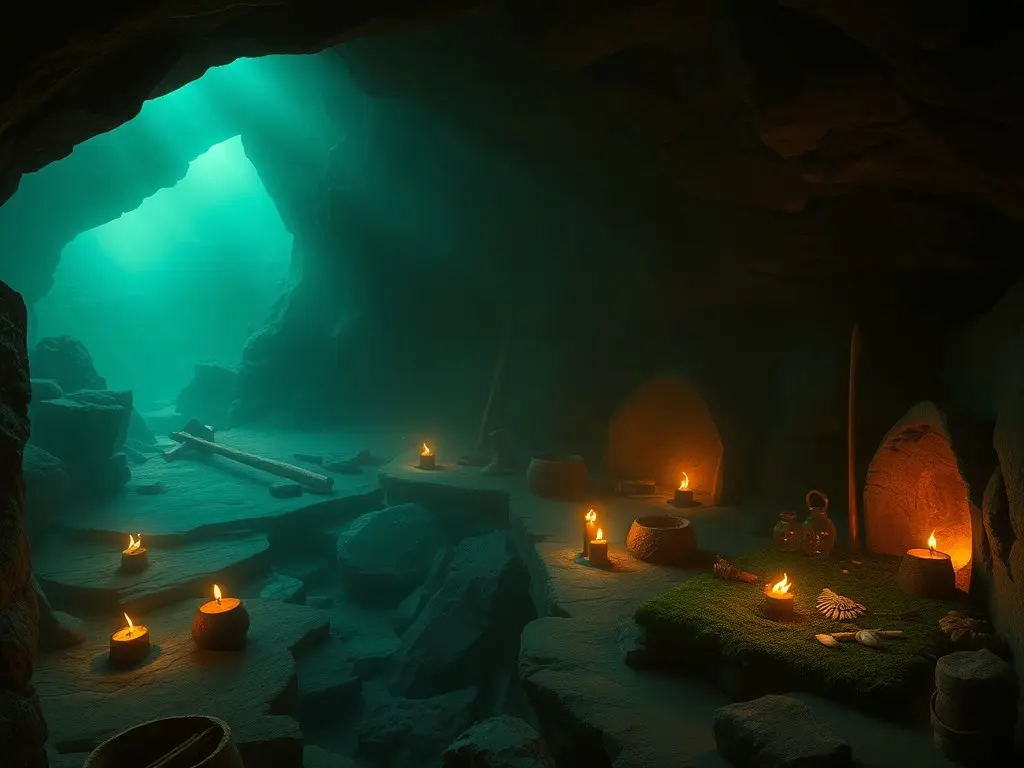
Archaeologists in the eastern Pyrenees discovered Cave 338, a high-altitude site used repeatedly for over 2,000 years, likely for early copper processing with malachite fragments and hearths. The excavation also revealed child remains, symbolic jewelry including shell and bear tooth pendants, and challenges assumptions about prehistoric high-mountain habitation patterns.
Archaeologists excavating Cave 338 in the eastern Pyrenees, at an elevation of 2,235 meters, found evidence suggesting it was a copper-processing site used intermittently for at least 2,000 years. The site, located in the Freser Valley, contains four occupation layers, with the oldest dating back around 6,000 years and containing only charcoal remains. The second and third layers, spanning from 5,500 to 3,000 years ago, include 23 hearths filled with crushed and burned green mineral fragments, likely malachite, indicating deliberate copper processing. Researchers identified the fragments as thermally altered, confirming intentional use of fire for processing rather than accidental burning. Radiocarbon dating shows repeated visits over long intervals, with the second layer dating to around 3,000 years ago and the third layer spanning 5,500 to 4,000 years ago. The findings contradict earlier beliefs that high-altitude environments were only briefly occupied by prehistoric communities. Human remains were also uncovered in the third layer, including a child’s finger bone and baby tooth from an individual around 11 years old, hinting at possible deeper burials within the cave. Two pendants—a shell pendant and a brown bear tooth pendant—were found in prehistoric contexts, likely dating to the second millennium BC. The shell pendant aligns with traditions in other Catalan sites, while the bear tooth pendant is rare and may hold symbolic significance tied to the local environment. Lead researcher Prof. Carlos Tornero of the Catalan Institute of Human Paleoecology and Social Evolution emphasized the site’s significance, noting the dense archaeological sequence and repeated use over millennia. Co-author Dr. Julia Montes-Landa of the University of Granada highlighted the deliberate processing of minerals, suggesting structured activities at the cave. The discovery reshapes understanding of prehistoric high-altitude habitation and resource use in the Pyrenees.
This content was automatically generated and/or translated by AI. It may contain inaccuracies. Please refer to the original sources for verification.