Are the Himalayan glaciers at a tipping point?
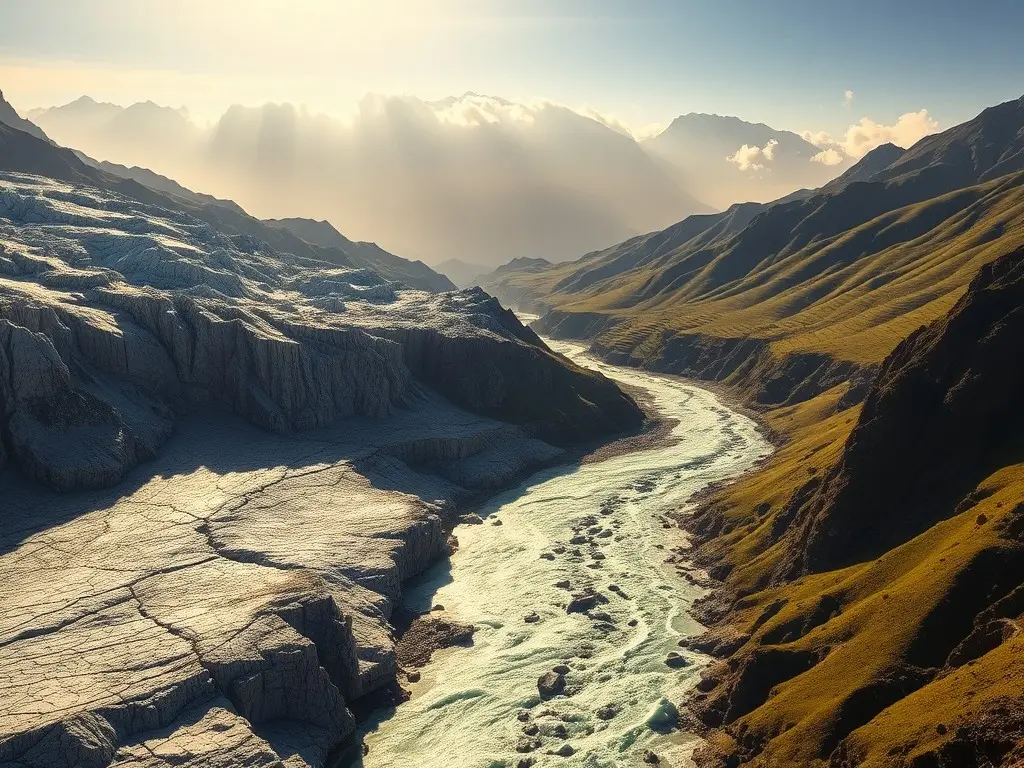
The Himalayan glaciers are melting faster due to rising global temperatures, increasing risks of floods, droughts, and avalanches while threatening freshwater supplies for millions across South Asia. Experts warn of severe ecological and livelihood consequences if glacier loss accelerates, prompting discussions on global response strategies.
The Himalayan glaciers, which store over two-thirds of the world’s freshwater, are melting at an accelerated rate due to rising global temperatures. This trend is contributing to the formation of unstable glacial lakes and heightening risks of floods, droughts, and avalanches across South Asia, a region that relies on glacial meltwater for agriculture, energy production, and tourism. Researchers warn that continued glacier loss could push ecosystems and communities in the Himalayan region toward a tipping point, with irreversible consequences. Pasang Yangjee Sherpa, an assistant professor at the University of British Columbia, Pam Pearson of the International Cryosphere Climate Initiative, Matthias Huss from the Swiss Federal Institute of Technology Zurich, and Alton Byers from the University of Colorado are among the experts examining these changes. The Himalayas serve as a critical water source for millions, supporting livelihoods and infrastructure. However, the rapid melting threatens to disrupt these systems, raising concerns about long-term sustainability. Discussions among scientists and policymakers focus on potential mitigation strategies to address the accelerating glacier retreat and its broader impacts on climate stability. The findings underscore the urgent need for global action to curb temperature rises and protect vulnerable regions dependent on glacial water. Without intervention, the consequences for both the environment and human populations in South Asia could become severe and irreversible.
This content was automatically generated and/or translated by AI. It may contain inaccuracies. Please refer to the original sources for verification.