Arizona monsoon 2026: Preparing for microbursts, flash floods, and haboobs
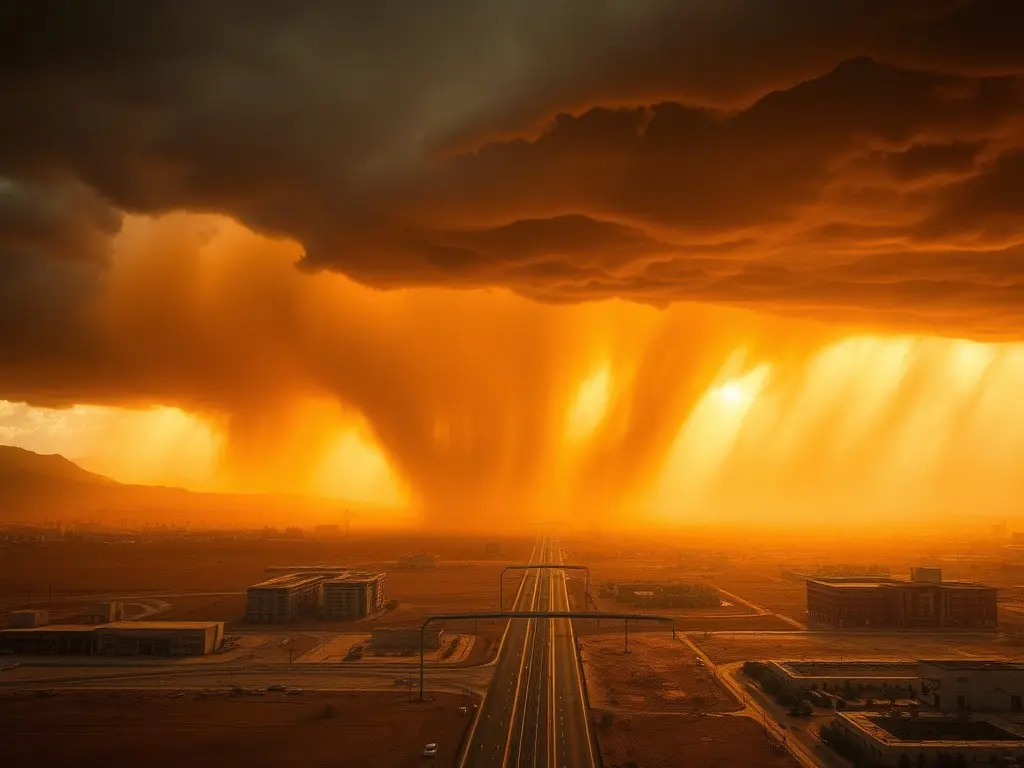
Phoenix officials are introducing a five-tier dust storm scale and 24 heat response measures ahead of Arizona’s 2026 monsoon season, which last year brought deadly flash floods, haboobs, and tropical storm remnants. Experts warn of recurring risks like microbursts and sudden downpours, citing 2025’s late-season extreme weather as a precedent for potential hazards in 2026.
Phoenix is preparing for the 2026 monsoon season with expanded safety measures, including a new five-tier dust storm scale developed by 13 organizations to classify haboobs using 22 sensors across the city. The scale aims to improve public warnings for intense dust storms, which often precede heavy rain and flash flooding. City officials also announced nearly two dozen heat response actions, such as 24-hour respite centers and extended library hours, to mitigate extreme heat risks during monsoon transitions. The monsoon season in Arizona is driven by seasonal wind shifts, bringing moisture from the Gulf of Mexico and Gulf of California after months of dry, west-flowing winds. This shift creates a high-pressure dome over Mexico that pushes moisture northward, fueling summer storms. However, the season remains unpredictable, as seen in 2025, when late August and September brought extreme weather, including a 50-mile-wide haboob in Phoenix and deadly flooding in Globe and Miami after over two inches of rain fell in an hour. Microbursts are among the most destructive monsoon hazards, forming when thunderstorm updrafts collapse, releasing intense winds that can damage infrastructure and pose risks to drivers. Last year’s remnants of tropical storms Priscilla and Raymond extended the monsoon’s impact into October, dumping heavy rain across Chandler, Tempe, and Scottsdale. Experts caution that 2026 could follow a similar pattern, with late-season storms remaining a threat. Phoenix’s new dust storm scale, backed by organizations like the National Weather Service, will categorize haboobs based on visibility and intensity, helping residents and authorities respond more effectively. The city’s heat response plan includes selective trail closures and cooling centers to protect vulnerable populations during extreme heat events, which often precede or follow monsoon activity. Last year’s monsoon demonstrated the unpredictability of the season, with dry conditions early on followed by severe storms in late August and September. Residents shared accounts of haboobs and flash floods, highlighting the need for preparedness. With the new safety measures in place, Phoenix aims to reduce risks while educating the public on monsoon dangers, including microbursts, lightning, and sudden flooding.
This content was automatically generated and/or translated by AI. It may contain inaccuracies. Please refer to the original sources for verification.