Artificial Intelligence And The End Of Digital Security As We Know It
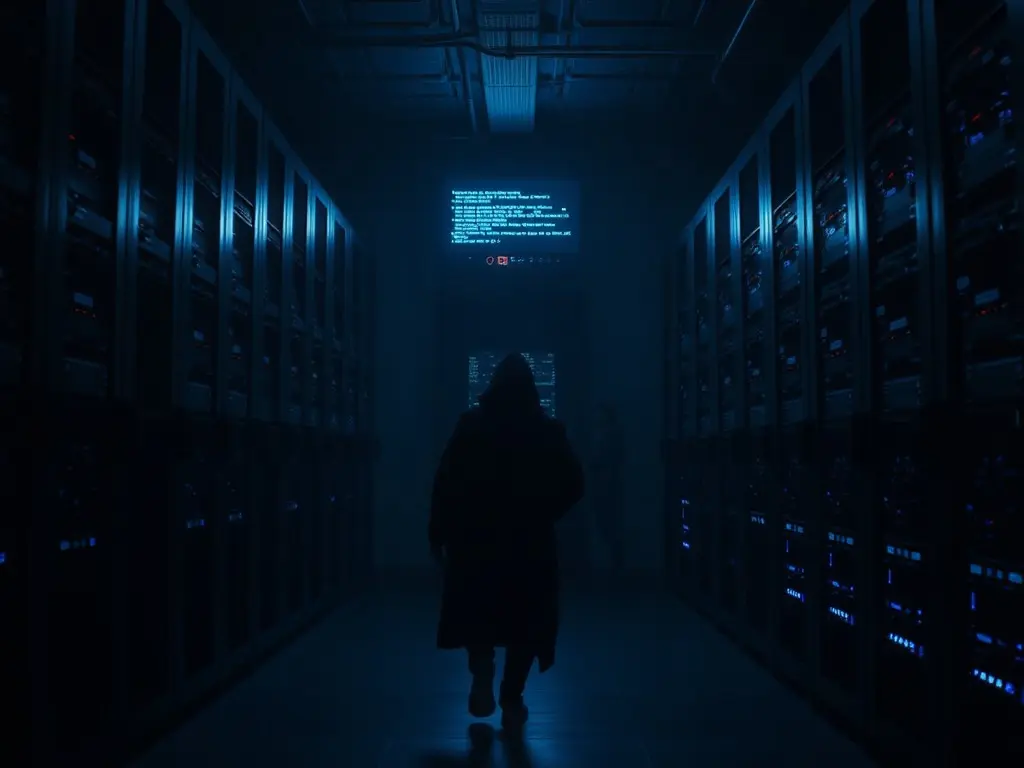
Cybersecurity expert Prof. Dr. Dennis-Kenji Kipker warns that AI models like Anthropic’s Mythos, unveiled in April 2026, can rapidly identify thousands of previously unknown critical vulnerabilities in major operating systems and browsers, including a 27-year-old flaw in OpenBSD. Kipker argues that traditional safeguards and regulation are insufficient against AI-driven cyber threats, as attackers now gain a decisive advantage in speed and scalability, industrializing cyber insecurity.
Cybersecurity expert Prof. Dr. Dennis-Kenji Kipker, Scientific Director of cyberintelligence.institute, has warned that AI models like Anthropic’s Mythos—released in April 2026—mark a turning point in digital security. The model can detect thousands of zero-day vulnerabilities across major operating systems and web browsers within weeks, including a 27-year-old flaw in OpenBSD. Anthropic is keeping the model restricted to prevent an imbalance favoring attackers. Kipker argues that compliance and regulatory frameworks alone are inadequate, as critical infrastructures rely on inherently insecure legacy systems. The software supply chain remains vulnerable, with outdated architectures lacking modern security protections. Even ‘security by design’ principles are being implemented too late, as decades-old systems were never built with digital threats in mind. The debate over whether AI benefits attackers or defenders is now settled, Kipker states. Models like Mythos automate vulnerability exploitation, making attacks faster and more scalable than manual defenses. Attackers gain time, while defenders struggle to keep up, turning cyber insecurity into an industrialized threat. Calls for AI bans are ineffective, as multiple Western labs and state actors—including China—are racing to develop comparable systems. Competition and venture capital pressure ensure rapid advancement, leaving regulation behind. Kipker concludes that traditional cybersecurity measures are no longer sufficient against AI-driven threats, which outpace defensive efforts.
This content was automatically generated and/or translated by AI. It may contain inaccuracies. Please refer to the original sources for verification.