As Hormuz Tensions Rise, Central Asia’s Role as Transit Hedge Grows
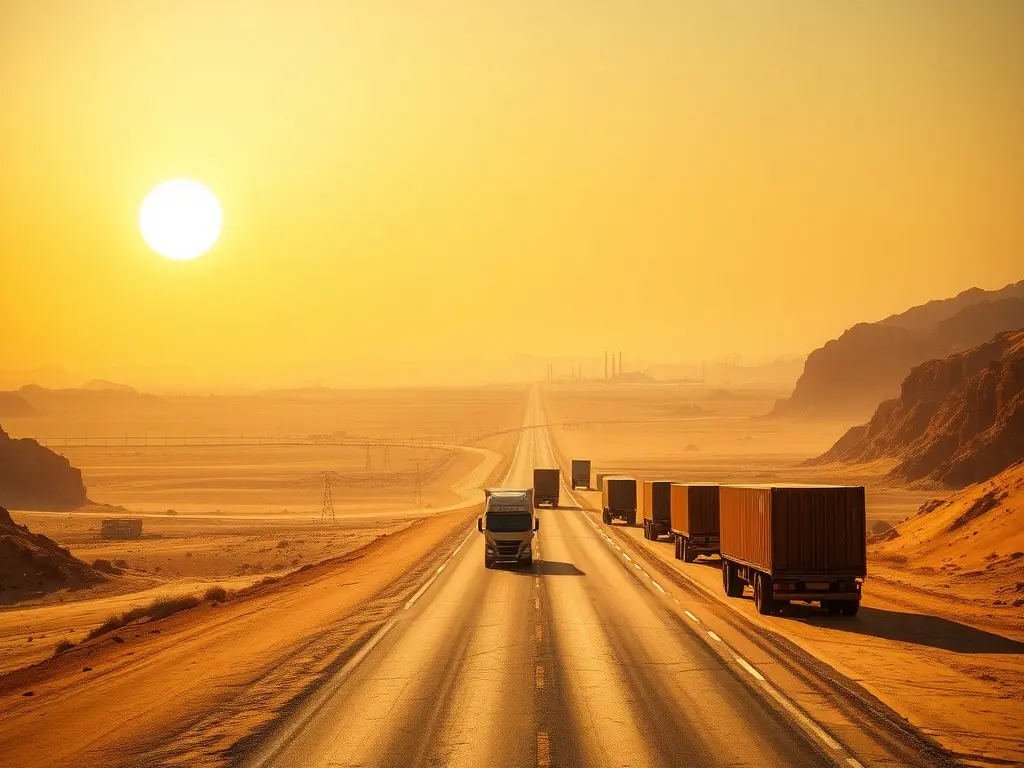
Jihad Azour, IMF’s Middle East and Central Asia director, said Central Asia’s overland routes like the Middle Corridor are becoming a ‘transit hedge’ amid rising risks in the Strait of Hormuz, though infrastructure and coordination remain challenges. For oil exporters like Kazakhstan, higher prices offer short-term gains but also inflation risks, requiring monetary and fiscal policy adjustments to maintain stability.
Central Asia is shifting from a secondary transit option to a strategic ‘transit hedge’ for global trade and energy flows as tensions in the Strait of Hormuz escalate, according to Jihad Azour, director of the IMF’s Middle East and Central Asia Department. Speaking to *The Astana Times*, Azour highlighted that rising maritime risks and costs are pushing businesses and governments to reassess overland routes, particularly the Middle Corridor across the Caspian Sea. While this presents an opportunity for resilience, he warned that infrastructure limitations and cross-border coordination—such as customs harmonization—must improve to compete with maritime efficiency. Azour emphasized that the Middle Corridor is no longer just theoretical but a viable alternative, allowing firms to diversify supply chains. However, scaling up infrastructure, strengthening institutional cooperation, and enabling private-sector logistics integration are critical to unlocking its full potential. The geopolitical shifts also impact energy markets, where Kazakhstan—an oil exporter—faces a double-edged scenario: short-term economic benefits from higher prices but long-term inflation risks. For Kazakhstan, elevated oil prices could boost fiscal and external balances, though Azour cautioned that prolonged volatility may transmit inflation globally. To mitigate domestic price pressures, he advised maintaining macroeconomic stability through monetary policy tools, such as adjusting interest rates, and disciplined fiscal management to curb non-oil spending. The duration of the crisis and its impact on international prices remain key uncertainties. The IMF described Central Asia’s growth as resilient, though structural gaps persist. Azour noted that while demand shifts could attract investment in energy sectors outside the Gulf, financial conditions and global demand risks may offset gains. The region’s ability to capitalize on its transit role hinges on addressing infrastructure bottlenecks and fostering regional collaboration.
This content was automatically generated and/or translated by AI. It may contain inaccuracies. Please refer to the original sources for verification.