As international graduate student enrollment falls, US schools scramble to fill the hole
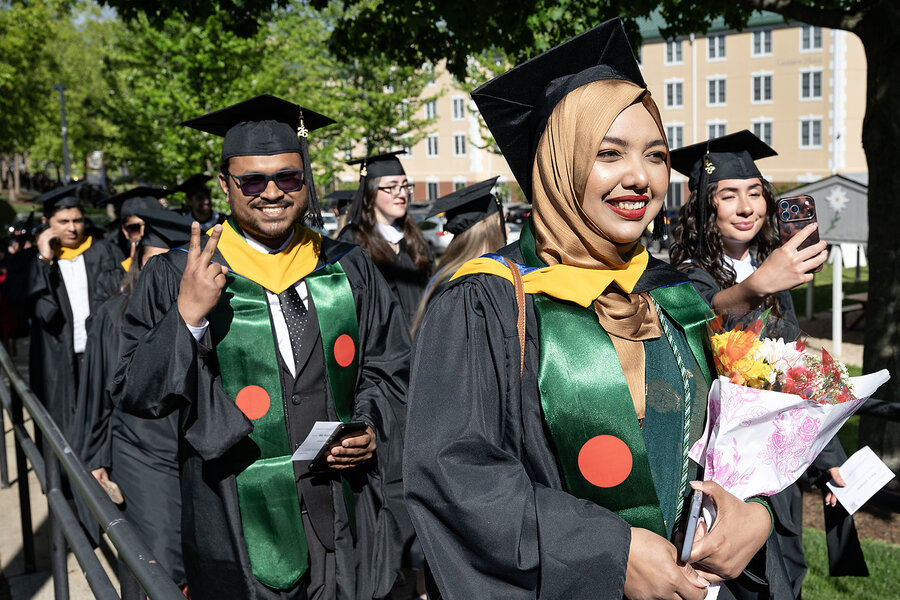
U.S. universities, including the University of New Haven and DePaul University, report sharp declines in international graduate student enrollment—down 17% nationwide—due to restrictive visa policies and travel bans under the Trump administration. The losses have forced budget cuts, layoffs, and program eliminations, with schools like USC and New Haven facing multi-million-dollar revenue gaps and staff reductions.
The University of New Haven in Connecticut held its last large-scale international graduate student commencement ceremony, marking a steep decline in enrollment after losing 3,000 foreign students over two years. The school’s graduate programs in engineering, business, and public health now expect only dozens of new international students this fall, creating a $35 million budget shortfall—17% of its revenue—that led to job cuts, program eliminations, and frozen retirement contributions. DePaul University in Chicago saw a 30% drop in international students, including a 62% decline in first-year graduate enrollments, prompting staff layoffs and hiring freezes. The University of Southern California also faced sharp enrollment losses, federal funding cuts, and a structural deficit, resulting in over 1,000 layoffs. Nationwide, new international student enrollments fell 17% last fall, with visa concerns and travel restrictions cited as primary factors, according to the Institute of International Education. University of New Haven President Jens Frederiksen attributed the decline to tightened visa policies even before the Trump administration’s 2024 election, noting consular officials appeared to restrict availability in anticipation of stricter rules. The Trump administration expanded visa bans to 39 countries, revoked over 8,000 student visas—some for criminal offenses, others for pro-Palestinian protests—and required foreign applicants to disclose social media accounts for vetting. Additionally, billions in federal grant funding were terminated or frozen, disrupting research collaborations and prompting international students to seek alternatives abroad. Concerns also persist over potential restrictions to the post-graduation work visa program, which allows foreign students three years of employment in the U.S.
This content was automatically generated and/or translated by AI. It may contain inaccuracies. Please refer to the original sources for verification.