As Iran war sends oil prices soaring, some see fresh potential for solar in Japan
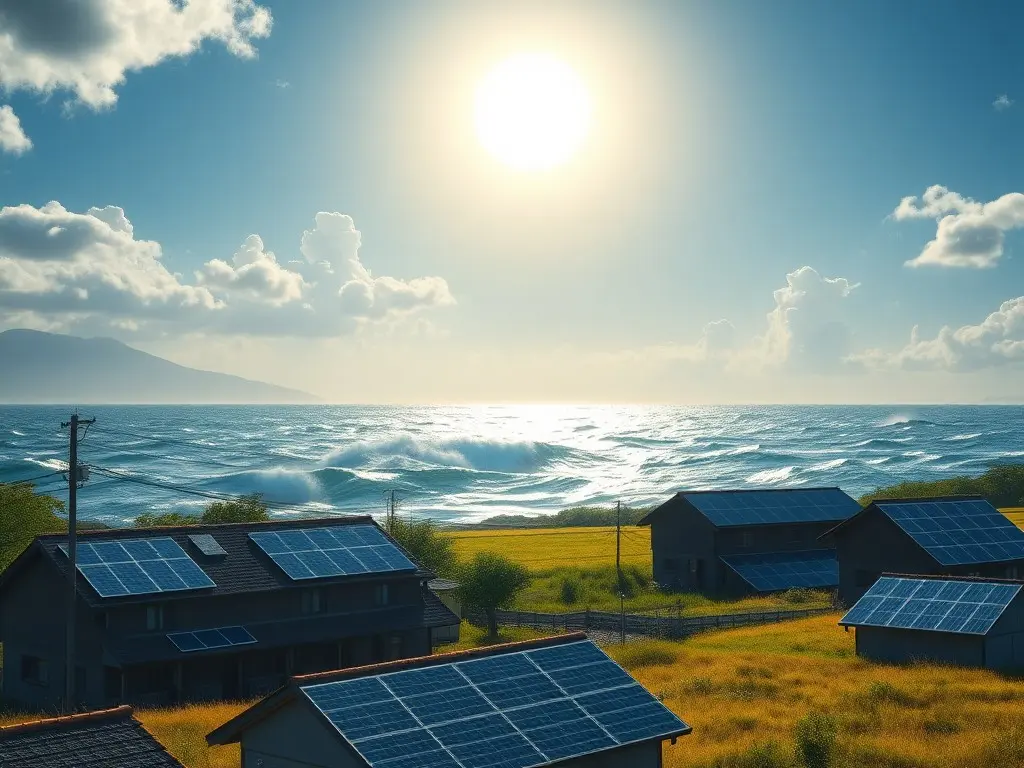
Japan's energy policy is not shifting significantly towards renewable energy despite the Iran war and soaring oil prices. The government has stepped up regulations against megasolar projects and stopped offering subsidies for newly installed industrial-use solar panels from April 2027.
Japan's heavy dependence on oil from the Middle East could have been expected to drive a pivot to renewable energy amid the Iran war. However, two months into the conflict, a significant change in energy policy seems unlikely. The government has tightened regulations on megasolar projects due to environmental concerns and lack of community coordination. Japan will also stop subsidizing new industrial solar panel installations from April 2027 and plans to mandate recycling of old panels. Some analysts argue that Japan can do more to promote solar energy adoption. The country's renewable energy spending is low, with only 3% of its national budget for climate and energy measures in fiscal 2026 allocated to renewables. Businesses are showing potential for well-executed renewable projects, such as rooftop solar and agrivoltaics, to reduce energy costs and support community well-being. Seiya Miyake, CEO of the Renewable Energy Promotion Organization, has set up a company to bundle small renewable energy producers and trade their energy with regional utility companies.
This content was automatically generated and/or translated by AI. It may contain inaccuracies. Please refer to the original sources for verification.